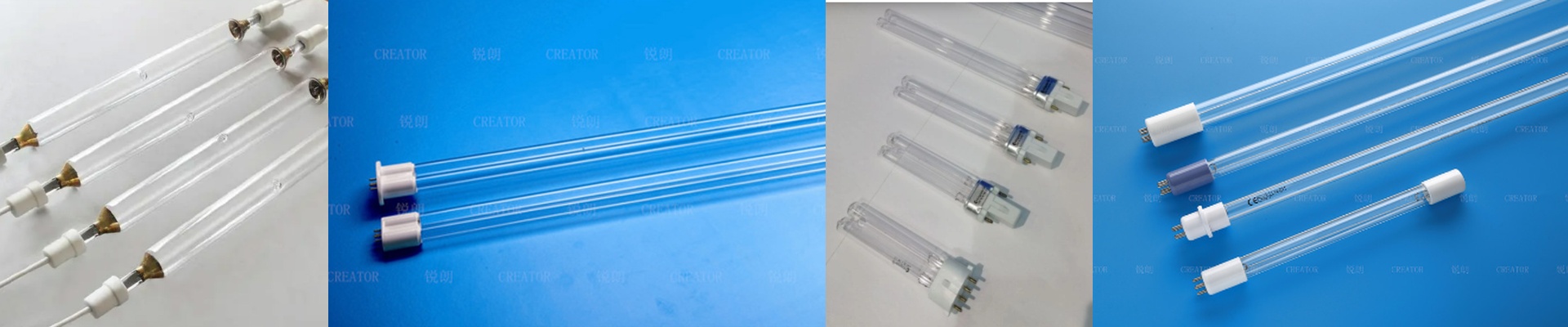
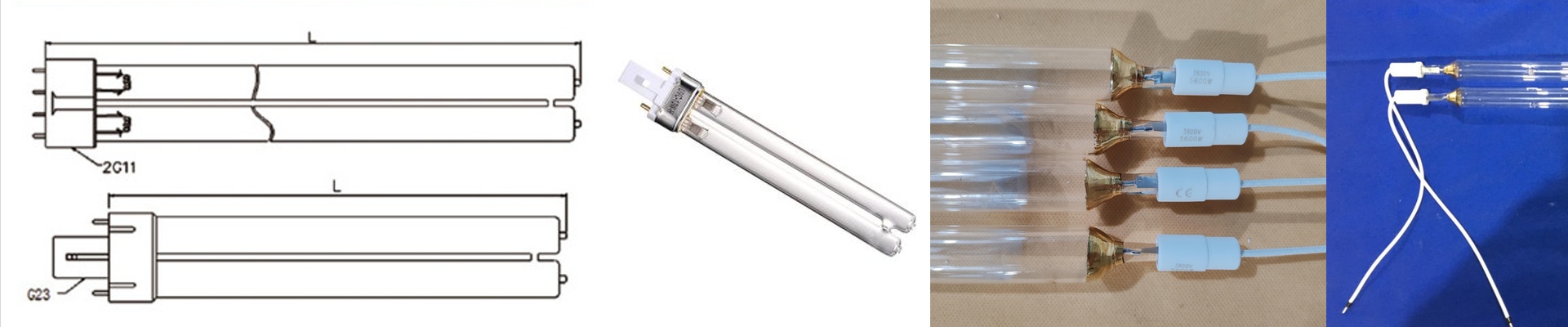

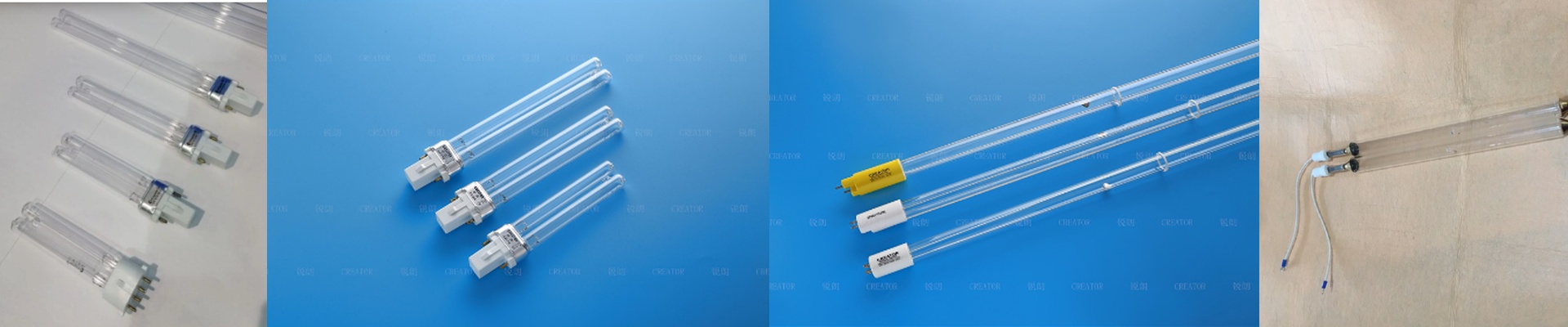
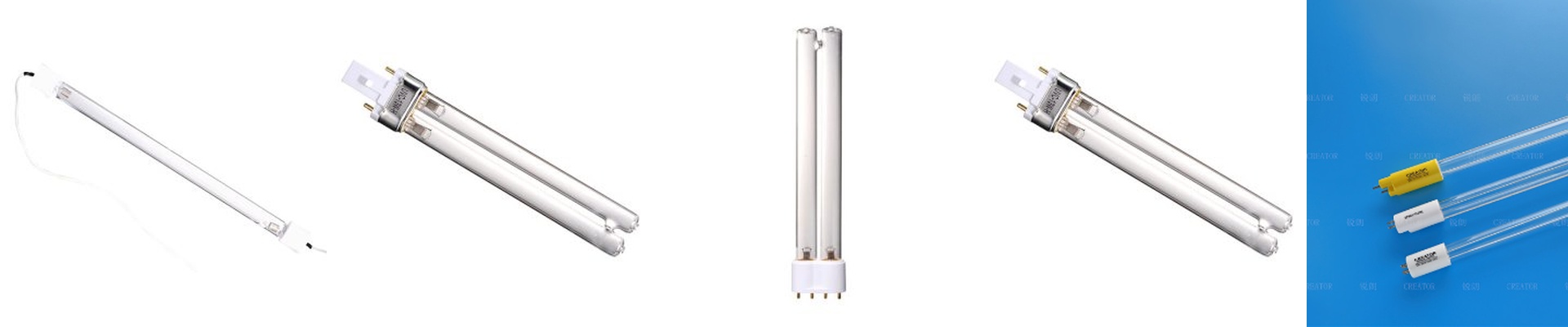
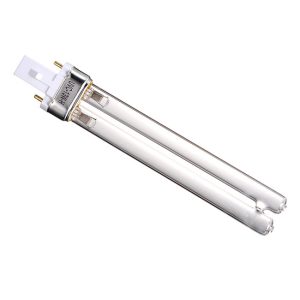
Tacky prints don’t always point to bad ink. On offset, flexo, screen, and rotogravure lines, the usual culprit is a high-pressure mercury lamp that’s hit optical decay. As the mercury vapor spectrum shifts and the quartz sleeve ages, peak irradiance falls off, and the 365 nm output that drives photoinitiator cross-linking gets weaker. You end up measuring lower mJ/cm² at the substrate. The result is incomplete cure, blocking, and scrap. What matters, technically When you replace mercury, you’re matching spectral output to the ink’s photoinitiator window. For standard cationic and free-radical systems, keep strong 365 nm output and stable peak irradiance. If you need an LED-like cure front, 385 nm and 405 nm give you softer penetration and less heat. Spec lamps with dichroic reflectors that shape the beam and keep energy on the web. And confirm curing energy density at line speed, not just lamp power. Look for stable output for 5,000+ hours with less than 5% drop, and an ozone-free design to keep the shop air cleaner. Why it plays on press On Heidelberg, KBA, Gallus, and SPS screen presses, the swap is straightforward when lamp length, arc gap, connector, and cooling match the machine footprint. You get repeatable cure across the sheet, fewer stops for blocking, and lower energy draw per cured meter. Surface finish stays consistent, and job changeovers move faster—without chasing ink formulation. The practical details Match the lamp to the press: offset needs uniform, high-intensity cure; flexo needs deep through-cure; screen needs broad, even exposure. Double-check reflector geometry and the dichroic coating for your setup and speed. On some older mercury fixtures, expect a re-wire or ballast change. Always validate cure with a radiometer, and run a pilot job to set the energy density window.
الطباعة اللاصقة لا تشير دائماً إلى سوء نوع الحبر. في خطوط الطباعة الأوفست، الفليكسو، الشاشة، والروتوجراف، السبب الشائع هو مصباح زئبقي عالي الضغط تعرض للتحلل البصري. مع تغير طيف بخار الزئبق وشيخوخة الغلاف الكوارتزي، يقل شدة الإشعاع القصوى، ويضعف الإخراج عند 365 نانومتر المسؤول عن تفعيل روابط الفوتوإنشياتور. ينتج عن ذلك قياس طاقة أقل (mJ/cm²) على الركيزة. والنتيجة تكون التصلب غير الكامل، التصاق الطبقات، وهدر المواد.
ما يهم تقنياً
عند استبدال الزئبق، يتم مطابقة الطيف الضوئي مع نافذة الفوتوإنشياتور للحبر. للأنظمة الكاتيونية والحرّة القياسية، يجب الحفاظ على إخراج قوي عند 365 نانومتر وشدة إشعاع قصوى مستقرة. إذا كنت تحتاج إلى جبهة تصلب تشبه LED، توفر 385 نانومتر و405 نانومتر اختراقاً أضعف وحرارة أقل.
مصابيح المواصفات مزودة بعاكسات ديتكروية تشكل الشعاع وتحافظ على الطاقة على الويب. ويجب تأكيد كثافة طاقة التصلب عند سرعة الخط، وليس فقط عند قدرة المصباح. ابحث عن إخراج مستقر لأكثر من 5000 ساعة مع انخفاض أقل من 5%، وتصميم خالٍ من الأوزون للحفاظ على نقاء هواء الورشة.
لماذا يؤثر ذلك على الماكينة
في ماكينات Heidelberg وKBA وGallus وSPS للطباعة بالشاشة، يكون الاستبدال بسيطاً عند تطابق طول المصباح، فجوة القوس، الموصل، والتبريد مع مساحة الماكينة. تحصل على تصلب متكرر عبر الورقة، توقفات أقل بسبب التصاق الطبقات، واستهلاك طاقة أقل لكل متر متصلب. يظل التشطيب السطحي ثابتاً، وتتحسن سرعة تغيير الوظائف بدون الحاجة لمتابعة تعديل تركيبة الحبر.
التفاصيل العملية
طابق المصباح مع الماكينة: الأوفست يحتاج إلى تصلب موحد وعالي الشدة؛ الفليكسو يحتاج إلى تصلب عميق متكامل؛ الشاشة تحتاج إلى تعريض واسع ومتساوٍ. تحقق جيداً من هندسة العاكس وطبقة الديتكرويك لتتناسب مع إعدادك وسرعتك.
في بعض التركيبات الزئبقية القديمة، توقع الحاجة لإعادة توصيل أو تغيير البالاست. دائماً تحقق من التصلب باستخدام مقياس إشعاع، وقم بتشغيل وظيفة تجريبية لضبط نطاق كثافة الطاقة.