Why the CE Mark Actually Matters for Your UV Lamps
Let’s be honest. Most people see CE certification as a boring piece of paperwork—just another hoop to jump through to get a product on the shelf. But in the world of industrial automation, it’s a different story. When it comes to UV curing lamps, that little mark is basically your insurance policy. It’s the difference between a smooth rollout and a nightmare scenario where your gear gets stuck at customs or, even worse, starts a fire on your shop floor.
The “Noise” Problem
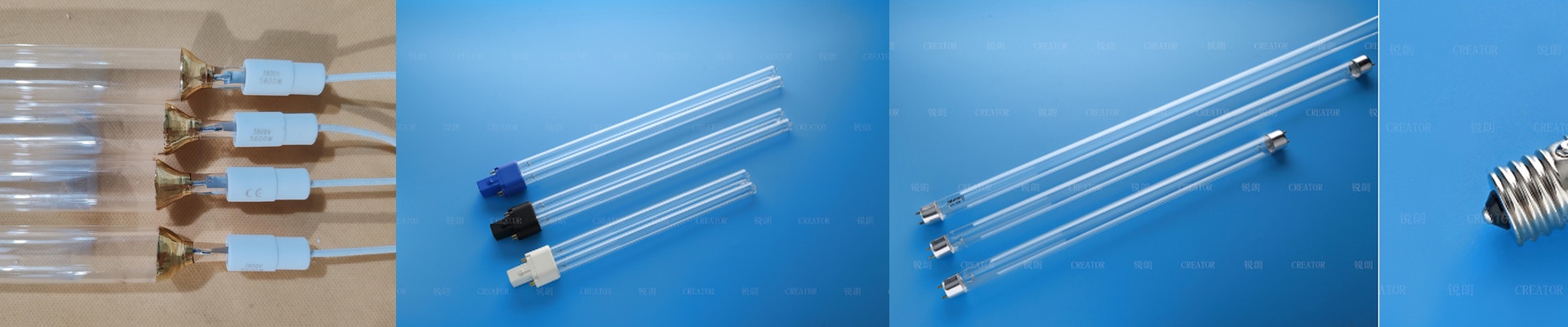
Here is the thing about UV lamps: they pull a ton of power. They also create a lot of electromagnetic interference (EMI). If you don’t have the right shielding, these lamps can act like a giant jammer. They can make your PLC controllers glitch or send your sensors haywire. It’s a headache you don’t want. That’s why we obsess over EMC tests. We pick specific capacitors and wiring so the lamp doesn’t leak “noise” back into your power grid. Plus, we build them to handle voltage spikes. A cheap, non-certified lamp might just arc under a heavy load. Ours won’t.
Heat, Glass, and Reality
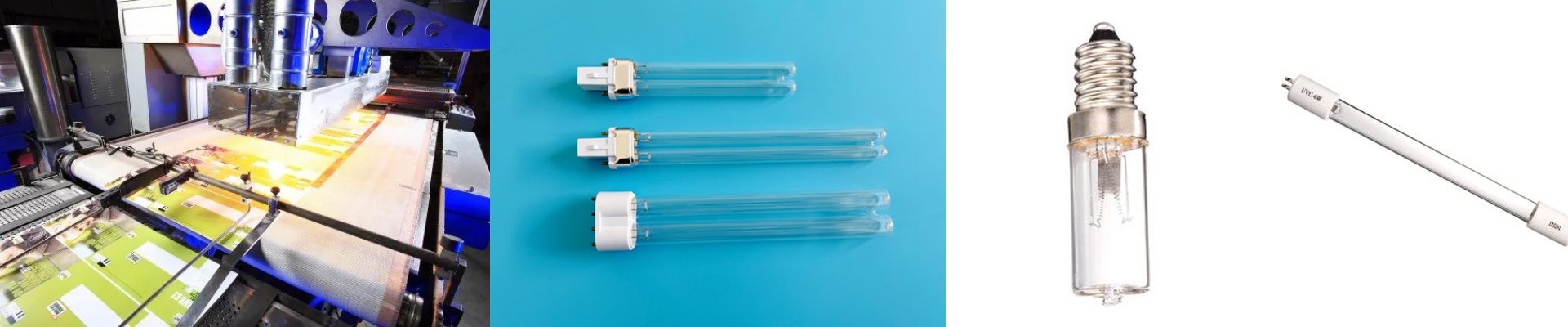
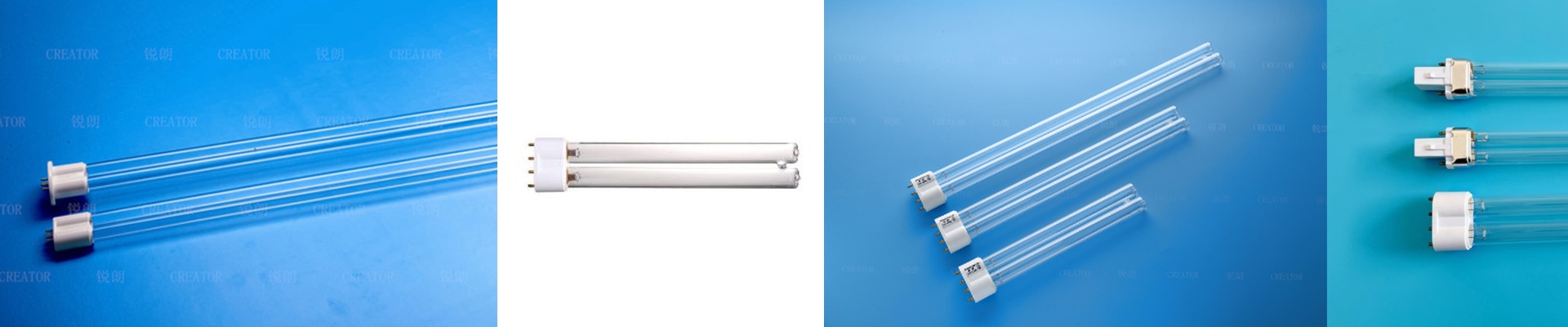
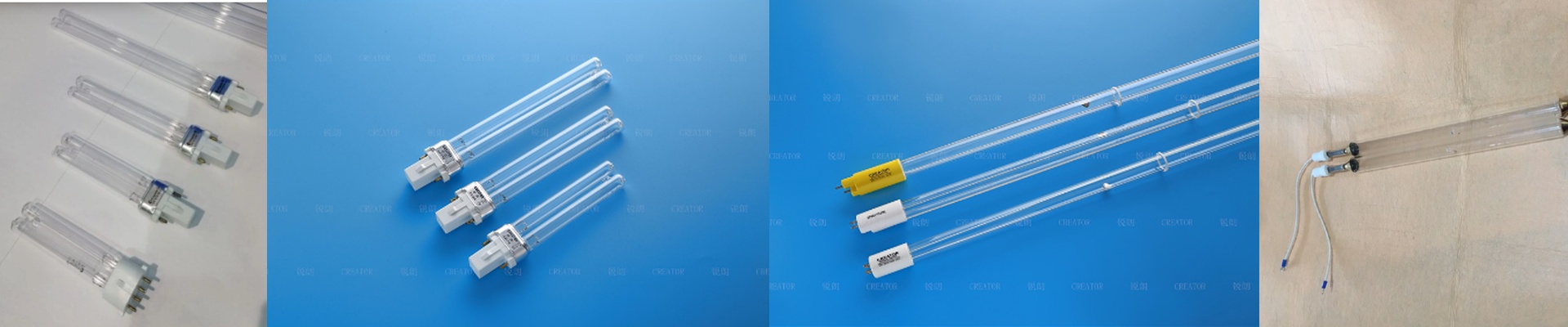
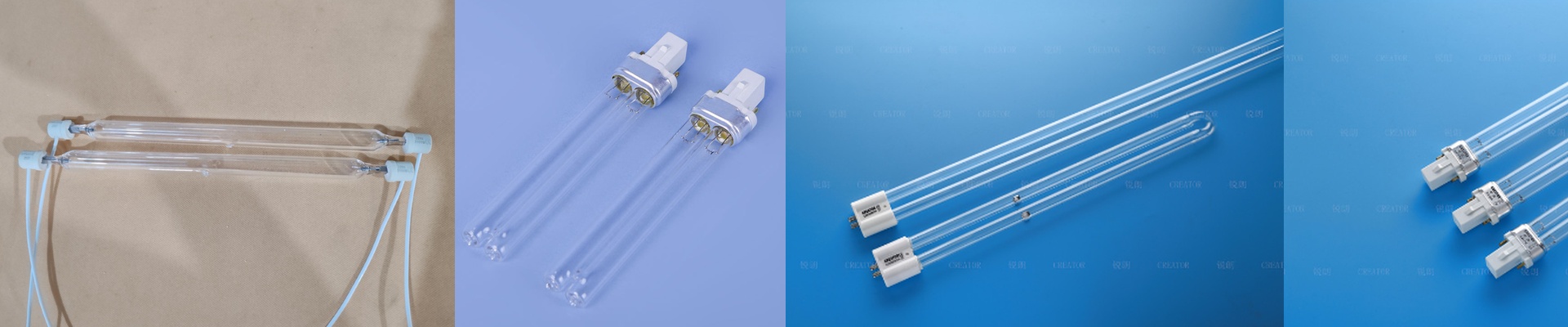
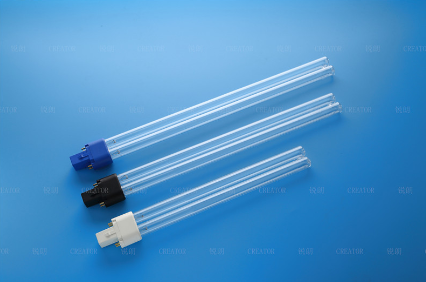
UV lamps get hot. Really hot. Because of that, we can’t just use any old materials. We use quartz glass and housings that can take the heat without warping or smelling like burning plastic. Now, there is a trade-off. To keep things safe, we have to add heat sinks or forced-air cooling. This means the lamp takes up a bit more space. You can’t just keep shrinking the box to save room—if you do, the system will either shut down to save itself or become a safety hazard.
Playing in the Big Leagues
If you’re working with high-end OEMs in Europe or North America, they aren’t going to touch “grey market” parts. They can’t afford the risk. They need to know that when they drop a lamp into their machine, it isn’t going to blow a fuse or blind an operator because the shielding was an afterthought. The CE mark is basically a passport. It tells the person installing the gear that it’s safe, it’s solid, and it’s ready to work.