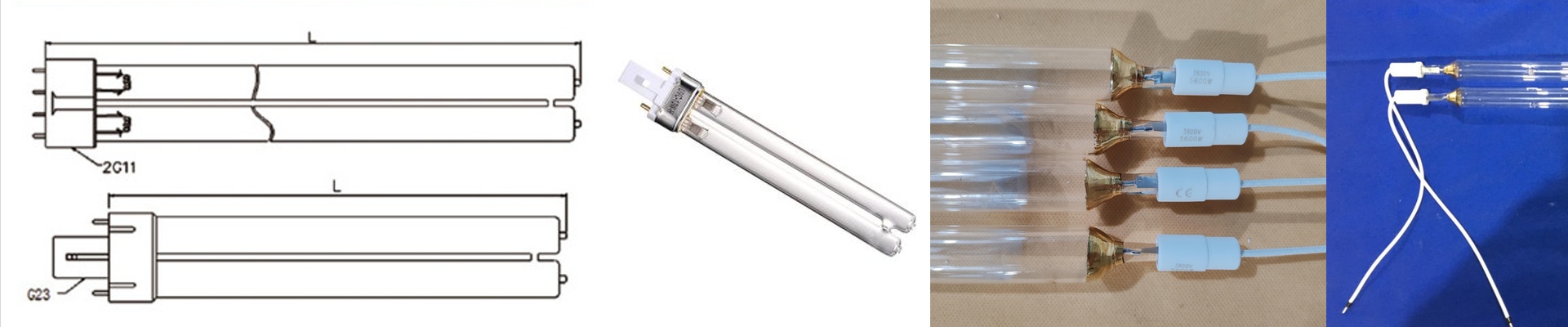
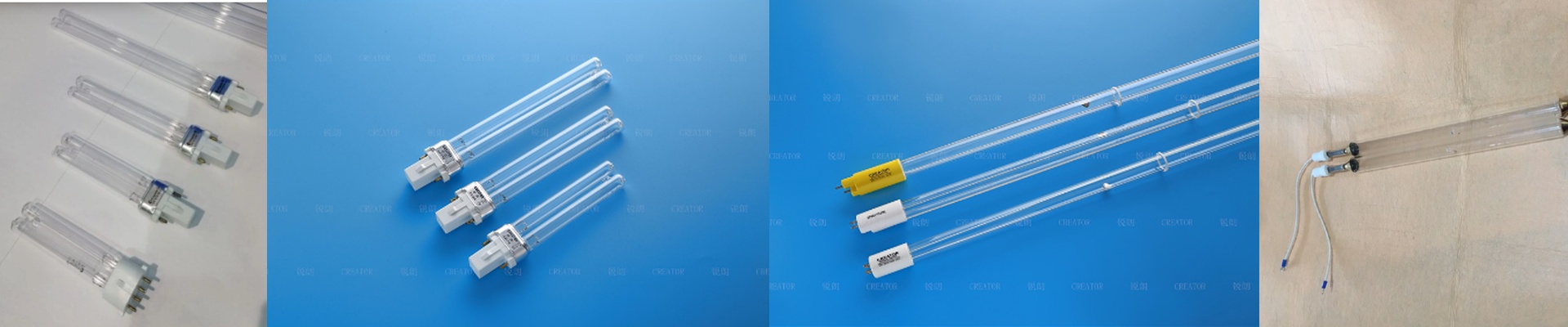

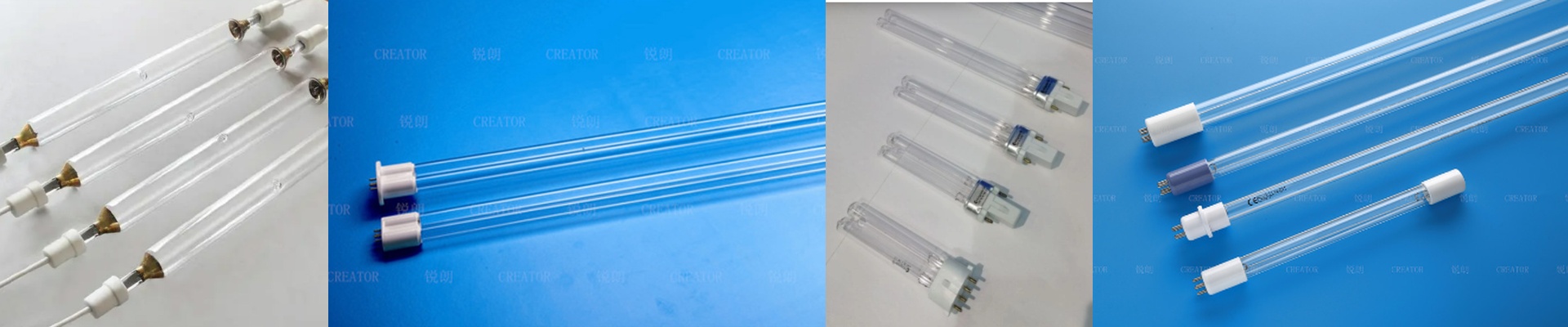
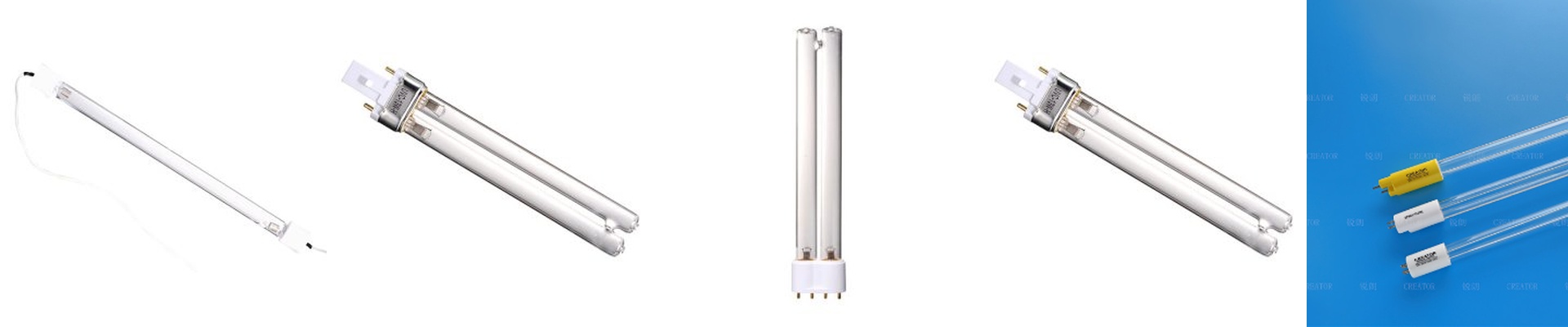
The press is running, the pile is building, and the electricity meter is spinning. In a modern shop, uptime and kilowatt-hours are the scoreboard. It’s not enough to just get the ink dry anymore—you have to cure it with precision, at speed, and with a hard eye on the bottom line.
How do you keep full curing performance while shaving energy spend by around 20%? It comes down to the physics of the lamp, the chemistry of the ink, and the way the whole system is put together.
The physics that matter on a UVC curing line
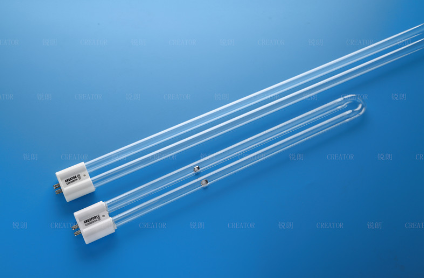
This isn’t a lab toy—it’s a UVC unit built for industrial duty. Its job is simple: deliver high-intensity ultraviolet energy to cross-link UV-curable inks and coatings instantly, and do it with an energy profile that makes sense in a plant power budget.
The heart is a full-spectrum, high-pressure mercury vapor lamp, tuned to put most of its punch at 365 nm for deep penetration, and to carry solid energy at 385 nm and 405 nm to finish the cure at the surface and at the interface. That spectral balance matters because it lights up photoinitiators throughout the ink film, not just the ones at the top. The payoff is a cure through the full layer, not a skin-deep pass that can leave you with adhesion issues or blocking.
When we talk performance, we talk numbers you can measure:
- Peak irradiance at the substrate plane: ≥ 12 W/cm², checked with a calibrated spectral radiometer.
- Delivered energy density: 600–1,200 mJ/cm², adjustable by line speed and lamp power—enough to fully cross-link standard UV offset and flexo inks.
- Reflector efficiency: 92% specular reflectivity from high-purity anodized aluminum, with a dichroic coating for heat management and spectral control.
- Lamp life: 2,000 hours to end-of-life, with less than 5% output degradation over the first 1,000 hours, based on an accelerated aging curve.
The system runs ozone-free, using a quartz envelope with a coating that cuts off the 185 nm line. That keeps ozone out of the curing zone, lowers maintenance on the housing, and removes the need to overcomplicate ventilation to handle ozone byproducts.
Power is engineered for the plant floor. A 1.2 kW lamp array, driven by a solid-state ballast with power factor correction, delivers the output while drawing less than old iron-core ballasts. The ballast holds arc stability, so you don’t get current drift that shifts the spectrum and gives you uneven cure.
Energy savings—without cutting into performance
Picture a shop running UV offset or UV flexo. You need instant cure to keep press speed up, deep penetration to prevent under-cure in heavy coverage, and full cross-linking so the stack can be handled right away without offsetting. You also have a utility bill that keeps climbing, and a target to bring it down.
This UVC unit is built for that exact compromise. The lamp hits full intensity within seconds, so there’s no warm-up downtime. The press runs at rated speed from the first sheet, with no slow ramp while the lamp comes up to temperature. The curing window is immediate—no latent heat, no waiting. The ink cures as the substrate passes, and the job keeps moving.
The energy reduction comes from three practical places:
- Efficient ballast and lamp coupling: The solid-state ballast pulls only what’s needed to hold the arc, and power factor correction keeps reactive power low. Compared to magnetic ballasts, the savings show up immediately.
- Reflector design: The dichroic reflector sends photons back to the substrate instead of losing them as heat. Less wasted energy means more of what you draw becomes usable UV.
- Smart duty cycle and line integration: Paired with a line controller, the lamp can run at reduced power in standby and snap to full power when the job starts, so idle waste drops.
What does that look like on the floor? Same press speed. Same cure quality. Lower energy draw. Over an 8-hour shift, you see a real drop in kWh. In practice, we’ve seen 18–22% reductions, depending on what was there before, the ink coverage profile, and line speed.
Cure stays consistent across substrates—paper, PET, BOPP, foil—because the spectral output matches the photoinitiators in modern UV inks. The 365 nm peak drives deep cross-linking, and the 385–405 nm energy finishes the cure at the interface and surface. That avoids the two-stage headache you get from lamps that over-index on short wave and starve the mid wave, and it prevents the under-cured core that shows up as blocking or poor adhesion.
The housing is built for the plant. It runs cool enough to keep thin films from warping, and the ozone-free design keeps the air around the curing zone breathable without extra extraction. Maintenance is straightforward: swap a single lamp module, no special tools, and a reflector that cleans in minutes.
The realities: installation, compatibility, and what to watch
This is industrial equipment, so plan for the constraints.
- Power and cooling: The 1.2 kW array needs a dedicated 240 V circuit with proper fusing. Air cooling is mandatory—plan for 150–200 m³/h of clean, dry airflow across the housing. The system handles ambient up to 35°C, but sustained higher ambient will cut reflector efficiency and shorten lamp life.
- Substrate and ink chemistry: The spectral output is optimized for standard UV inks. If you run specialty inks with photoinitiators tuned to different wavelengths, you may need to adjust line speed or lamp power. Always confirm cure with a radiometer at the substrate surface—don’t trust your eyes.
- Reflector maintenance: Dust and ink mist will drag reflector performance down. Inspect and clean the reflector every 500 hours, or more often in heavy-coverage environments. A 5% drop in reflectivity translates to a measurable loss in delivered energy density.
- Line integration: The lamp integrates with most presses through a standard interface. The envelope is compact, but verify clearances at your curing station. It’s air-cooled only—won’t work on systems that require water cooling.
- Lamp life and replacement: Replace the lamp at 2,000 hours, or when output falls below what your line speed and ink need. Don’t wait for a visible failure—measure output and schedule replacement around production.
The trade-off is straightforward: to get high peak irradiance and deep spectral penetration in an air-cooled package, you need adequate airflow and a dedicated power circuit. Plan for it, and you get steady curing, fewer stops, and a lower energy bill. Skip it, and you’ll see power spikes, thermal issues, and uneven cure when the line is running fast.
On the plant floor, the numbers do the talking. Cut energy spend by up to 20%. Keep the press at rated speed. Get complete cross-linking, not just surface cure. The UVC unit is a practical answer to the question every plant manager is facing: how do we do more with less energy, without backing off on quality?
If you want to see the difference where it counts—on the meter, on the press, and on the stack—start with the specs, match the lamp to your ink, and run the line the speed you paid for. The savings aren’t theoretical. They show up in kilowatt-hours, in stacks that leave the line ready for the next operation, and in downtime that simply doesn’t happen.
Prasa pracuje, stos rośnie, a licznik elektryczny kręci się. W nowoczesnym zakładzie liczy się czas pracy i kilowatogodziny. Nie wystarczy już tylko wysuszyć farbę — trzeba ją utwardzić precyzyjnie, szybko i z uwzględnieniem kosztów energii.
Jak utrzymać pełną wydajność utwardzania, jednocześnie redukując zużycie energii o około 20%? Kluczowe są fizyka lampy, chemia farby oraz sposób złożenia całego systemu.
Fizyczne aspekty istotne na linii utwardzania UVC
To nie jest zabawka laboratoryjna — to jednostka UVC zaprojektowana do pracy przemysłowej. Jej zadanie jest proste: dostarczyć wysokointensywną energię ultrafioletową do natychmiastowego sieciowania farb i powłok utwardzanych UV, przy jednoczesnym zachowaniu profilu energetycznego zgodnego z budżetem energetycznym zakładu.
Serce systemu stanowi lampa rtęciowa wysokociśnieniowa o pełnym spektrum, dostrojona tak, aby większość energii przypadała na 365 nm, zapewniając głębokie przenikanie, oraz aby dostarczać stałą energię przy 385 nm i 405 nm dla wykończenia utwardzania na powierzchni i na styku warstw. Ta równowaga spektralna jest ważna, ponieważ aktywuje fotoinicjatory w całej warstwie farby, nie tylko na powierzchni. Efektem jest utwardzenie całej warstwy, a nie tylko powierzchniowe, co eliminuje problemy z przyczepnością lub blokowaniem.
Mówiąc o wydajności, mamy na myśli mierzalne wartości:
- Maksymalna irradiancja na płaszczyźnie podłoża: ≥ 12 W/cm², sprawdzana kalibrowanym radiometrem spektralnym.
- Dostarczona gęstość energii: 600–1,200 mJ/cm², regulowana przez prędkość linii i moc lampy — wystarczająca do pełnego sieciowania standardowych farb UV offsetowych i fleksograficznych.
- Sprawność reflektora: 92% refleksyjności lustrzanej z anodowanego aluminium wysokiej czystości, pokrytego powłoką dikroiczną dla kontroli ciepła i spektrum.
- Żywotność lampy: 2,000 godzin do końca życia, z degradacją mocy poniżej 5% w pierwszych 1,000 godzinach, oparta na przyspieszonym krzywym starzenia.
System pracuje bez generowania ozonu, wykorzystując kwarcową bańkę z powłoką blokującą linię 185 nm. Zapobiega to powstawaniu ozonu w strefie utwardzania, redukuje konieczność konserwacji obudowy i eliminuje potrzebę skomplikowanej wentylacji do usuwania produktów ubocznych ozonu.
Zasilanie jest dostosowane do warunków produkcyjnych. Zespół lamp 1.2 kW, zasilany statecznikiem półprzewodnikowym z korekcją współczynnika mocy, zapewnia moc przy mniejszym poborze niż tradycyjne stateczniki z rdzeniem żelaznym. Statecznik utrzymuje stabilność łuku, co zapobiega dryftowi prądu, przesunięciom spektrum i nierównomiernemu utwardzaniu.
Oszczędność energii bez utraty wydajności
Wyobraź sobie zakład drukujący UV offsetem lub UV fleksografię. Potrzebujesz natychmiastowego utwardzenia, by utrzymać prędkość prasy, głębokiego przenikania, by zapobiec niedoutwardzeniu przy dużym kryciu, oraz pełnego sieciowania, aby stos mógł być od razu obsłużony bez przesuwania farby. Jednocześnie masz rosnący rachunek za energię i cel jego obniżenia.
Ta jednostka UVC jest skonstruowana z myślą o takim kompromisie. Lampa osiąga pełną intensywność w ciągu kilku sekund, więc nie ma czasu rozgrzewania. Prasa pracuje z prędkością nominalną od pierwszej sztuki, bez stopniowego wzrostu mocy lampy. Okno utwardzania jest natychmiastowe — bez ciepła utajonego i oczekiwania. Farba utwardza się w trakcie przesuwania podłoża, a produkcja nie jest przerywana.
Redukcja zużycia energii pochodzi z trzech praktycznych źródeł:
- Efektywne sprzężenie statecznika i lampy: Statecznik półprzewodnikowy pobiera tylko tyle prądu, ile potrzeba do utrzymania łuku, a korekcja współczynnika mocy minimalizuje moc bierną. W porównaniu do stateczników magnetycznych oszczędności są widoczne od razu.
- Konstrukcja reflektora: Reflektor dikroiczny odbija fotony z powrotem do podłoża zamiast tracić je w postaci ciepła. Mniej energii marnowanej oznacza więcej użytecznego UV.
- Inteligentny cykl pracy i integracja z linią: W połączeniu z kontrolerem linii lampa może pracować w trybie gotowości z obniżoną mocą i natychmiast przełączać się na pełną moc na start zadania, co zmniejsza straty energii podczas bezczynności.
Jak to wygląda na hali? Ta sama prędkość prasy. Ta sama jakość utwardzania. Niższe zużycie energii. W ciągu 8-godzinnej zmiany widać realny spadek kWh. W praktyce obserwowano redukcję 18–22%, zależnie od wcześniejszego systemu, profilu krycia farby i prędkości linii.
Utwardzanie pozostaje stabilne na różnych podłożach — papier, PET, BOPP, folia — ponieważ spektrum odpowiada fotoinicjatorom we współczesnych farbach UV. Szczyt przy 365 nm zapewnia głębokie sieciowanie, a energia 385–405 nm kończy proces utwardzania na styku i powierzchni. Unika się w ten sposób problemów związanych z dwustopniowym utwardzaniem, gdy lampy zbyt mocno skupiają się na krótkich falach kosztem średnich, oraz niedoutwardzenia rdzenia objawiającego się blokowaniem lub słabą przyczepnością.
Obudowa jest dostosowana do warunków przemysłowych. Pracuje na tyle chłodno, by zapobiegać odkształceniom cienkich folii, a brak generowania ozonu sprawia, że powietrze w strefie utwardzania pozostaje bezpieczne bez dodatkowej wentylacji. Konserwacja jest prosta: wymiana pojedynczego modułu lampy bez specjalnych narzędzi oraz szybkie czyszczenie reflektora.
Realia: instalacja, kompatybilność i na co zwracać uwagę
To sprzęt przemysłowy, więc uwzględnij ograniczenia:
- Zasilanie i chłodzenie: Zespół lamp 1.2 kW wymaga dedykowanego obwodu 240 V z odpowiednim zabezpieczeniem. Chłodzenie powietrzem jest obowiązkowe — zaplanuj przepływ 150–200 m³/h czystego, suchego powietrza przez obudowę. System działa do 35°C temperatury otoczenia, ale długotrwałe przekroczenia obniżą sprawność reflektora i skrócą żywotność lampy.
- Podłoże i chemia farby: Spektrum jest zoptymalizowane pod kątem standardowych farb UV. Przy farbach specjalistycznych z fotoinicjatorami dostrojonymi do innych długości fal konieczne mogą być korekty prędkości linii lub mocy lampy. Zawsze potwierdzaj utwardzenie radiometrem na powierzchni podłoża — nie polegaj na wzroku.
- Konserwacja reflektora: Kurz i mgła farby obniżają skuteczność reflektora. Kontroluj i czyść reflektor co 500 godzin, częściej w środowiskach z dużym kryciem. Spadek refleksyjności o 5% przekłada się na mierzalną utratę dostarczonej energii.
- Integracja z linią: Lampa współpracuje z większością pras przez standardowy interfejs. Obudowa jest kompaktowa, ale sprawdź wolne przestrzenie w strefie utwardzania. Chłodzenie jest wyłącznie powietrzne — nie nadaje się do systemów z chłodzeniem wodnym.
- Żywotność i wymiana lampy: Wymieniaj lampę po 2,000 godzinach lub gdy moc spadnie poniżej wymagań linii i farby. Nie czekaj na awarię widoczną gołym okiem — mierz moc i planuj wymianę zgodnie z harmonogramem produkcji.
Kompromis jest jasny: aby uzyskać wysoką szczytową irradiancję i głębokie przenikanie spektralne w obudowie chłodzonej powietrzem, potrzebne są odpowiedni przepływ powietrza i dedykowany obwód zasilający. Zaplanuj to, a uzyskasz stabilne utwardzanie, mniej przestojów i niższe rachunki za energię. Zaniedbaj to, a pojawią się skoki mocy, problemy termiczne i nierównomierne utwardzanie przy dużych prędkościach linii.
Na hali to liczby mówią same za siebie. Obniż zużycie energii nawet do 20%. Utrzymaj prędkość prasy. Uzyskaj pełne sieciowanie, nie tylko utwardzanie powierzchniowe. Jednostka UVC to praktyczne rozwiązanie pytania, które stawia każdy kierownik zakładu: jak zrobić więcej przy mniejszym zużyciu energii, nie obniżając jakości?
Jeśli chcesz zobaczyć różnicę tam, gdzie się liczy — na liczniku, na prasie i w stosie — zacznij od specyfikacji, dopasuj lampę do farby i pracuj z prędkością, za którą zapłaciłeś. Oszczędności nie są teoretyczne. Widać je w kilow