
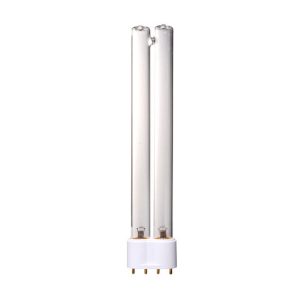
Philips UV Germicidal Lamp: When Your Ink Won’t Cure, Here’s the Real Culprit
Ever printed something, only to pull it out and find the surface still tacky? Your first instinct is to blame the ink. I get it. But before you go re-ordering supplies, let’s look at the real source of the problem: the lamp. If your UV lamp is starting to fade, its output simply can’t trigger the ink’s curing process. That’s why we built the Philips UV germicidal lamp. It’s the reliable workhorse you need to get to the bottom of this, keeping your production running smoothly.
A Closer Look: Power, Voltage, and the Right Fit
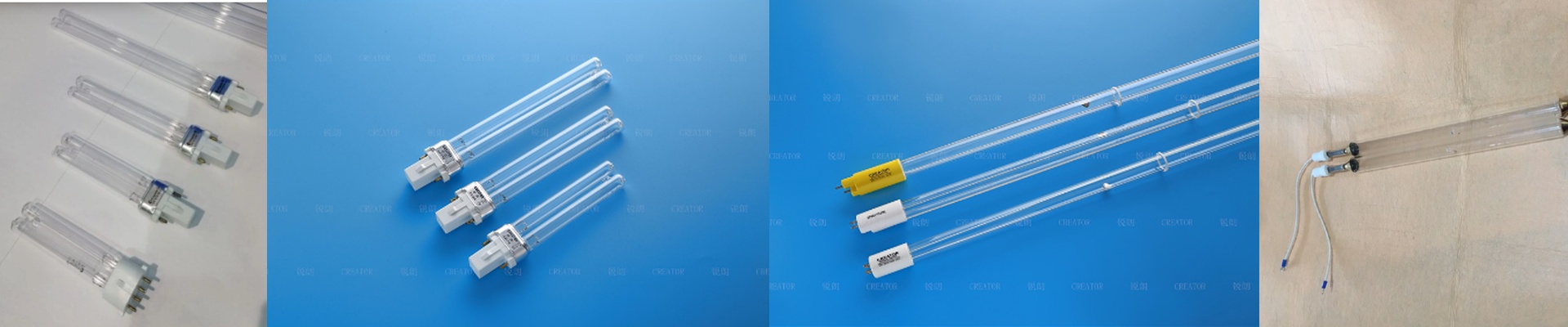
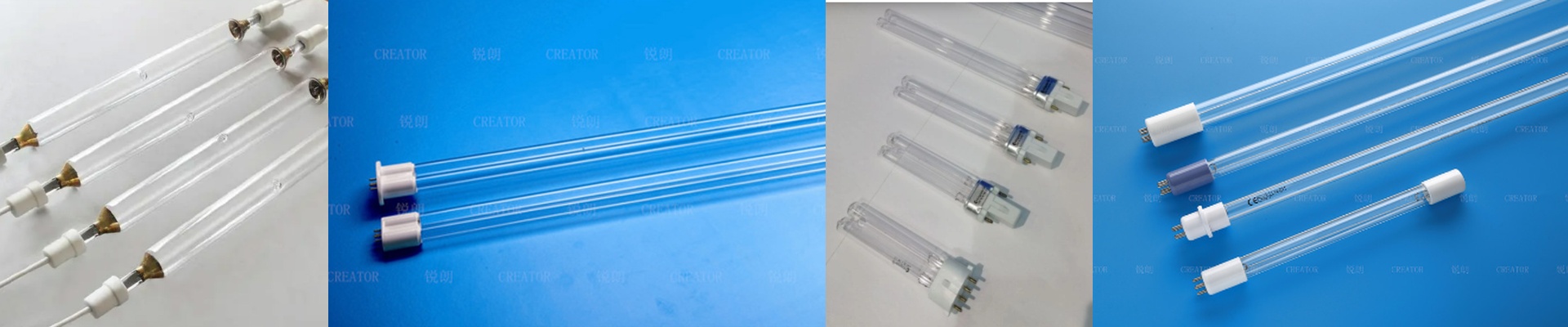
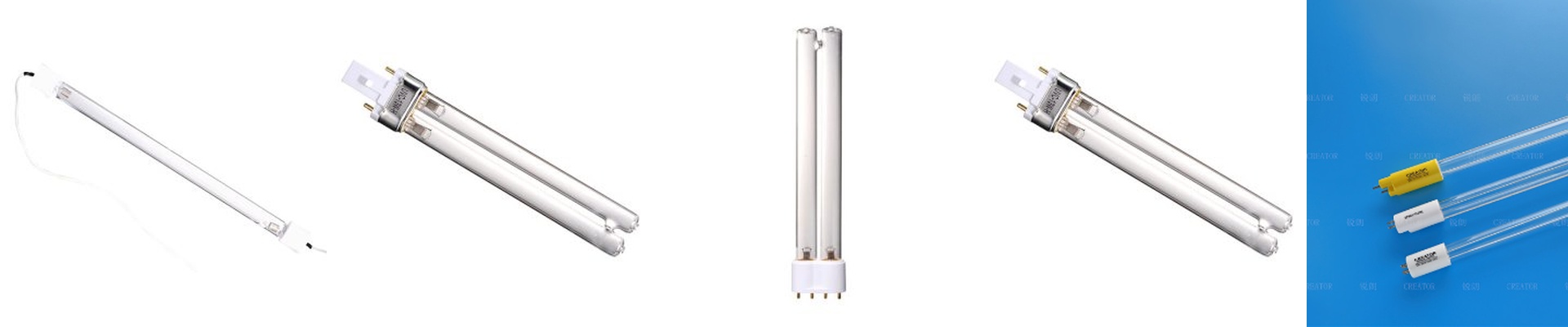
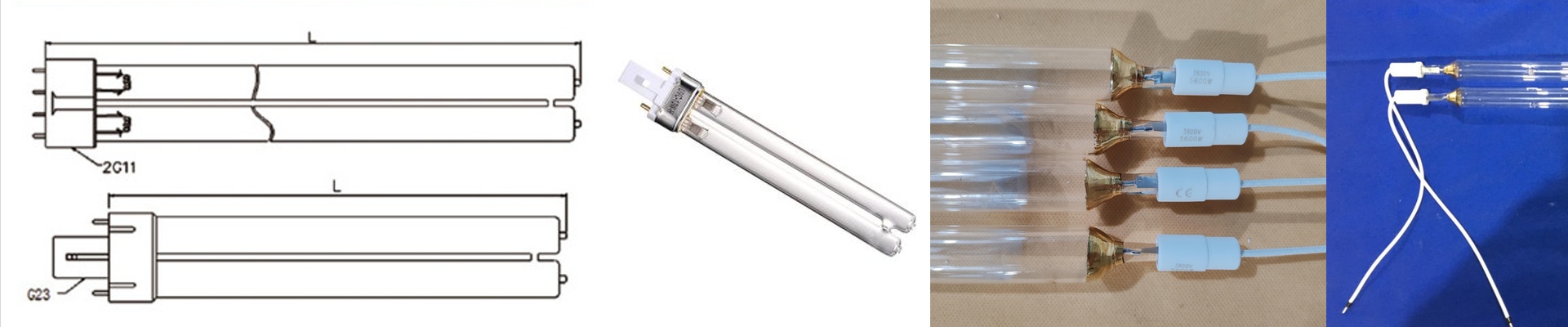
We designed this lamp to deliver the precise energy it needs for both curing and disinfection. It runs on a 400V high-voltage input, which powers the quartz arc tube efficiently. That’s what keeps the arc temperature stable and the output consistent. At 300mm long and 10mm in diameter, it’s got a focused footprint. It slips right into standard industrial fixtures, so you don’t have to redesign your whole machine just to make it fit. And with a 2500W rating, you’re getting serious intensity. Just keep in mind—that power generates a lot of heat. Make sure your machine’s cooling system is ready to handle it.
The Inside Story: Quartz, Coating, and a Flawless Connection
The heart of the lamp is a high-purity quartz envelope. This stuff can handle the extreme temperature swings of rapid on-and-off cycling, and it transmits the full UV spectrum like a champ. We also added a special coating to fine-tune the wavelength. It’s all about hitting the photoinitiators in your ink, or taking out microbes right at the DNA level. And the connector? It’s the industry-standard R7s bi-pin. It gives you a secure, low-resistance connection, so you can just wire it in and know it’s going to work. No more worrying about faulty contacts.
How It Actually Helps You: From Sticky Prints to Quick Fixes
In the print shop, this lamp tackles the “sticky surface” problem head-on. It gives you the steady, reliable UV dose needed to fully cure your inks, so that tackiness from low energy is a thing of the past. For the maintenance team, it’s a lifesaver. When the lamp’s output naturally fades over time, you have a clear, identifiable reason for the issue. No more second-guessing if it’s the ink. You know exactly where to look. That kind of clarity saves you time, keeps machines running, and stops you from wasting materials on the wrong fix.