
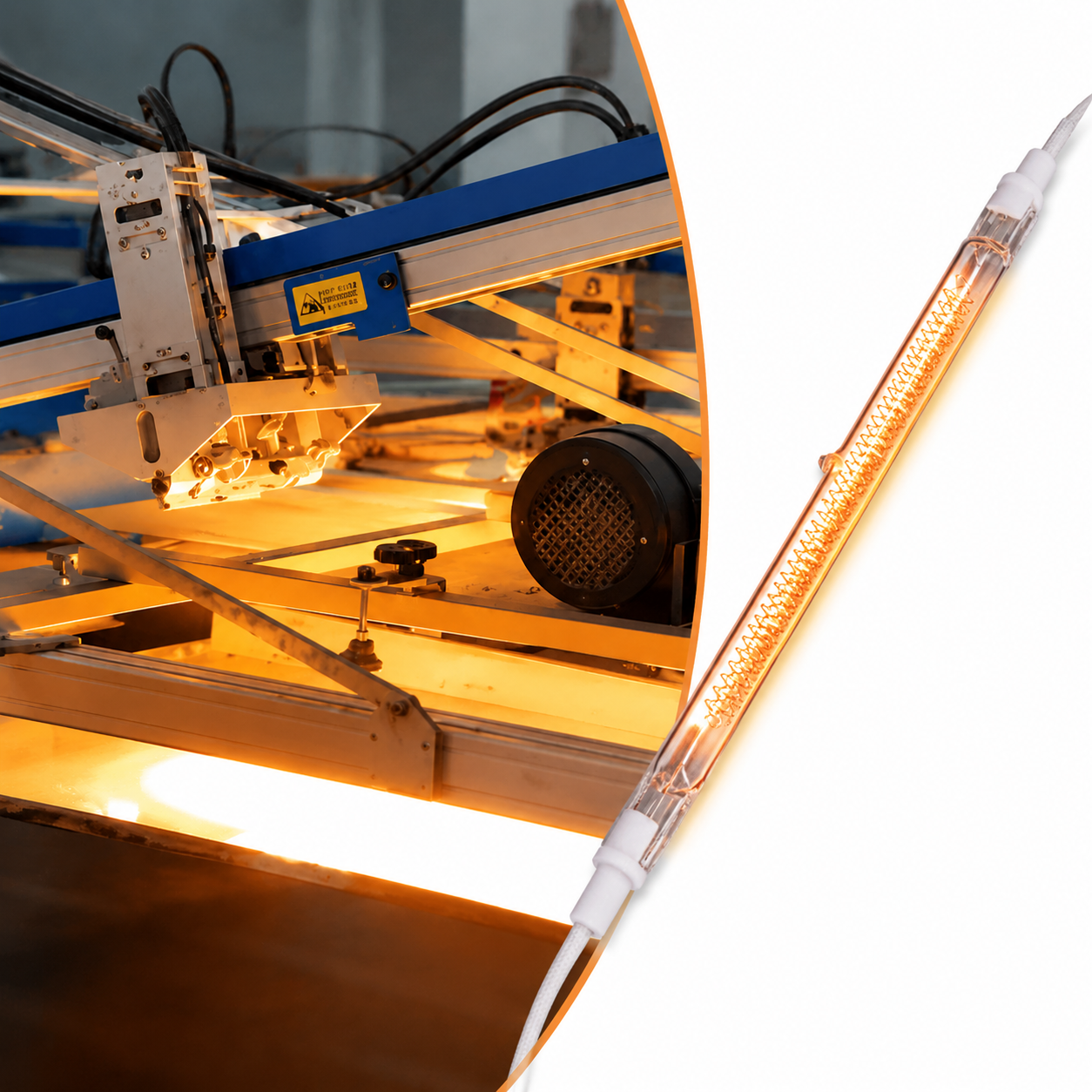
Shortwave, Mediumwave, or Twin-Tube: Which one actually works for your setup?
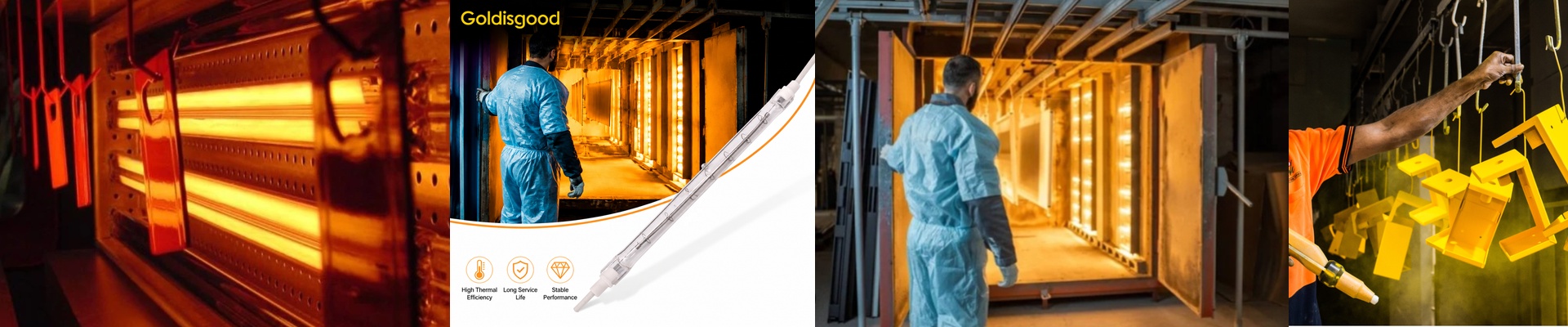
If you’ve ever pulled a part out of the oven only to find the top is scorched while the bottom is still tacky, you know the frustration. It usually comes down to one thing: how the heat is actually hitting the metal. Shortwave, mediumwave, and twin-tube lamps aren’t just different names for the same thing. They behave differently. Pick the wrong one, and you’re just fighting a losing battle with your cure times.
Let’s talk about how the heat moves
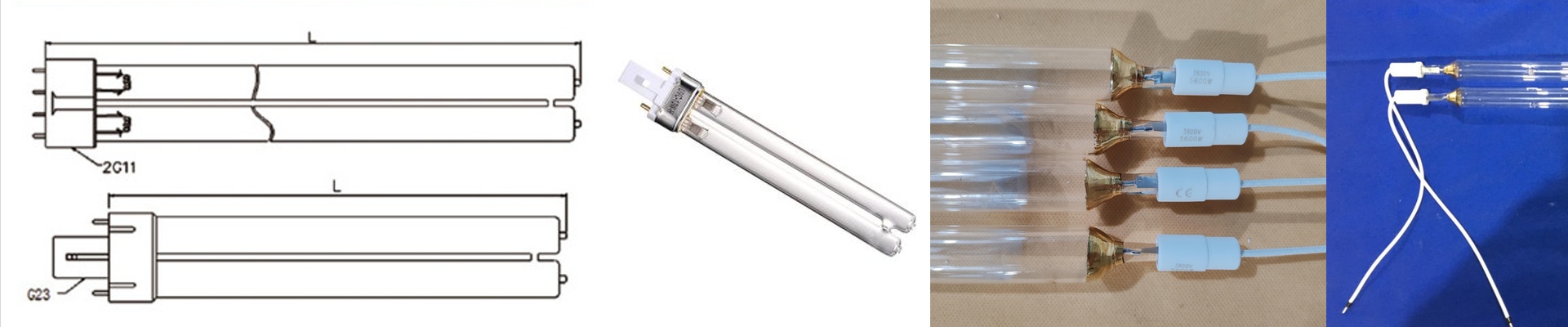
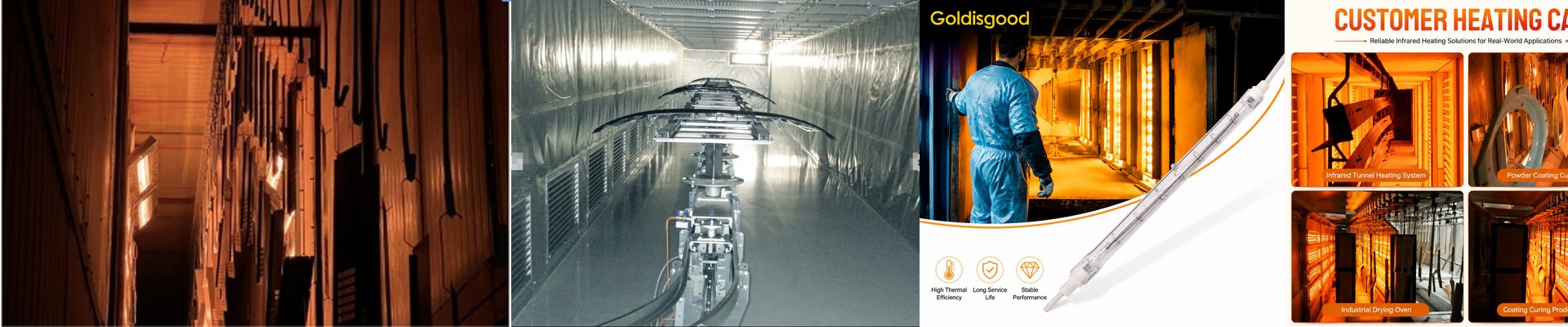
Shortwave lamps are the sprinters. They hit fast. The energy basically jumps from the lamp to the metal surface in an instant. If you’re running thin-gauge parts or a conveyor line that needs to move now, these are your best bet. They ramp up in seconds. It’s satisfyingly quick. Mediumwave is a different story. It’s more of a slow burn. Instead of just hitting the surface, the heat sinks deeper into the metal. Think about those heavy industrial castings. If you use shortwave, you’ll just “skin” the surface—the outside looks fine, but the core is still cold. Mediumwave makes sure the heart of the metal actually reaches the temperature it needs to cure properly. Then you’ve got twin-tube setups. This is really about making the most of your floor space. By pairing the tubes, you’re cramming more power into the same footprint. It’s a great way to push more energy into a part without having to build a longer, more expensive oven.
The trade-offs (because there’s always a catch)
You might think “more wattage equals better,” but it’s not that simple. A high-density shortwave array puts out massive heat, but it’ll hammer your power supply. You’ve got to make sure your wiring and breakers can handle that initial surge, or you’re going to be spending your afternoon resetting switches. Twin-tubes have their own quirks. If your reflectors aren’t aligned perfectly, you’ll get “hot spots.” You’ll see some areas curing perfectly while others are lagging behind. Plus, when a tube eventually burns out, you’re dealing with more components in a tight space, which means a bit more spent on replacements.
Which one should you actually use?
Keep it simple. Thin sheet metal?**Shortwave.**It keeps the line moving and the parts flowing. Heavy, chunky industrial parts?**Mediumwave.**It’s the only way to avoid that dreaded “cold-core” problem. Tight on space but need to hit high production numbers?**Twin-tubes.**They give you the punch you need without taking over the whole shop.