
Stop Guessing with Your UV Lamps
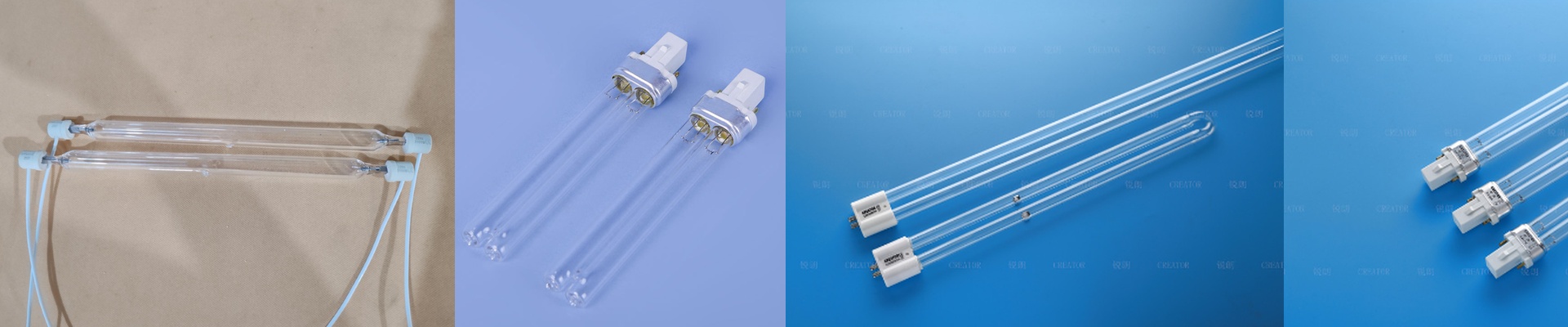
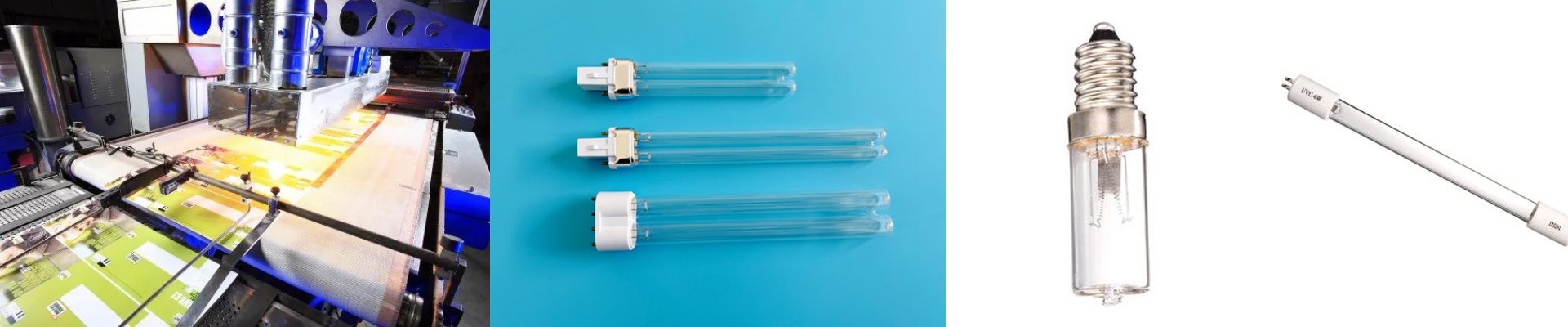
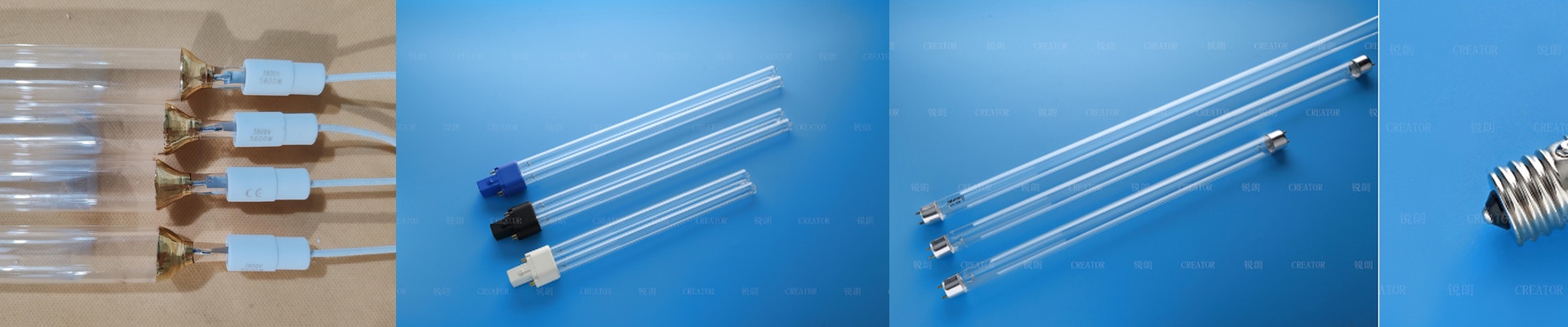
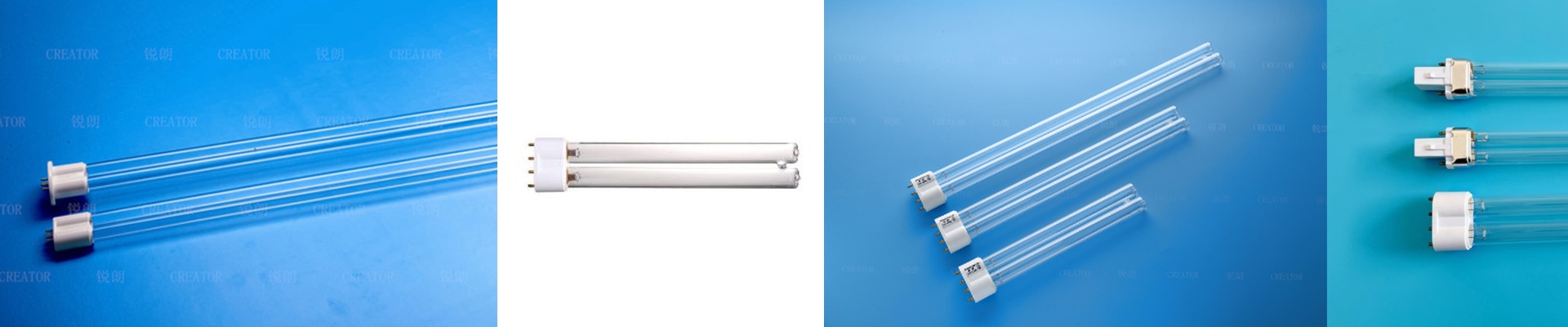
Standard mercury UV tubes are the old reliable of the shop floor. They do the heavy lifting, hitting polymers with enough radiation to set them in seconds. But let’s be honest: for most of us, they’ve always been a bit of a mystery. You flip the switch, they run, and then one day they either dim out or just die. Then you swap them. Simple, sure, but kind of blind. We’re changing that. We’ve started building remote energy monitoring right into our new long-life mercury tubes.
The problem with the “guess and check” method
Most shops still rely on timers or just glancing at the lamps to guess when they’re shot. It’s a gamble. Either you toss a lamp that still had plenty of life left—which is basically throwing money in the trash—or you push it too far. When that happens, you get uncured coatings and a pile of scrapped parts. It’s a headache nobody needs. Now, we’re adding sensors that track power draw and spectral decay in real-time. By keeping an eye on the voltage-to-current ratio, you can see exactly when a tube starts to drift. All that info hits a central dashboard. You can see exactly how your line is doing without ever having to stop the conveyor.
The heat struggle
Here’s the catch: mercury tubes get hot. Like, really hot. If you put sensors too close to the quartz, you’ll fry your electronics in minutes. To fix this, we moved the circuitry away from the heat zone using high-temp leads and remote transmitters. It works great, but you’ve got to make sure your cooling blowers are actually doing their job. If your airflow is weak, those monitoring parts can create little hot spots. Keep the air moving, and you’re golden.
Getting it on your floor
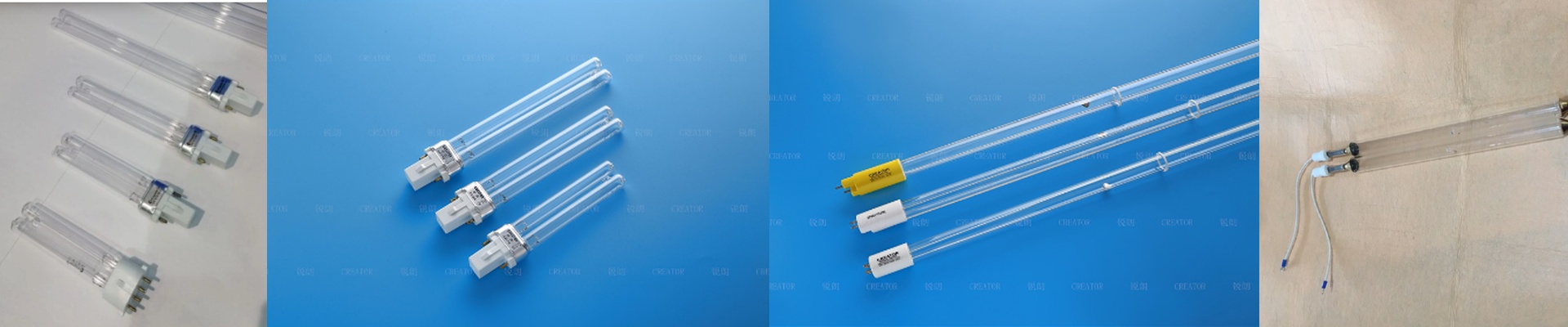
The best part? These are drop-in replacements. We kept the same footprints and pin setups, so you don’t have to spend your weekend rewiring the entire rack. You just plug them in, connect the monitoring bridge to your network, and you’re done. It turns a boring consumable cost into something you can actually manage.