
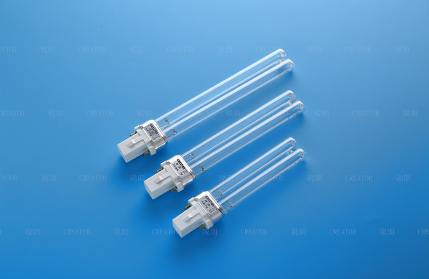
Introduction
Let’s get real. On a production line, every minute of downtime is money slipping through your fingers. We built this modular UV lamp for exactly that pressure cooker environment—plastic curing lines where a burnt-out lamp can’t mean hours of headache. The whole point? When a lamp fails, you get things running again in minutes, not hours. Our design is all about a quick-swap system that turns a maintenance nightmare into a two-minute fix.
The Nitty-Gritty
We run this lamp on a 400V supply. That gives you the stable, high-intensity output you need across the entire arc length. It’s the kind of power density that gets the job done fast, curing plastic surfaces without delay. And the size? It’s compact, designed to fit right into your existing curing zone. No need to tear apart your machine layout just to make room. At 2500W, it packs the heat density needed to fully cure coatings and inks on parts that are constantly moving. But that power comes with a heads-up: your cooling and electrical setup need to be on point. You’ll feel more ambient heat in the curing chamber, so plan for proper airflow and clearance.
What It’s Built From
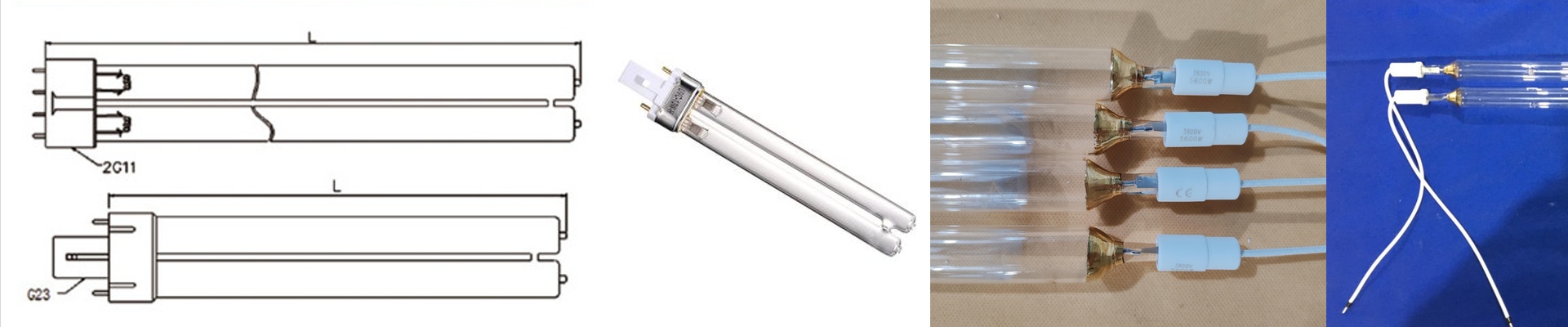
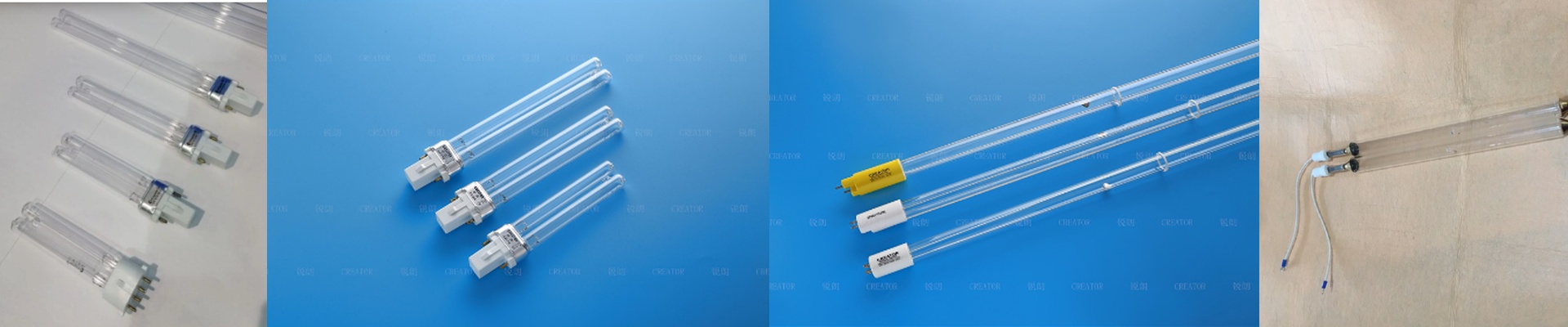
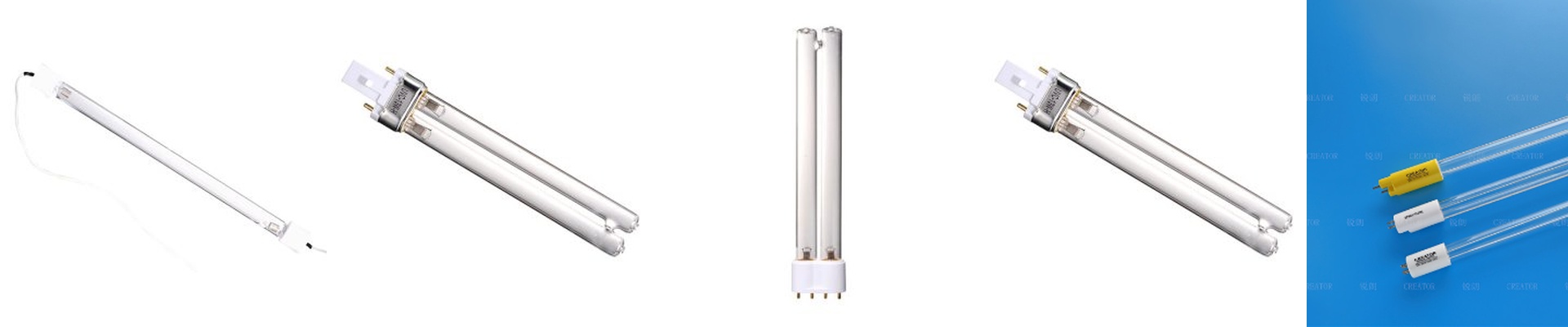
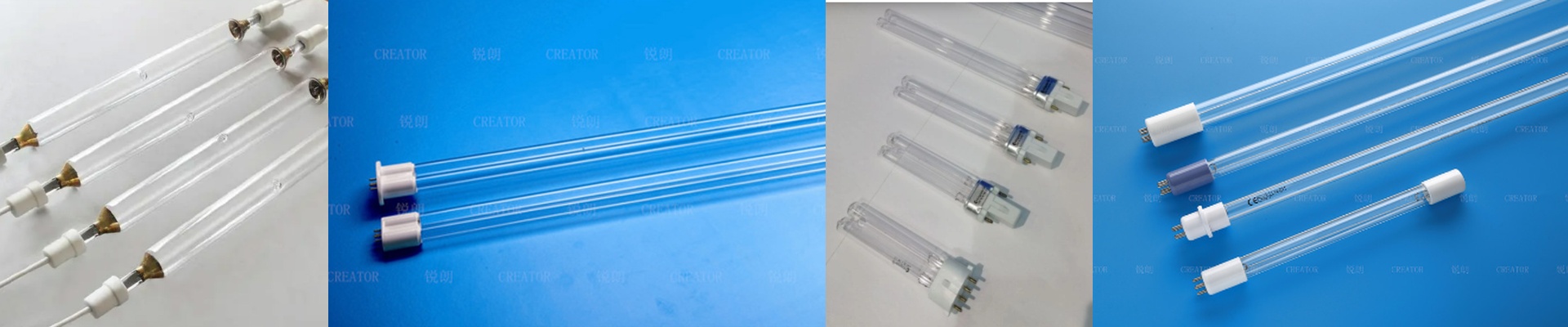
The tube itself uses a quartz envelope. Why? Because quartz is rock-solid when it comes to UV transparency and handling the heat. We add a specialized coating that keeps output consistent and shields the element from whatever’s in the process. This modular design isn’t just for convenience—it’s a smart mechanical choice. Each module has its own connector, so you only swap out the part that’s broken, not the whole assembly. The quick-change joint uses a tool-free latch and aligned contacts. No rewiring. No fiddling. Just a clean, secure fit every time.
What It Feels Like on the Floor
On a plastic curing line, you need two things: reliable, repeatable results and the ability to bounce back fast when something goes wrong. With this lamp, a failure doesn’t become a crisis. It becomes a simple swap. You pull the bad module, slide in the replacement, and lock it in. Boom. The line is back up. No long teardowns. No recalibration. No idle time dragging on. That’s the difference between being stuck in an unplanned outage and handling a quick, scheduled swap. And when you’re in production, that difference shows up in one place only: the number of finished parts you get out the door each shift.