
The press is running, the pile is building, and the electricity meter is spinning. In a modern shop, uptime and kilowatt-hours are the scoreboard. It’s not enough to just get the ink dry anymore—you have to cure it with precision, at speed, and with a hard eye on the bottom line. How do you keep full curing performance while shaving energy spend by around 20%? It comes down to the physics of the lamp, the chemistry of the ink, and the way the whole system is put together.
The physics that matter on a UVC curing line
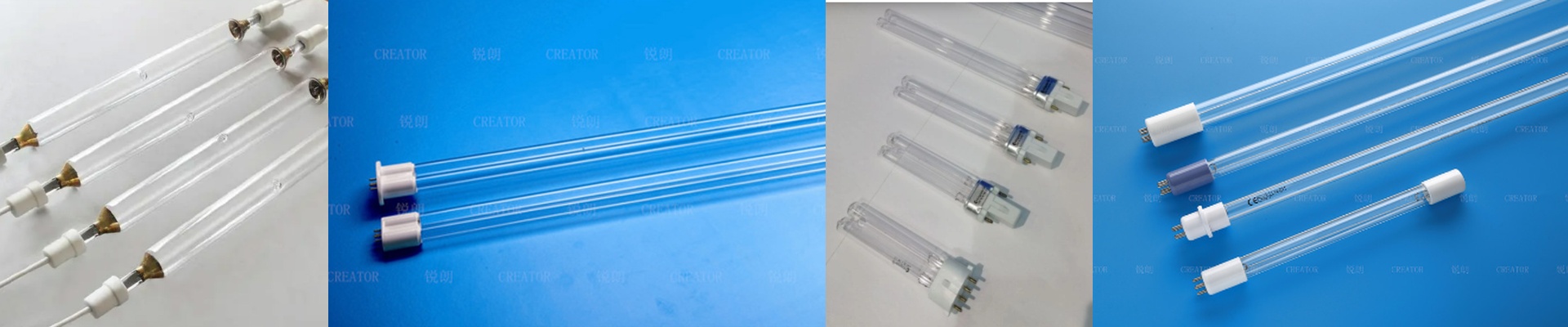
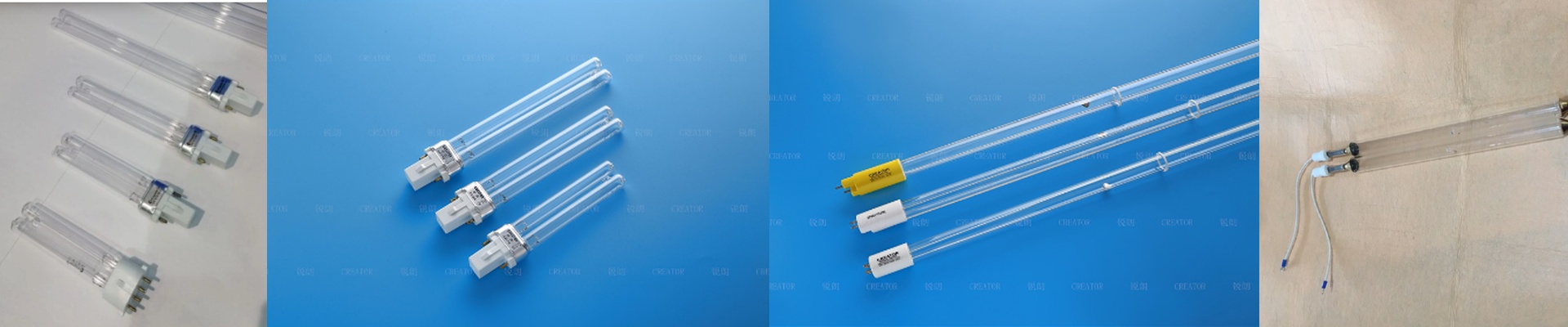
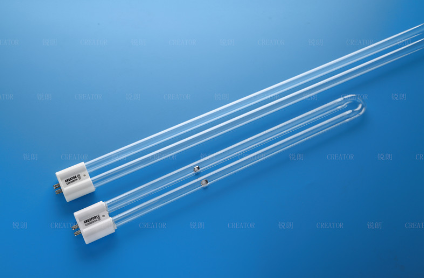
This isn’t a lab toy—it’s a UVC unit built for industrial duty. Its job is simple: deliver high-intensity ultraviolet energy to cross-link UV-curable inks and coatings instantly, and do it with an energy profile that makes sense in a plant power budget. The heart is a full-spectrum, high-pressure mercury vapor lamp, tuned to put most of its punch at 365 nm for deep penetration, and to carry solid energy at 385 nm and 405 nm to finish the cure at the surface and at the interface. That spectral balance matters because it lights up photoinitiators throughout the ink film, not just the ones at the top. The payoff is a cure through the full layer, not a skin-deep pass that can leave you with adhesion issues or blocking. When we talk performance, we talk numbers you can measure:
- Peak irradiance at the substrate plane: ≥ 12 W/cm², checked with a calibrated spectral radiometer.
- Delivered energy density: 600–1,200 mJ/cm², adjustable by line speed and lamp power—enough to fully cross-link standard UV offset and flexo inks.
- Reflector efficiency: 92% specular reflectivity from high-purity anodized aluminum, with a dichroic coating for heat management and spectral control.
- Lamp life: 2,000 hours to end-of-life, with less than 5% output degradation over the first 1,000 hours, based on an accelerated aging curve. The system runs ozone-free, using a quartz envelope with a coating that cuts off the 185 nm line. That keeps ozone out of the curing zone, lowers maintenance on the housing, and removes the need to overcomplicate ventilation to handle ozone byproducts. Power is engineered for the plant floor. A 1.2 kW lamp array, driven by a solid-state ballast with power factor correction, delivers the output while drawing less than old iron-core ballasts. The ballast holds arc stability, so you don’t get current drift that shifts the spectrum and gives you uneven cure.
Energy savings—without cutting into performance
Picture a shop running UV offset or UV flexo. You need instant cure to keep press speed up, deep penetration to prevent under-cure in heavy coverage, and full cross-linking so the stack can be handled right away without offsetting. You also have a utility bill that keeps climbing, and a target to bring it down. This UVC unit is built for that exact compromise. The lamp hits full intensity within seconds, so there’s no warm-up downtime. The press runs at rated speed from the first sheet, with no slow ramp while the lamp comes up to temperature. The curing window is immediate—no latent heat, no waiting. The ink cures as the substrate passes, and the job keeps moving. The energy reduction comes from three practical places:
- Efficient ballast and lamp coupling: The solid-state ballast pulls only what’s needed to hold the arc, and power factor correction keeps reactive power low. Compared to magnetic ballasts, the savings show up immediately.
- Reflector design: The dichroic reflector sends photons back to the substrate instead of losing them as heat. Less wasted energy means more of what you draw becomes usable UV.
- Smart duty cycle and line integration: Paired with a line controller, the lamp can run at reduced power in standby and snap to full power when the job starts, so idle waste drops. What does that look like on the floor? Same press speed. Same cure quality. Lower energy draw. Over an 8-hour shift, you see a real drop in kWh. In practice, we’ve seen 18–22% reductions, depending on what was there before, the ink coverage profile, and line speed. Cure stays consistent across substrates—paper, PET, BOPP, foil—because the spectral output matches the photoinitiators in modern UV inks. The 365 nm peak drives deep cross-linking, and the 385–405 nm energy finishes the cure at the interface and surface. That avoids the two-stage headache you get from lamps that over-index on short wave and starve the mid wave, and it prevents the under-cured core that shows up as blocking or poor adhesion. The housing is built for the plant. It runs cool enough to keep thin films from warping, and the ozone-free design keeps the air around the curing zone breathable without extra extraction. Maintenance is straightforward: swap a single lamp module, no special tools, and a reflector that cleans in minutes.
The realities: installation, compatibility, and what to watch
This is industrial equipment, so plan for the constraints.
- Power and cooling: The 1.2 kW array needs a dedicated 240 V circuit with proper fusing. Air cooling is mandatory—plan for 150–200 m³/h of clean, dry airflow across the housing. The system handles ambient up to 35°C, but sustained higher ambient will cut reflector efficiency and shorten lamp life.
- Substrate and ink chemistry: The spectral output is optimized for standard UV inks. If you run specialty inks with photoinitiators tuned to different wavelengths, you may need to adjust line speed or lamp power. Always confirm cure with a radiometer at the substrate surface—don’t trust your eyes.
- Reflector maintenance: Dust and ink mist will drag reflector performance down. Inspect and clean the reflector every 500 hours, or more often in heavy-coverage environments. A 5% drop in reflectivity translates to a measurable loss in delivered energy density.
- Line integration: The lamp integrates with most presses through a standard interface. The envelope is compact, but verify clearances at your curing station. It’s air-cooled only—won’t work on systems that require water cooling.
- Lamp life and replacement: Replace the lamp at 2,000 hours, or when output falls below what your line speed and ink need. Don’t wait for a visible failure—measure output and schedule replacement around production. The trade-off is straightforward: to get high peak irradiance and deep spectral penetration in an air-cooled package, you need adequate airflow and a dedicated power circuit. Plan for it, and you get steady curing, fewer stops, and a lower energy bill. Skip it, and you’ll see power spikes, thermal issues, and uneven cure when the line is running fast. On the plant floor, the numbers do the talking. Cut energy spend by up to 20%. Keep the press at rated speed. Get complete cross-linking, not just surface cure. The UVC unit is a practical answer to the question every plant manager is facing: how do we do more with less energy, without backing off on quality? If you want to see the difference where it counts—on the meter, on the press, and on the stack—start with the specs, match the lamp to your ink, and run the line the speed you paid for. The savings aren’t theoretical. They show up in kilowatt-hours, in stacks that leave the line ready for the next operation, and in downtime that simply doesn’t happen.