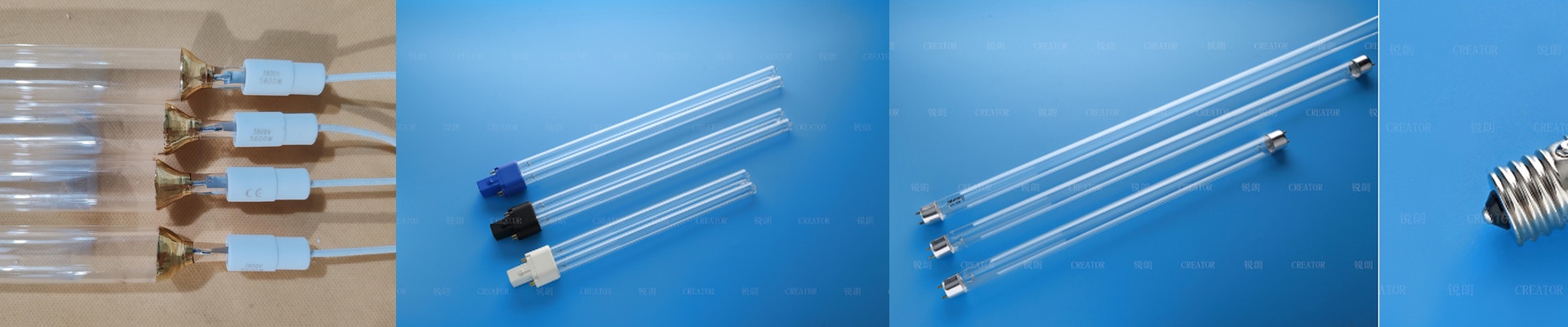

Getting Your UV Curing Right (Without the Headache)
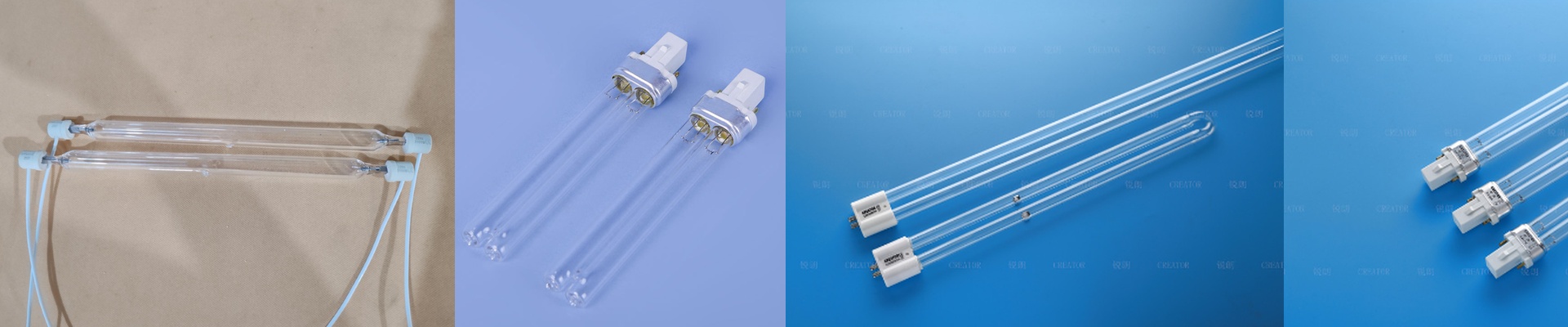
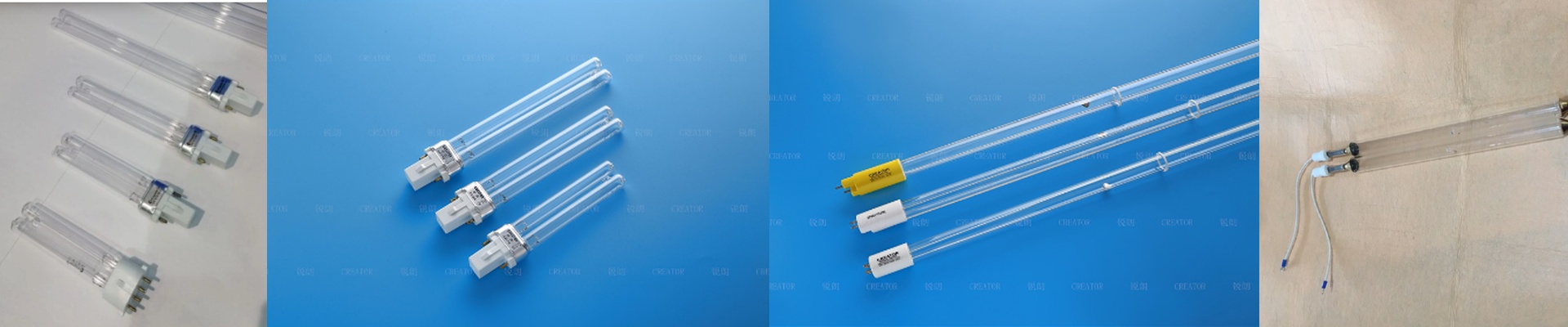
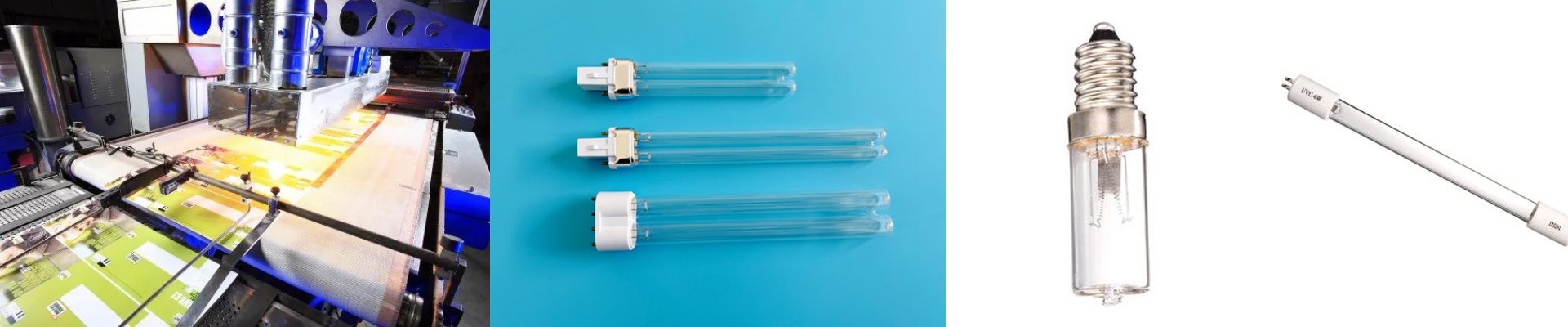
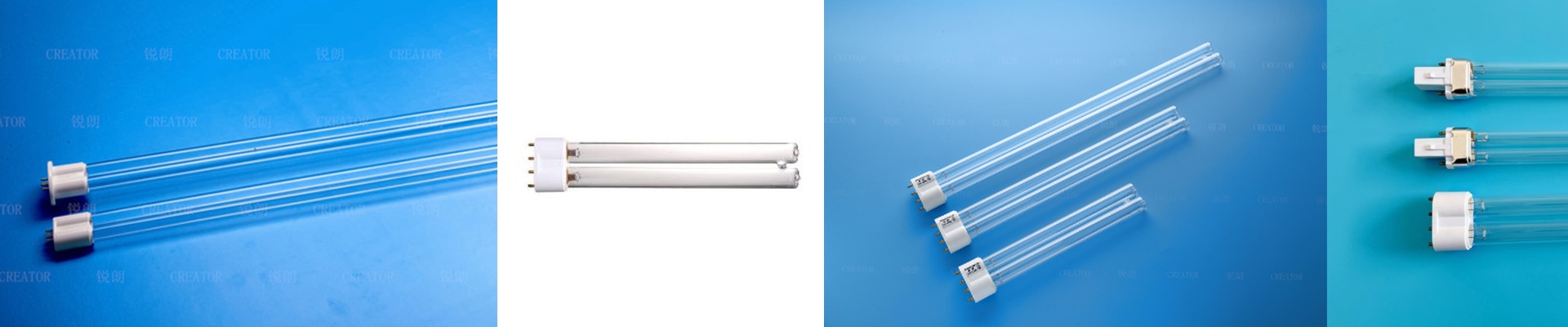
Let’s be honest: mercury UV bulbs are the unsung heroes of the print shop. They do the heavy lifting, turning wet ink and coatings into a solid, cured finish in a matter of seconds. But if you’re running a small or mid-sized shop, you know that one wrong spec can turn a great job into a tacky, uncured disaster. Nobody wants to deal with that. The science part (kept simple) Here is how it actually works. These bulbs use mercury vapor to pump out high-intensity UV radiation—mostly in those UVC and UVB ranges. That specific light is what hits the photo-initiators in your ink and tells them to harden. But there’s a catch. You have to get the wattage and the tube length just right. If your tube is too short for your conveyor, you’ll end up with “zebra stripes” or edges that just won’t dry. It’s frustrating, and it’s a waste of materials. Dealing with the heat These things get hot. Really hot. That’s why we use high-purity fused quartz for the glass. Regular glass would just block the UV light or, worse, shatter the moment it heats up. When you’re running a high-wattage array, that heat builds up fast. Check your cooling fans or water-jackets. If the bulb overheats, the pressure inside shifts and your UV output tanks. You’ll be wondering why your ink isn’t curing, and the answer is usually just that the bulb is too hot. Making it work for your shop We make these bulbs as drop-in replacements. We keep the tolerances on the pins and end-caps tight so you don’t have to worry about arcing at the socket. And look, we get it. Small shops can’t afford the insane markups that come with big-name proprietary lamps. We offer wholesale pricing because you should get the same spectral output without paying a “brand tax.” Just a quick tip: double-check your ballast settings. If you run these at the wrong voltage, you’ll burn them out way faster than you should. Keep the power steady, and these bulbs will take care of the rest.