
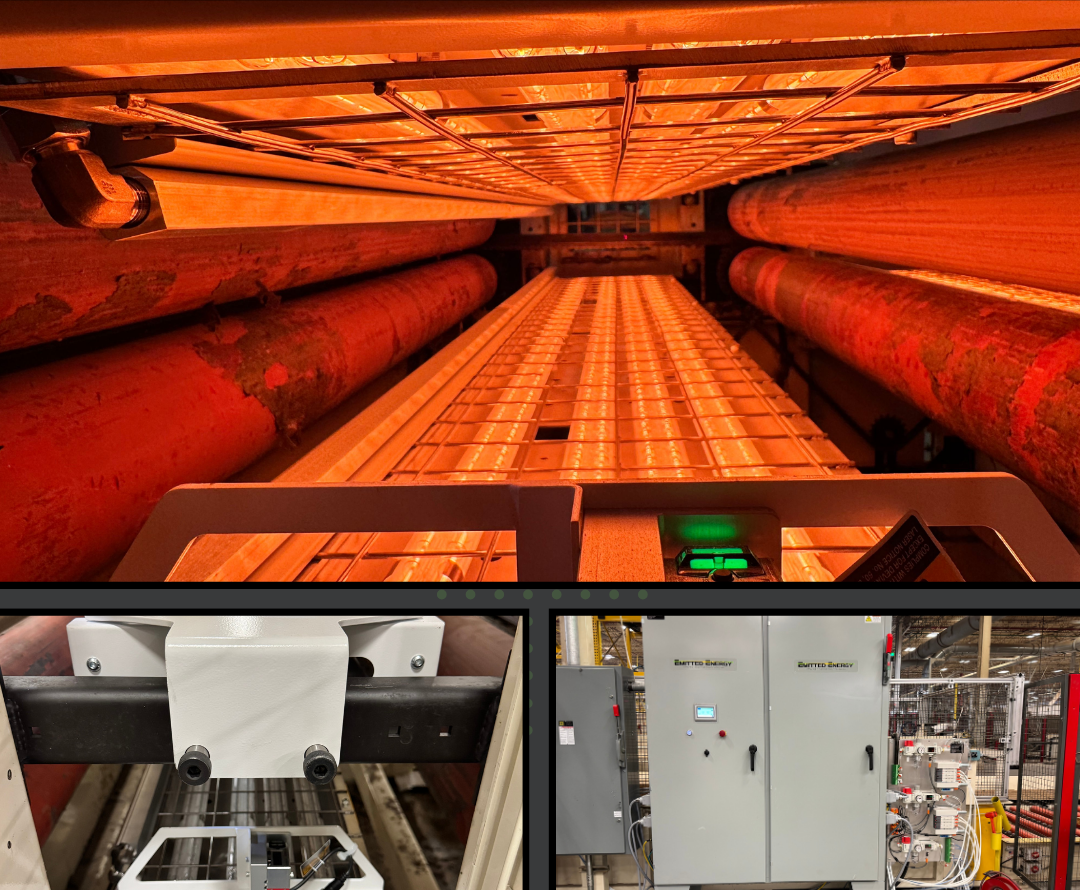
Why Most Halogen Lamps Die (And How We Fixed It)
Let’s be honest: there’s nothing more annoying than an industrial lamp burning out right in the middle of a production run. Usually, it happens because the tungsten filament basically evaporates, or the quartz tube gives up the ghost. We spent our R&D time figuring out how to stop that. The secret is the halogen cycle. By adding a specific halogen gas into the tube, we basically trick the evaporated tungsten into jumping back onto the filament. It keeps the wire thick. It keeps the lamp running. And most importantly, it keeps you from having to climb into a machine to replace a bulb every few weeks.
Getting the Heat Just Right
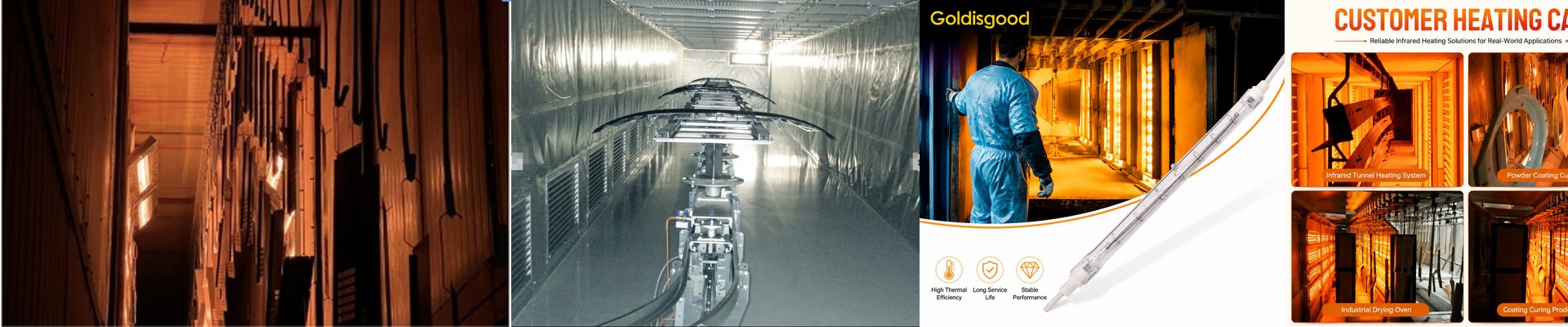
We don’t just make bulbs; we tune them. Depending on what you’re actually trying to heat, you probably need either short-wave or medium-wave IR. If you need to hit a target fast and get the heat deep into the material, you want short-wave. To get that, we just crank up the filament temperature. Now, when you’re pushing high wattage, things get intense. If you use cheap quartz, the tube will warp or get cloudy—what the engineers call “devitrification.” It’s a fancy word for “the glass is breaking down.” That’s why we use high-purity quartz. It stays clear, stays strong, and doesn’t fail prematurely.
Plugging It In
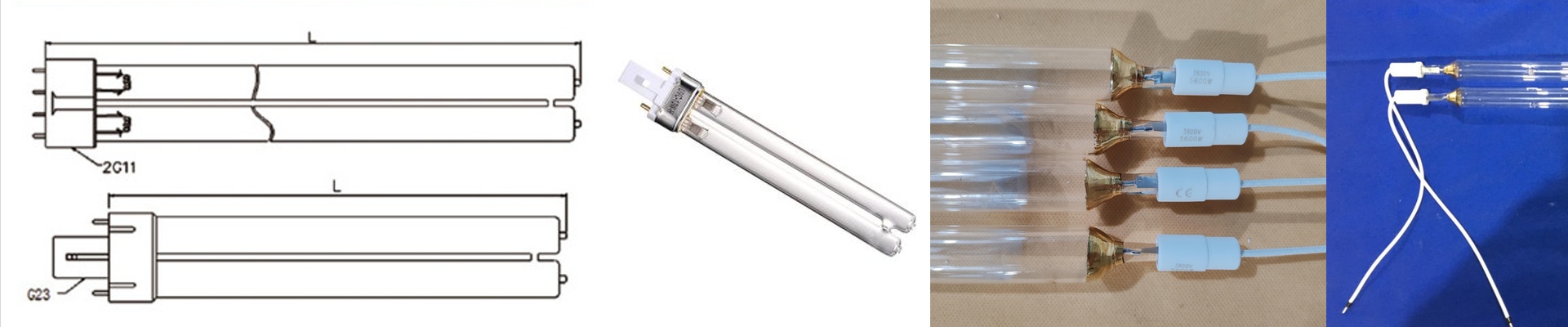
Nobody wants to rewire an entire electrical panel just to get a better heat source. That’s why we stick to standard footprints like R7s or SK15. You just pop the old one out and drop ours in. Simple. We also spend a lot of time balancing the voltage and wattage. If you get it wrong, you get “hot spots” on the filament, which is a recipe for disaster. A lamp set for 230V at 2000W gives you a smooth, consistent heat across the whole tube. Just a heads-up: keep your power supply stable. A sudden voltage spike can snap a filament in a heartbeat.
The Trade-offs
Here is the reality: more heat density means your machine ramps up faster, but it puts a lot more pressure on your cooling fans. If your airflow isn’t built for the wattage you’re pushing, your sockets are going to overheat and melt. It’s a mess. Before you push these lamps to their absolute limit, do yourself a favor and check your ambient temperature sensors. It only takes a second, and it saves you a huge headache later.