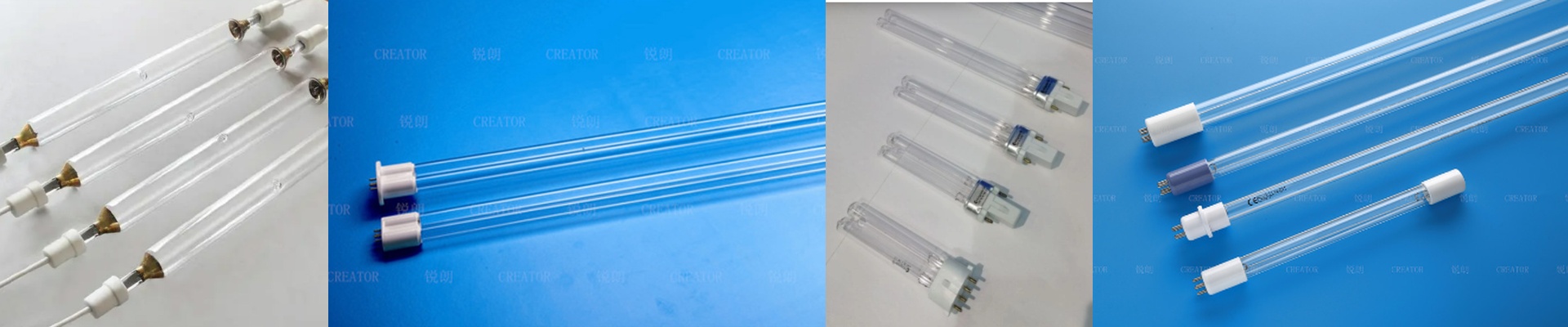
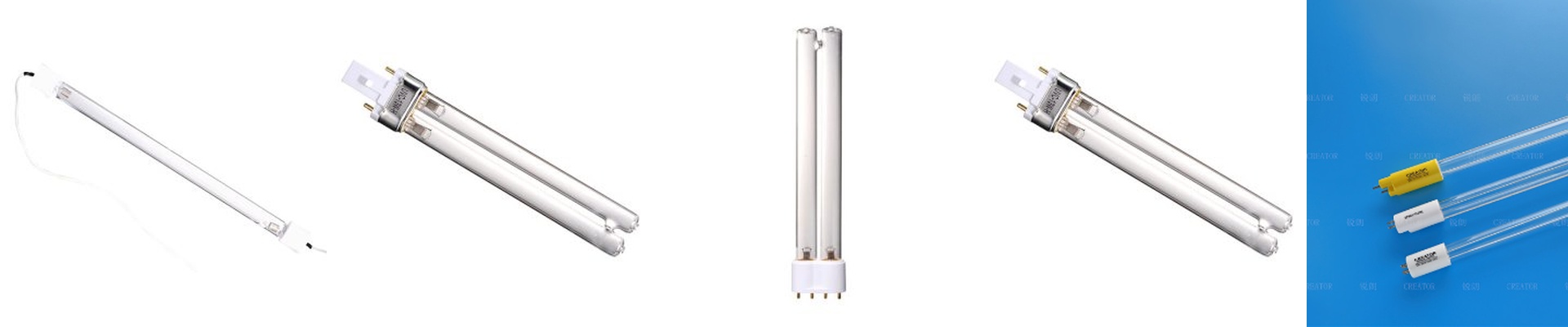

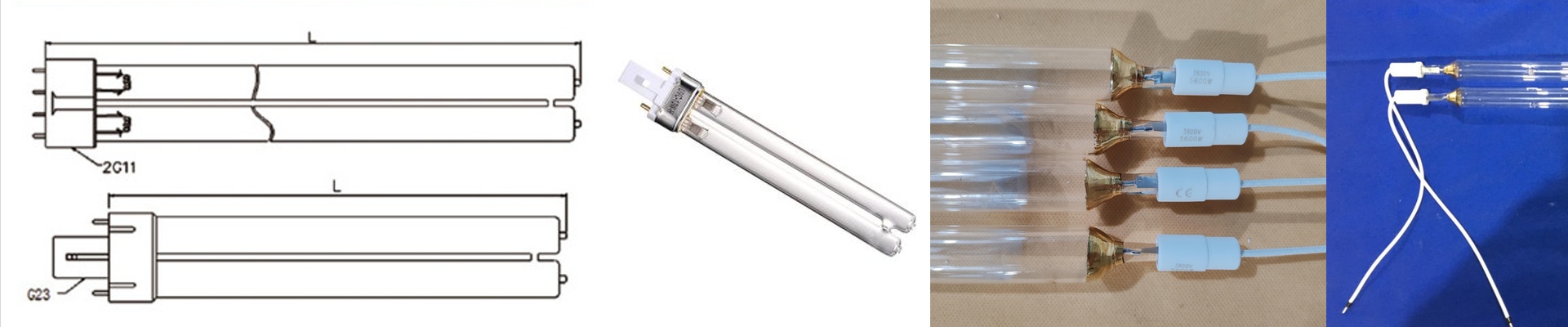
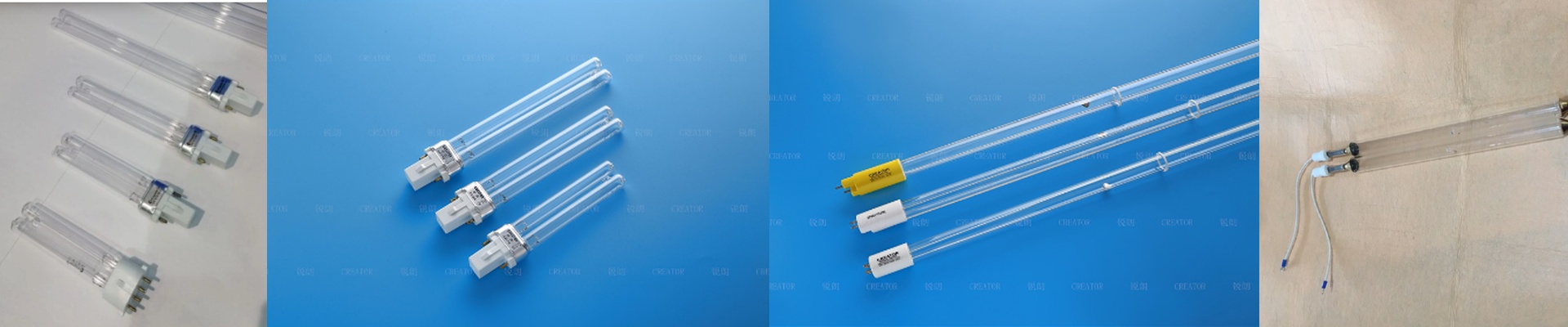
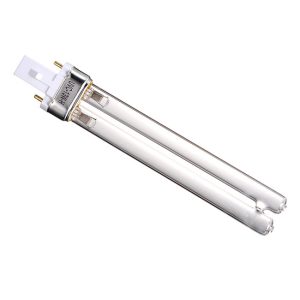
Tacky prints don’t always point to bad ink. On offset, flexo, screen, and rotogravure lines, the usual culprit is a high-pressure mercury lamp that’s hit optical decay. As the mercury vapor spectrum shifts and the quartz sleeve ages, peak irradiance falls off, and the 365 nm output that drives photoinitiator cross-linking gets weaker. You end up measuring lower mJ/cm² at the substrate. The result is incomplete cure, blocking, and scrap. What matters, technically When you replace mercury, you’re matching spectral output to the ink’s photoinitiator window. For standard cationic and free-radical systems, keep strong 365 nm output and stable peak irradiance. If you need an LED-like cure front, 385 nm and 405 nm give you softer penetration and less heat. Spec lamps with dichroic reflectors that shape the beam and keep energy on the web. And confirm curing energy density at line speed, not just lamp power. Look for stable output for 5,000+ hours with less than 5% drop, and an ozone-free design to keep the shop air cleaner. Why it plays on press On Heidelberg, KBA, Gallus, and SPS screen presses, the swap is straightforward when lamp length, arc gap, connector, and cooling match the machine footprint. You get repeatable cure across the sheet, fewer stops for blocking, and lower energy draw per cured meter. Surface finish stays consistent, and job changeovers move faster—without chasing ink formulation. The practical details Match the lamp to the press: offset needs uniform, high-intensity cure; flexo needs deep through-cure; screen needs broad, even exposure. Double-check reflector geometry and the dichroic coating for your setup and speed. On some older mercury fixtures, expect a re-wire or ballast change. Always validate cure with a radiometer, and run a pilot job to set the energy density window.