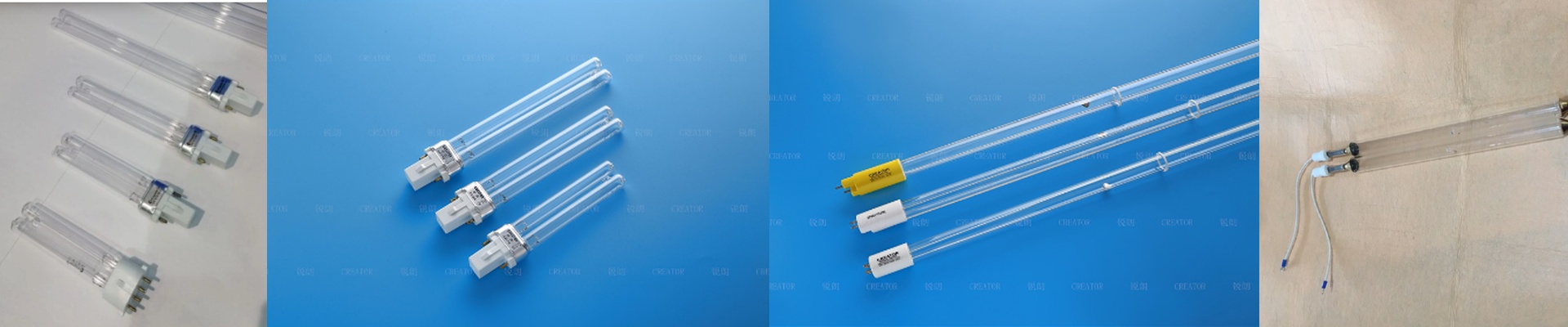
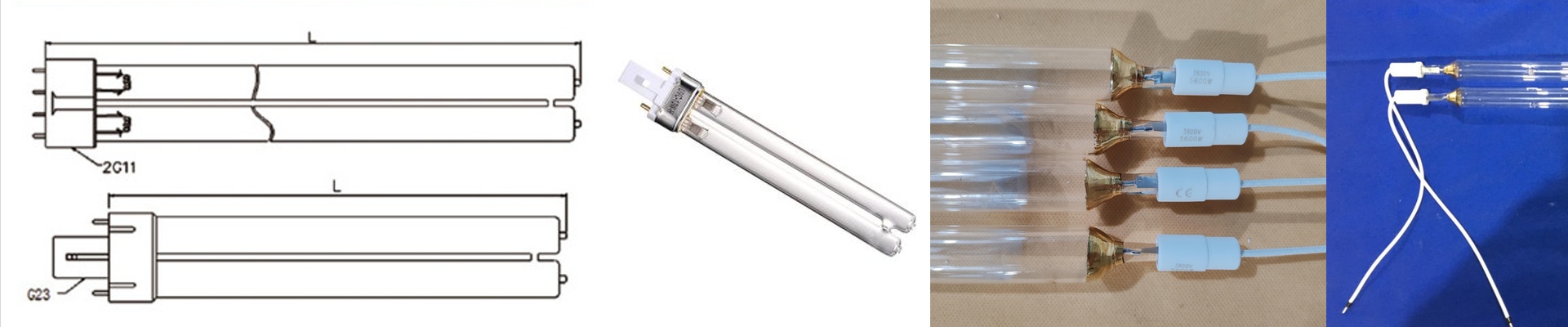

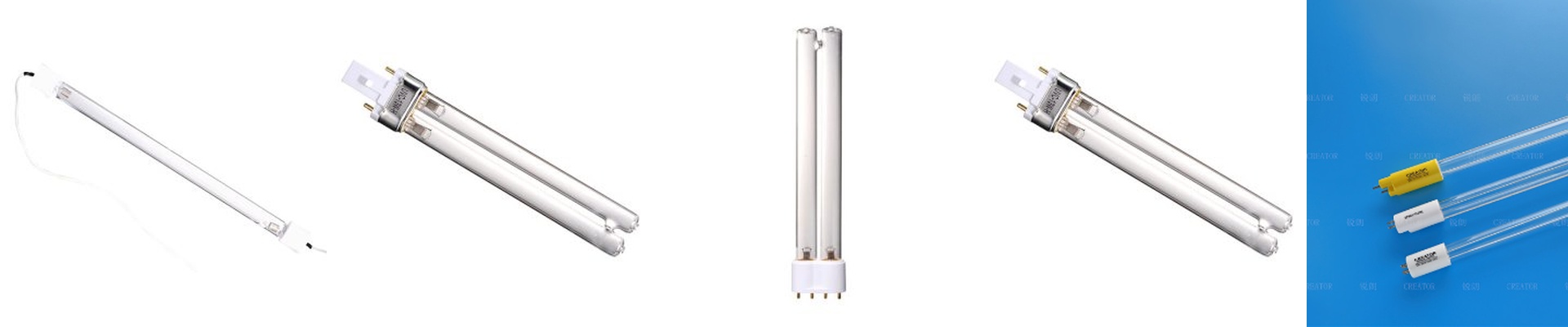
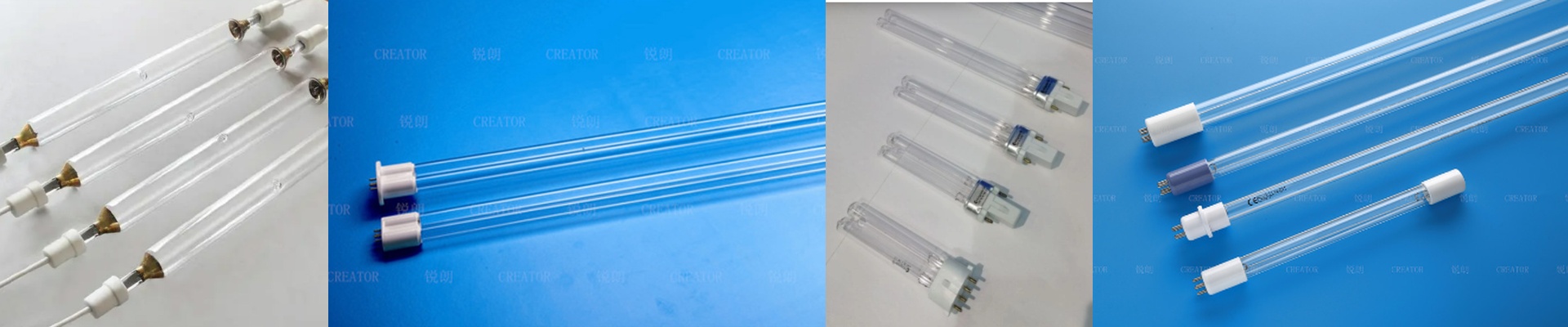

On the press, label jobs with fine halftones and reversed type fall apart the moment UV output starts to drift. You spot it first in the print: halos, dot gain, and feathering along the trailing edge—stuff that makes it past the anilox but should never survive the cure zone. That’s not a pigment issue. It’s straight-up energy-density. What actually keeps you stable We build stability around the mercury vapor discharge and the reflector stack. A high-pressure mercury lamp, matched to a precision elliptical reflector and a dichroic coating tuned to the 365 nm line, gives you a steady spectral output and predictable peak irradiance at the substrate. The payoff is a consistent UV dose across the print gap—measured in mJ/cm²—so the photoinitiator in your flexo ink gets the same cross-linking stimulus from dot to dot. The lamp arc stays within tight tolerances, and output degradation stays on a low drift curve over thousands of hours. Why this matters on a flexo label press In flexo label work, the cure window is tight. The web is moving fast, and the ink film is thin. When the lamp holds output steady, you stop compensating with higher speed, wider lamp gaps, or over-pressure that chews up dots. You can measure the improvement: less halation around reversed elements, sharper halftones, and density that repeats from the first impression to the thousandth. You also get fewer stops for lamp warm-up, and the cure stays consistent even when the press gets interrupted and started back up. A few shop-floor details that make the difference Match the lamp to the system geometry. Reflectors, shutters, and shutter apertures have to line up to the focal line—even a small offset throws off the irradiance profile and leaves under-cure at the edges. Keep ozone management and cooling airflow in check. Stable output depends on stable arc temperature. And replace lamps based on measured end-of-life, not the calendar. That’s how you keep dose repeatability in spec.