
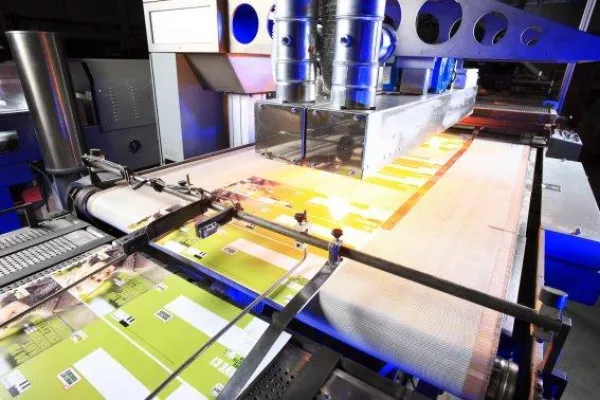
On an automotive parts line, powder cure can’t drift. Under-cure means adhesion failure and scrap. Over-cure eats energy and risks part distortion. Hybrid IR plus UV is gaining traction, but only if the UV source holds steady and repeatable output.
What matters, technically
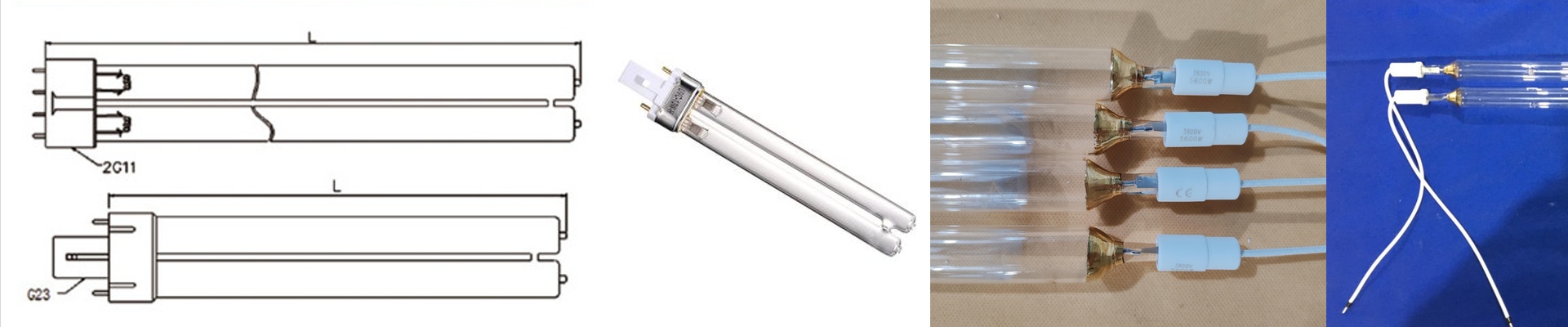
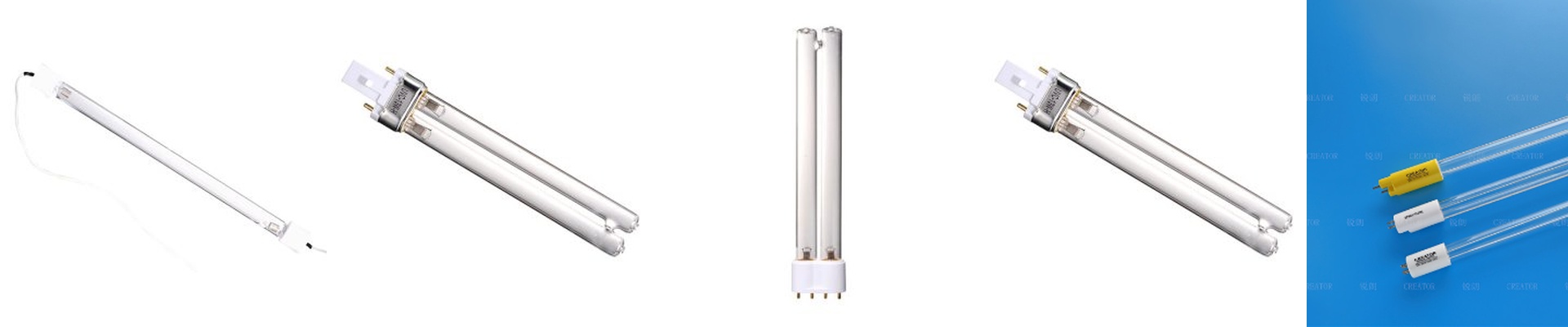
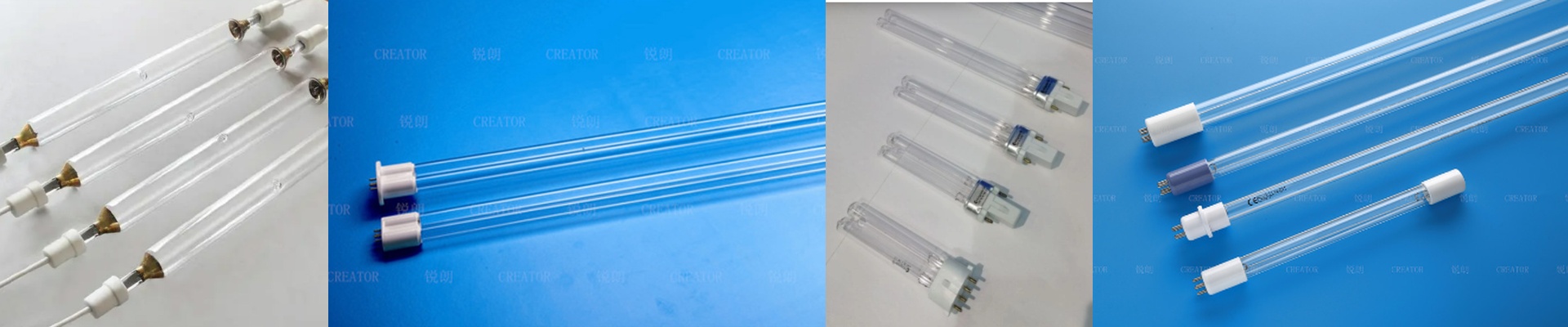
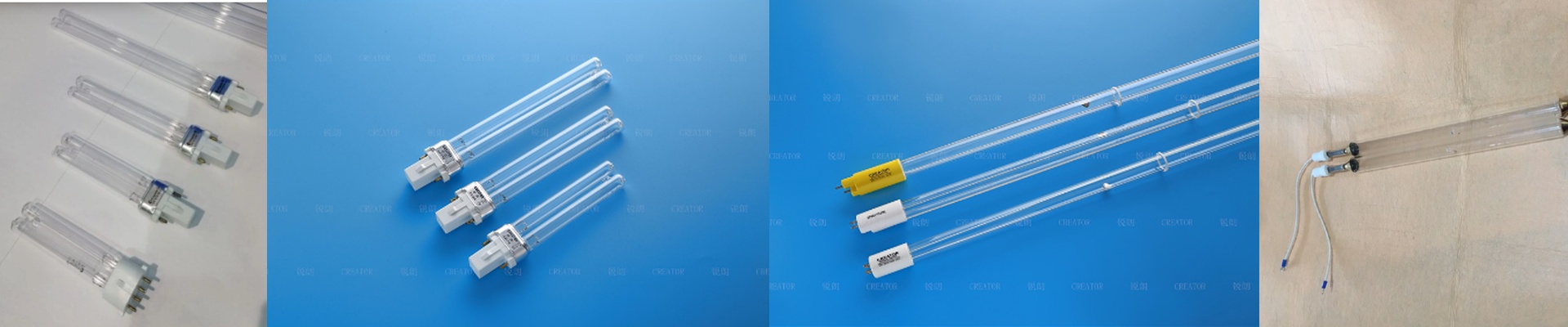
Amalgam UV germicidal lamps are mercury vapor lamps built for high radiant power at 254nm, with tight arc length tolerances and low arc gap variation. In production terms, that translates to consistent spectral output and predictable energy density across the substrate. We specify peak irradiance at the work plane and deliver it with dichroic-coated reflectors that shape the beam and cut wasted heat. Expect stable output over 5,000+ hours, with less than 5% drop under controlled thermal conditions. Power density is matched to high-throughput lines, and the lamps run ozone-free, with quartz envelopes engineered for rapid thermal cycling.
Why it works in this application
Automotive powder curing uses IR to raise the part temperature and drive flow, then UV to trigger cross-linking of the surface layer. The amalgam lamp’s 254nm output accelerates photoinitiator activation, which shortens the thermal dwell and lowers peak part temperature. In practice, that means you can loosen line speed constraints, reduce distortion-related scrap, and trim energy use by shortening the oven segment. The payoff is a repeatable process window: faster cure, sharper control over gloss, and fewer reworks.
What you need to get right
Hybrid integration comes down to thermal management and lamp positioning. The lamp has to be synchronized with the IR heater so the part hits activation temperature before UV exposure. Reflectors and shutters must match the geometry; otherwise you get uneven dose and streaking. There is a clear installation tolerance: hold the specified standoff distance and maintain the required cooling flow to keep envelope temperature stable. If airflow is insufficient, output drift climbs and lamp life takes a hit. Plan the interface early. Match the power supply, connector type, and interlocks to your conveyor and PLC. When those details are handled, the amalgam UV germicidal lamp behaves like a predictable process variable—one you can measure, control, and rely on shift after shift.