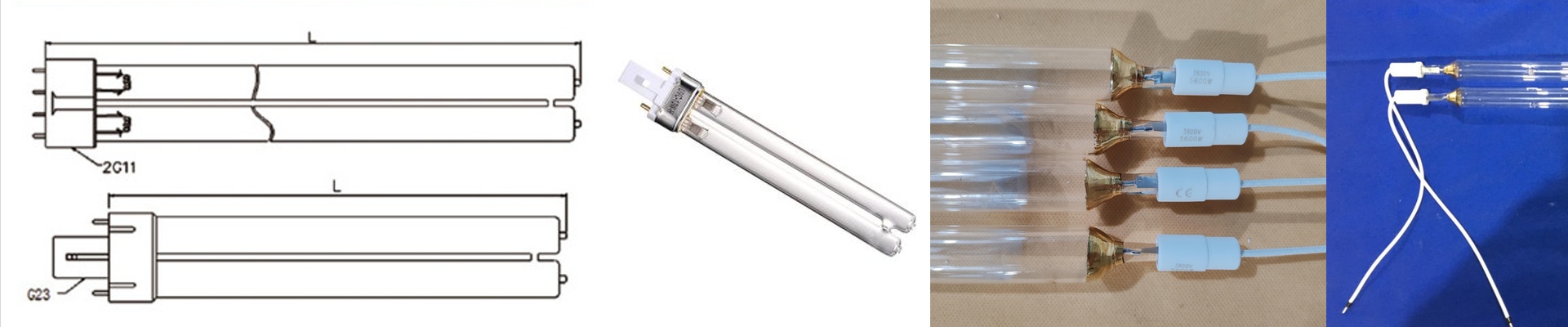
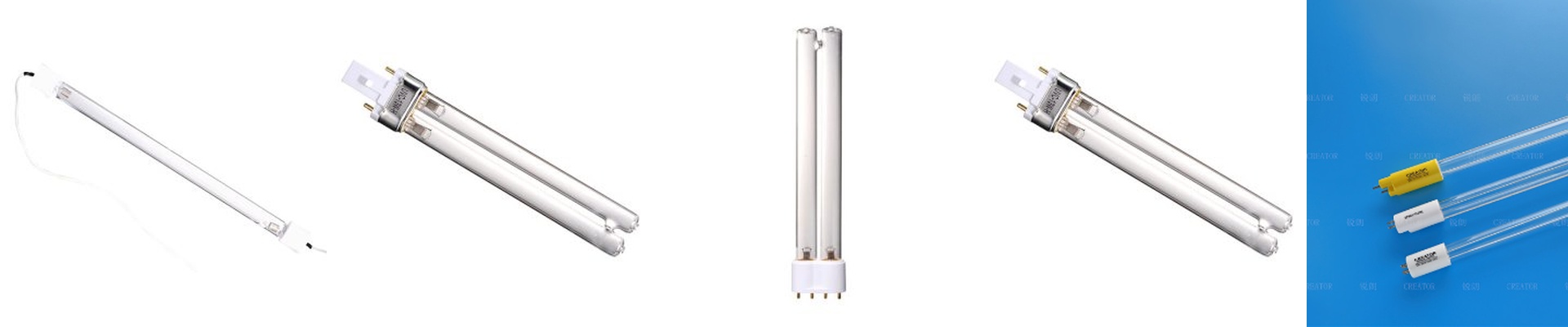
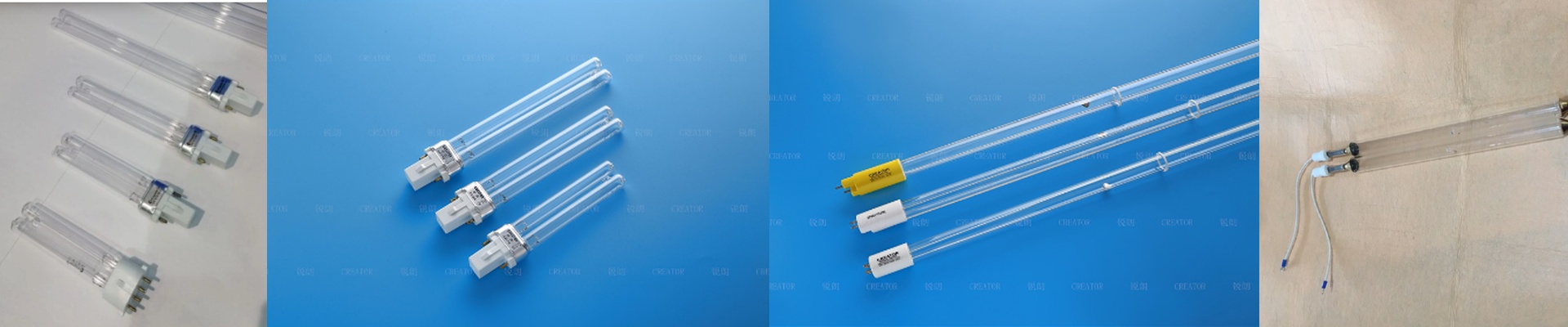
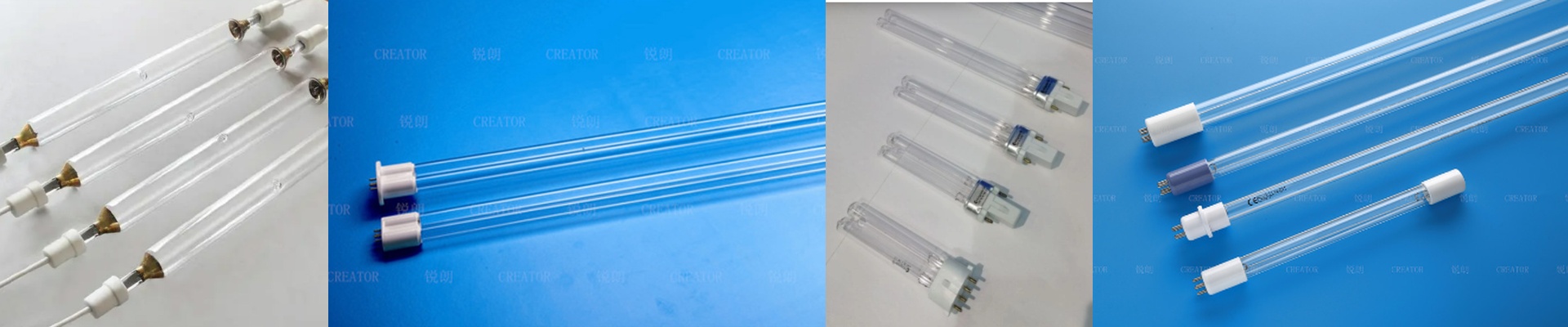

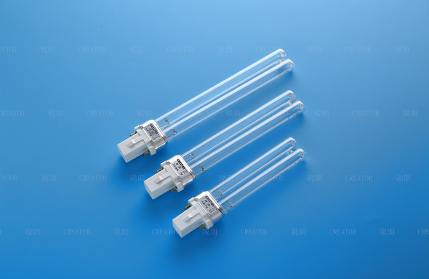
On the floor, chemical disinfectants for bird cage parts always turn into a bottleneck. Residues drag out rinsing, drying, and validation. Schedules slip, and the worry about residual contamination never really goes away. Switching to UVC germicidal irradiation cuts the chemical dependency and speeds throughput, but only if the lamp output is truly engineered for consistent microbial kill. What matters, technically We spec a high-pressure mercury vapor lamp tuned for 254nm germicidal action, hitting a peak irradiance above 120 mW/cm² at 100mm. The quartz sleeve is ozone-free, and the reflector assembly keeps a tight beam profile so you get dose where it counts—even on complex cage geometries. Dose is the number that rules: 40 mJ/cm² inactivates >99.9% of common bacteria and viruses. Stability matters just as much; we design for 9,000 hours of rated life with less than 10% output decay, measured against spectral radiometer traceability. Why it works in this line Bird cage production needs fast, repeatable sanitation without residues. UVC exposure replaces chemical soaking and wiping, so cycle time drops and VOC emissions disappear. The process runs at line speed, with dose controlled by dwell and lamp power. That makes validation straightforward and audit-ready. You use less water, sidestep chemical handling hazards, and keep a closed, biosecure flow from molding to assembly. Here are the real-world details UVC intensity falls off with the square of distance, and shadows create under-dosed zones. Position fixtures so every surface gets hit, and keep reflectors clean so output doesn’t get choked. Lamp output drops as temperature changes, so manage airflow and stay within the rated operating window. Make sure your power supply matches the lamp’s ignition and operating voltage, and confirm the quartz is compatible with any cleaners you use on the fixture.