
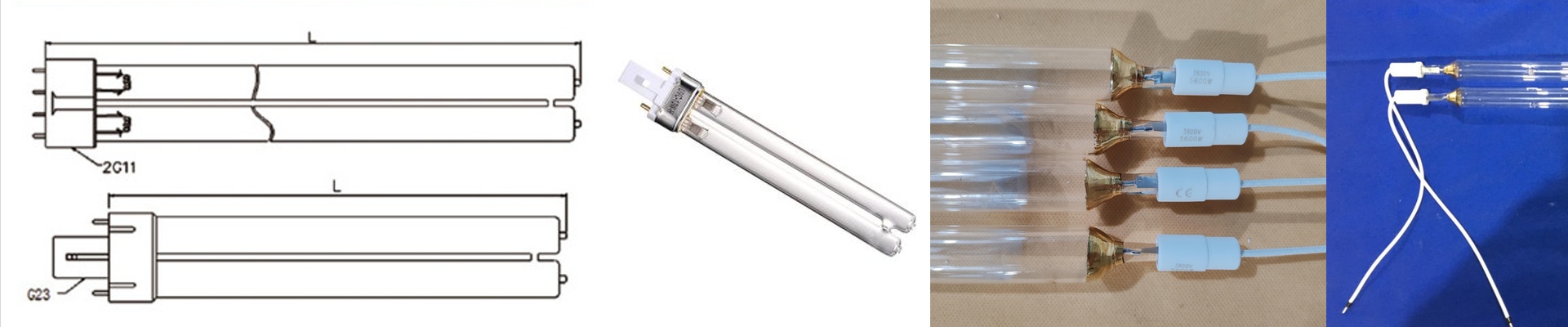
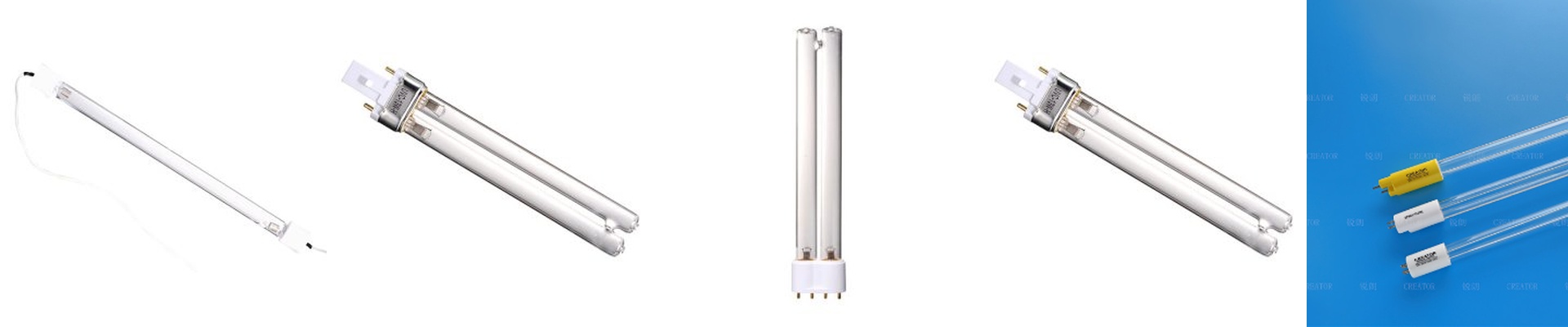
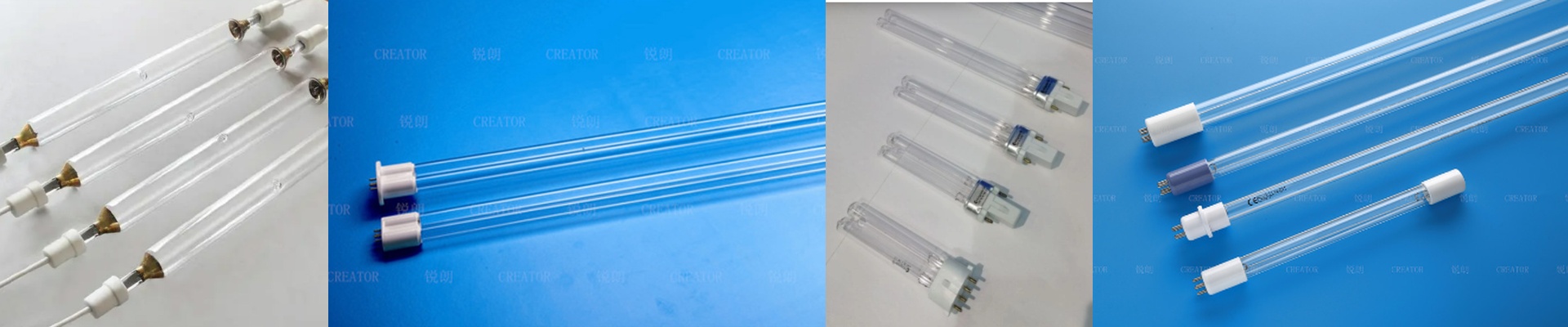
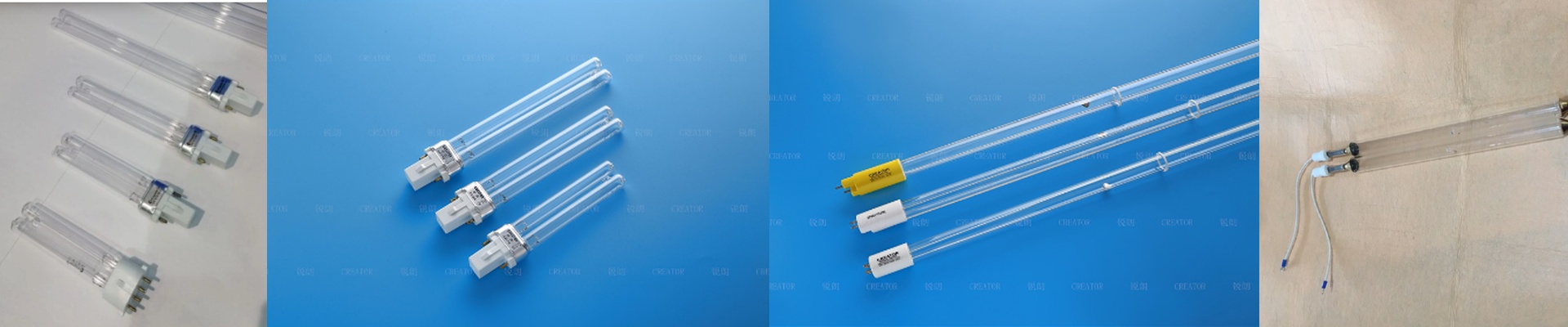
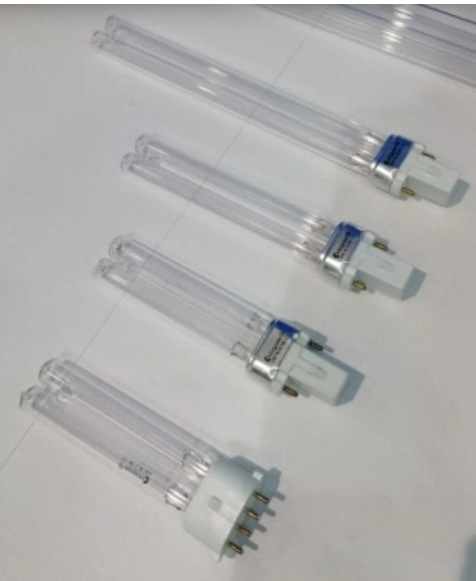
On a credit card line, the UV lamp isn’t a consumable—it’s the bottleneck. If the spectral output drifts, or peak irradiance dips below what the ink’s photoinitiator needs, you’re staring at surface tack that won’t go away, adhesion failure on embossed areas, and scrap that rework simply can’t fix. What actually matters under the hood Credit card UV inks cure by photopolymer cross-linking, driven mainly by mercury emission around 365 nm. We build the lamp to hold a steady spectral output, using a reflector setup and dichroic coating to focus energy where the photoinitiator absorbs. Delivered dose is measured in mJ/cm²—in real terms, the lamp has to maintain that energy density across the full print width, even over thick laydowns and fine security features. Peak irradiance sets the cure speed, not the wattage label alone. We design for output that stays consistent over the lamp’s life, with a controlled degradation curve so you can plan maintenance instead of chasing surprise downtime. Why this holds up on a card line Credit cards need a finish that resists scuffing, chemicals, and delamination—then lamination and personalization demand repeatable adhesion. Stable UV output keeps cure energy even from card to card and shift to shift, so gloss and surface cure don’t drift. The payoff is fewer rejects, predictable throughput, and lower energy per cured sheet because the system isn’t constantly trying to compensate for weak output. Field-level details worth remembering These lamps are sensitive to how they’re run. Keep the lamp window clean, align the reflectors exactly, and make sure the power supply matches the lamp’s voltage and ignition requirements. Restricted cooling airflow can let output drift, and some formulations are sensitive to ozone—check whether you need an ozone-free configuration. Our warranty covers the specified performance decay within the rated hours, and we handle replacements based on measured output data, not guesswork.