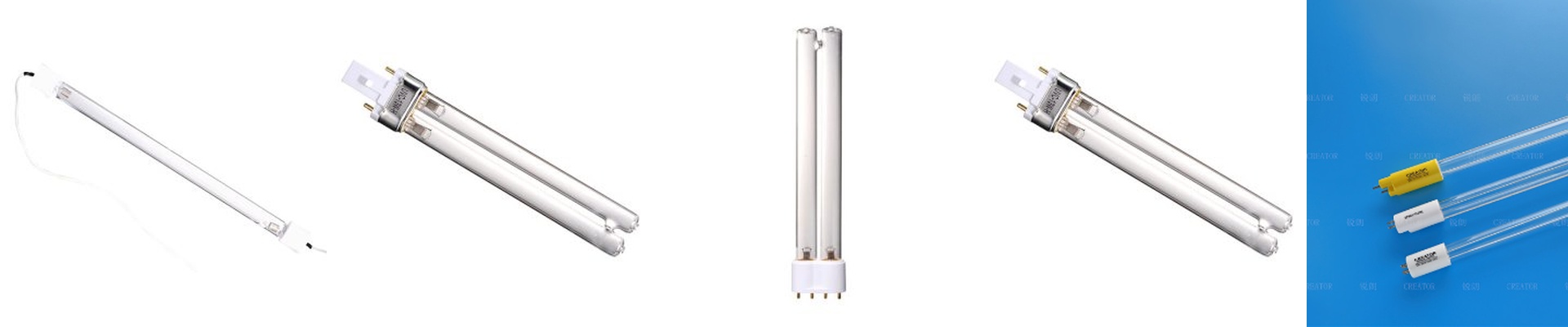
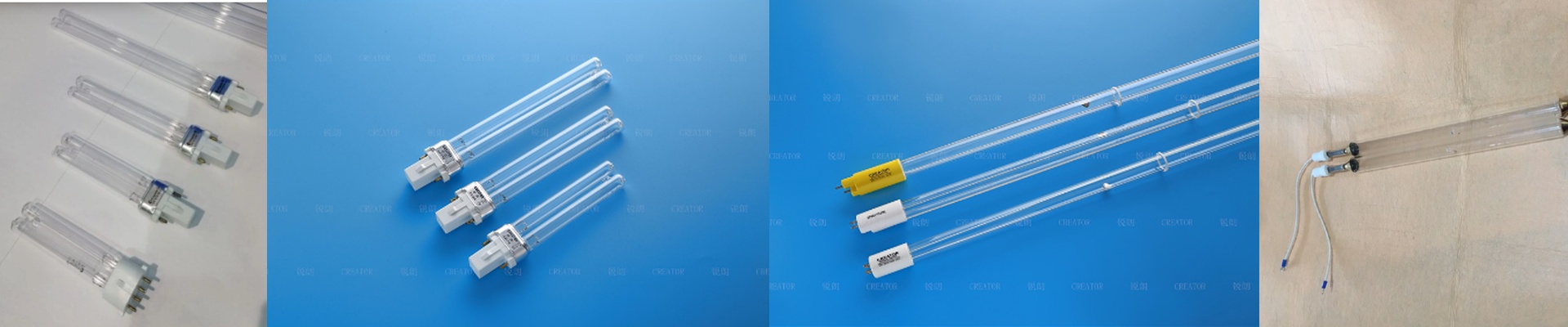
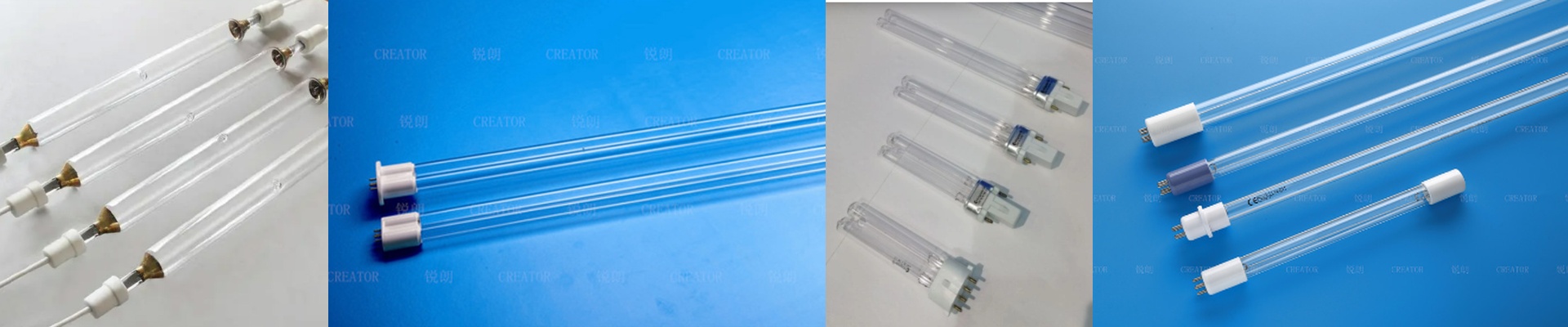
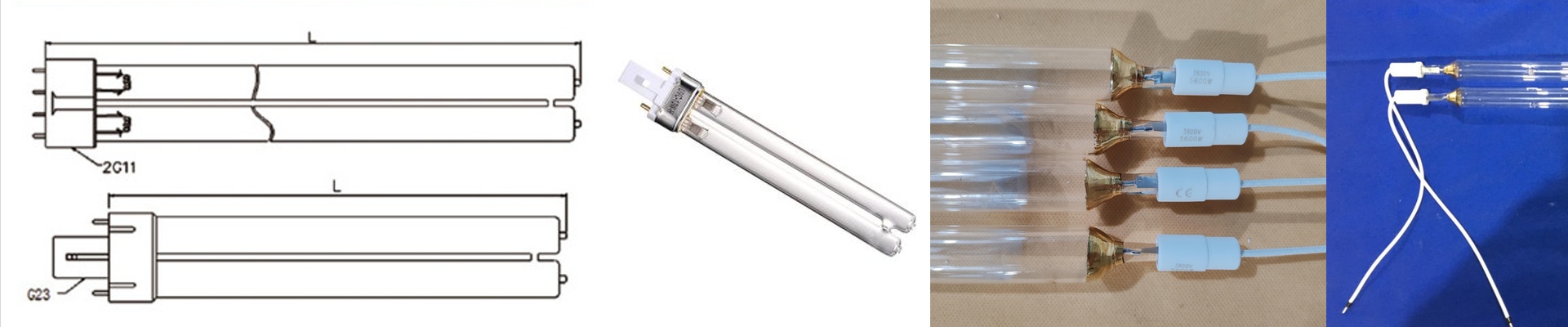


On the press floor, a missed cure isn’t a “glitch.” It’s scrap, rework, and idle machines. When your UV system can’t hold steady energy density across the web, the photoinitiators don’t finish cross-linking—and you pay for it in rejects and downtime. We build our high-pressure mercury UV lamps around one target: a complete, repeatable cure at line speed. What actually matters is spectral control and the energy delivered. Our lamps hold a stable mercury emission spectrum, with strong output at 365 nm and broad-band energy for thick ink films and pigmented coatings. Peak irradiance at the substrate is shaped by reflector geometry and a dichroic coating, tuned to cut down wavelength waste. The payoff is deep penetration, instant polymerization, and a full cure profile without scorching. We call it out in mJ/cm²—and we keep it consistent across lamp life, not just at start-up. Here’s why it holds up in real production: it turns speed into reliable output. The lamp hits full intensity immediately, so you stop waiting for warm-up and you can lock in the cure at high press speeds. The energy is focused, not scattered, which lowers operating cost and keeps heat off the substrate. And we stand behind it: if our custom UV lamp doesn’t deliver curing results that meet the level of major brands at the same price point, we provide full compensation. One practical point: high-pressure mercury lamps need the right igniter match, stable ballast current, and controlled airflow to keep the quartz envelope in its thermal window. Double-check connector type, lamp length, and arc distance to your curing module. Treat ozone control as part of the system design—our ozone-free variants make integration easier, but airflow routing still matters.