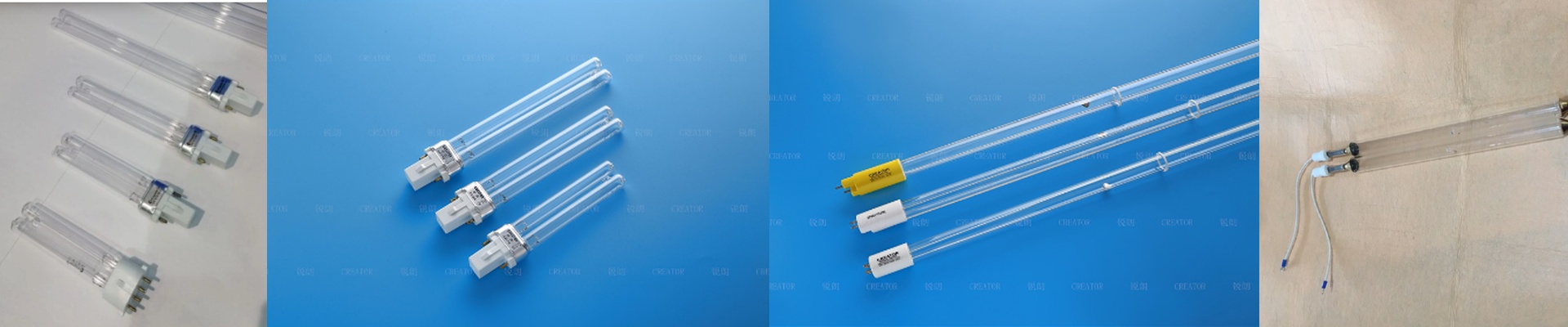
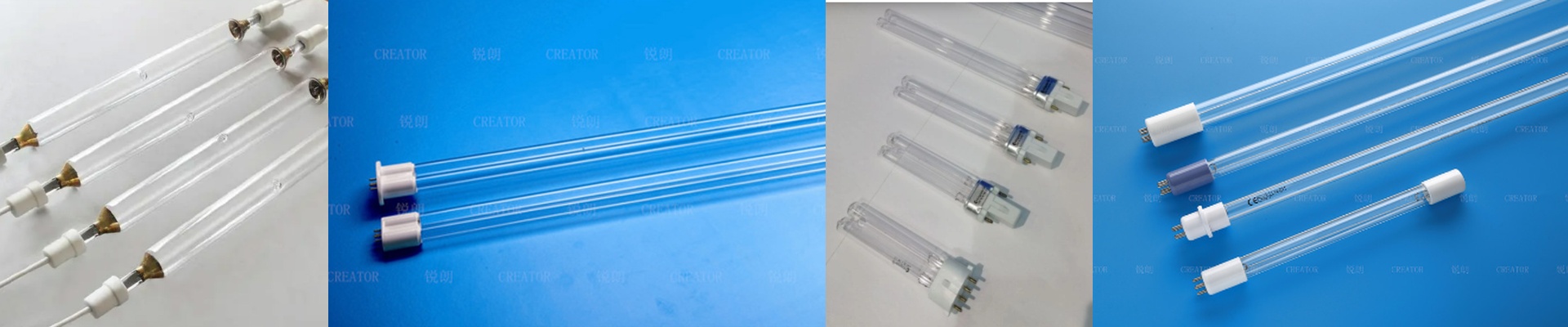
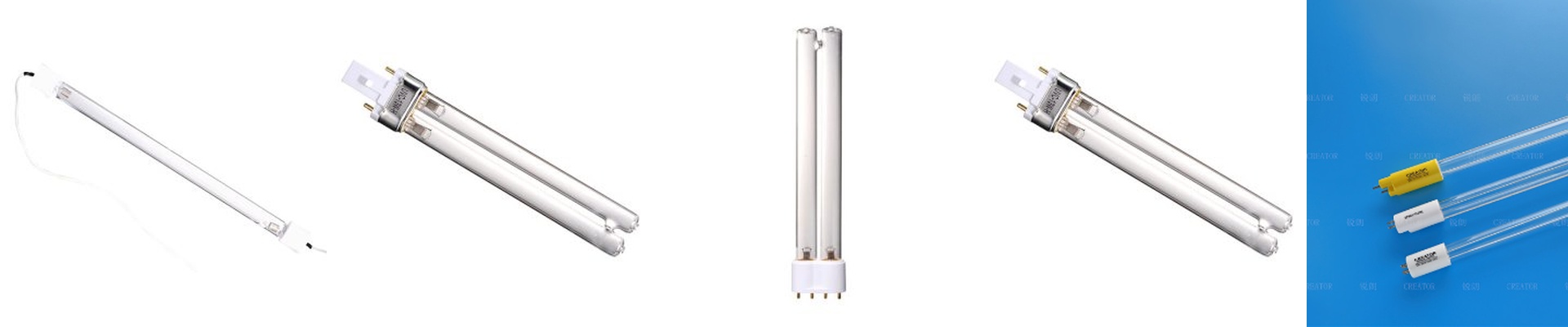

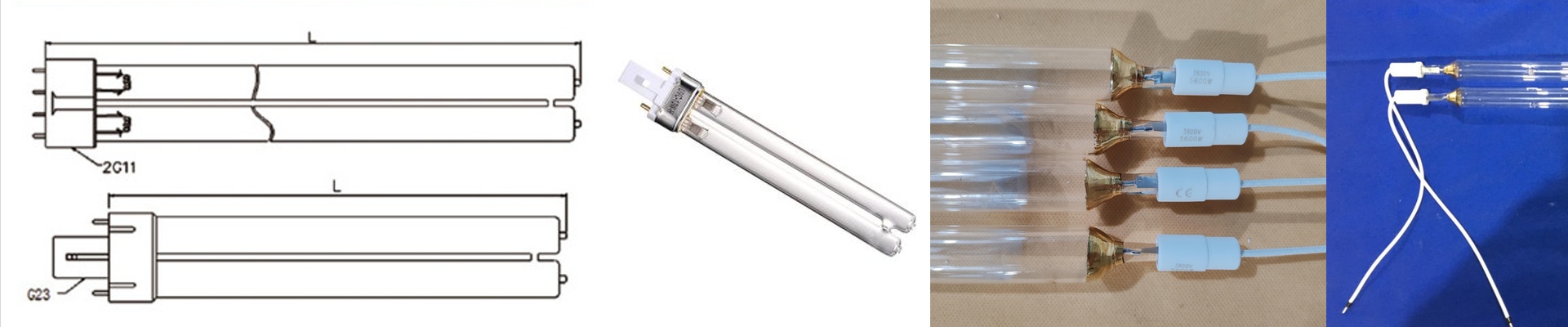

On the floor, when we talk about “spray-and-dry” in screen, we mean one thing: keep the line moving at speed. If the job stalls while waiting on ink to set, throughput disappears. The press usually isn’t the bottleneck—curing is. That’s where high-response UV lamps earn their keep. They deliver the instant energy needed to lock the print, and the spectral output of a gallium-doped mercury lamp is the lever that makes it happen. Here’s the technical part that matters: the spectral profile. A gallium UV lamp shifts the mercury vapor emission toward the 365 nm line and suppresses longer wavelengths that dump extra heat into the substrate. That targeted output lines up with the absorption of the photoinitiators in UV screen inks, so cross-linking accelerates without the substrate temperature spiking. In practice, you get higher peak irradiance at the cure plane, hitting energy densities of 600–1200 mJ/cm² in seconds. The lamp arc length and reflector geometry are tuned to keep the irradiance uniform across the print, which keeps dot gain and ink thickness consistent. Why this works on a screen line is simple: speed and continuity. Gallium-enhanced spectral output gives you fast response—instant-on at full intensity—so the lamp stays in sync with the press without a warm-up. That translates into higher press speeds, fewer rejects from set-off or smear, and color density that stays stable run after run. Energy use drops because the energy is concentrated where the photoinitiator actually responds, and lamp life holds steady when electrode erosion is controlled. We’ve seen units run 5,000+ hours with less than 5% output drop, provided the power supply and cooling are matched properly. A few field realities to keep straight. The lamp has to be matched to the reflector’s dichroic coating and the curing chamber’s airflow. If you want ozone-free operation, you need a quartz sleeve or an ozone-suppressing envelope. And reflector alignment is non-negotiable—get it off, and irradiance uniformity goes with it. Before you bolt anything in, confirm compatibility with the press power supply, connector type, and shutter cycle. Otherwise you’ll invite premature electrode stress and inconsistent curing.