
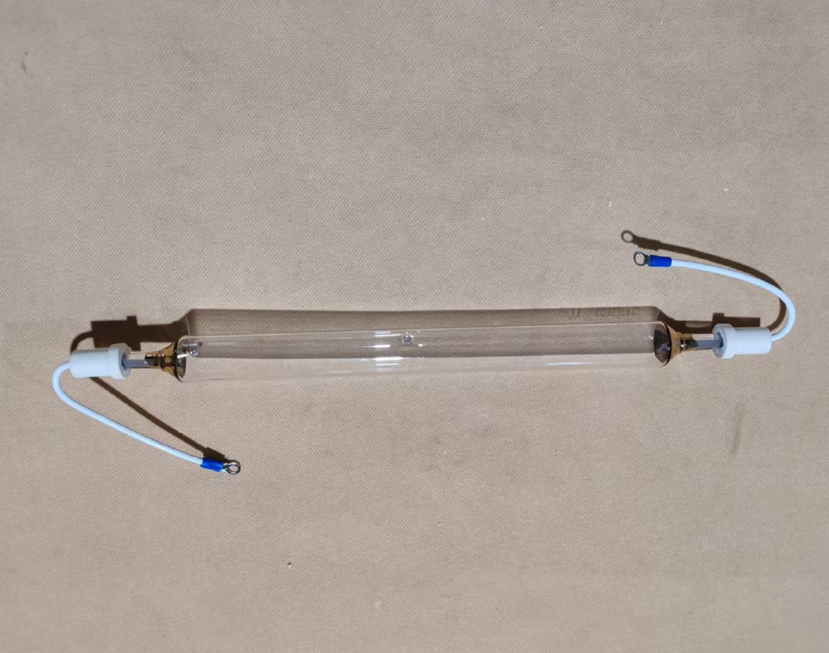
The Engineer’s Obsession: Hitting 0.5% Spectral Energy Concentration in a UV Lamp That Actually Saves Energy
We built this UV germicidal lamp for the kind of engineers who won’t settle for “good enough.” Our target was brutal: 0.5% spectral energy concentration. Not a marketing number. A real, hard engineering goal that defines how the lamp performs. Because at the end of the day, this lamp is about one thing: getting the most germ-killing power out of every single watt. No excuses.
What it took under the hood
Hitting that 0.5% mark means everything has to line up perfectly—how the lamp receives power, and how it turns that power into UVC photons. So we tuned the electrical side down to the details. The power system is set to run at a specific voltage and power, which keeps the arc rock-stable. That stability matters. It stops energy from bleeding away as heat and keeps it focused in the UVC band. Translation: more of your energy goes into disinfection, not wasted output.
The materials that make it tough
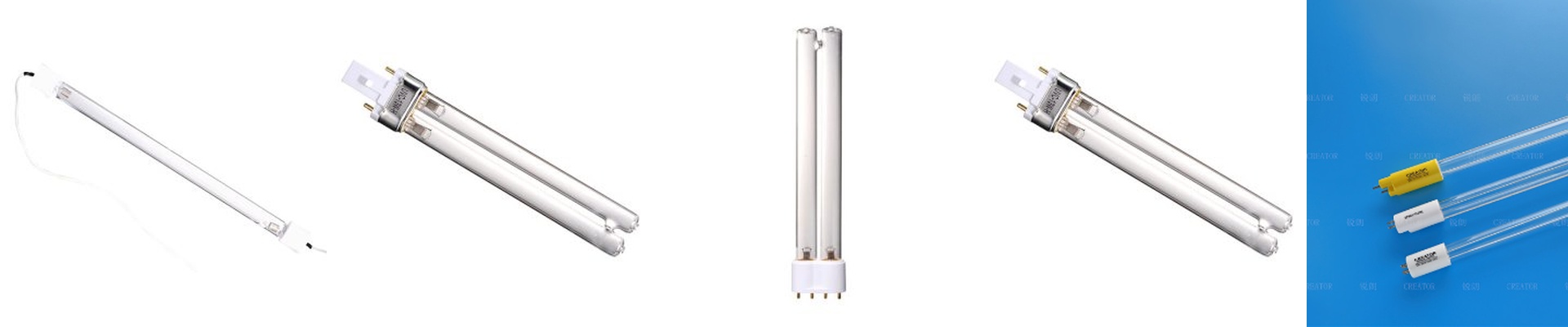
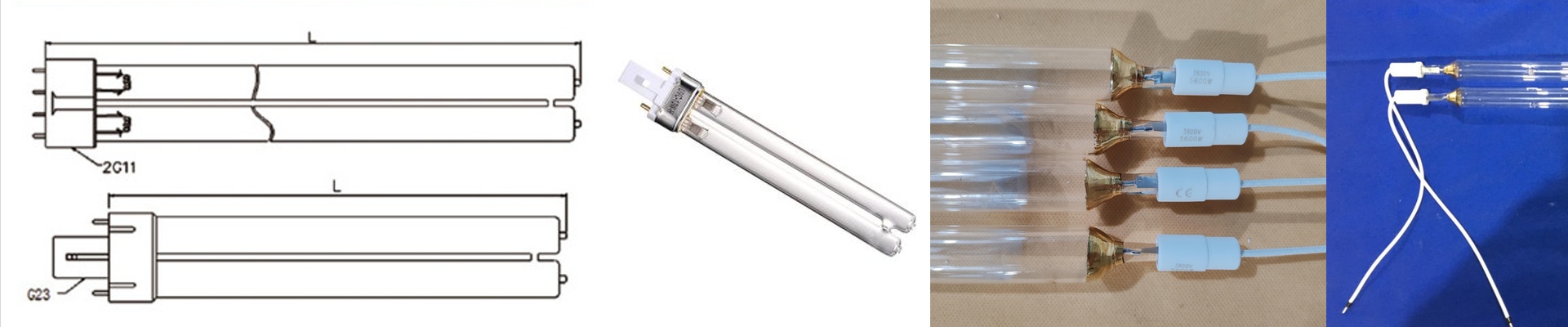
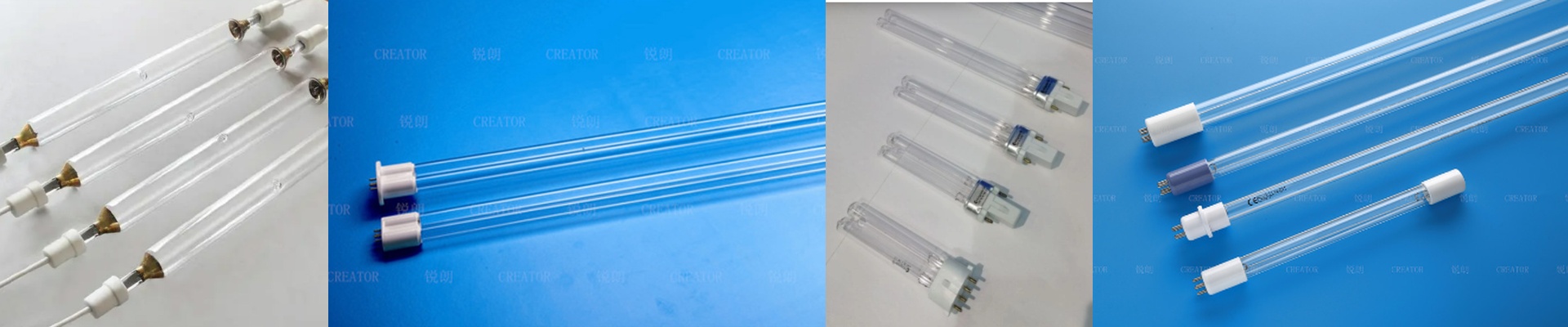
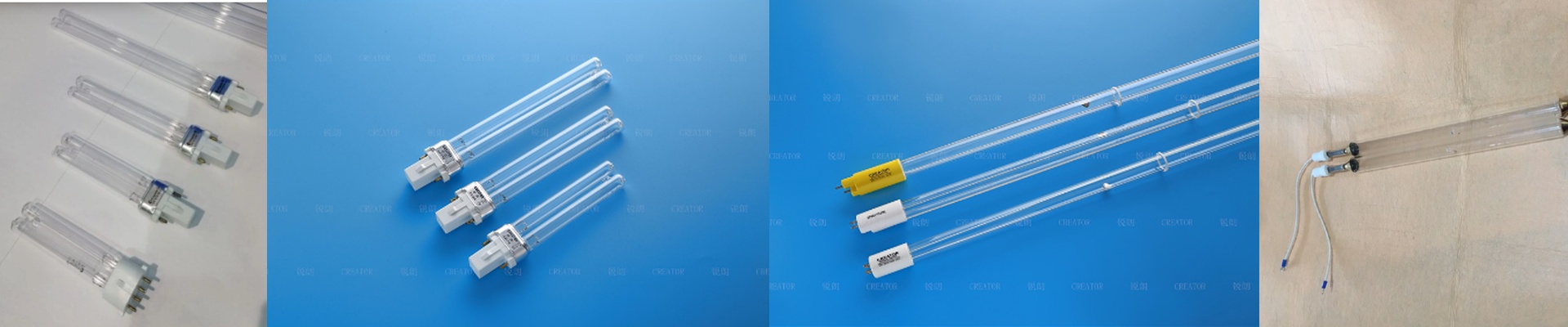
We started with a high-purity quartz tube, chosen because it can handle the intense heat of the UVC arc without breaking down. Inside, the gas mixture is calibrated to push UVC output as high as it can go. And we paired all of that with a solid R7s connector—an industrial standard for a reason. It gives you secure, high-current contact and installs quickly, without needing tools. Together, the setup can take the heat cycles of continuous operation without flickering or burning out early.
Where this shines—and what to watch for
This configuration was made for industrial spaces where reliability isn’t optional. The energy-saving design helps keep operating costs down, but the real payoff is consistency: stable, high-intensity UVC output, shift after shift. It’s designed as a straightforward swap-in for legacy systems, with a tighter spectral focus. But here’s the catch: the lamp runs hot. So your equipment’s cooling has to be sized right to handle the heat. We built it tough—just make sure your setup is ready for it.