
Introduction
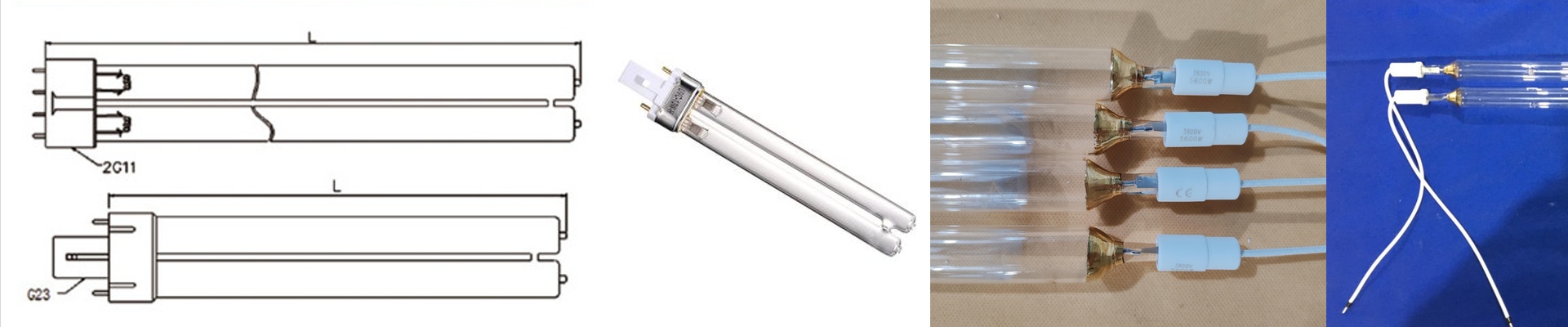
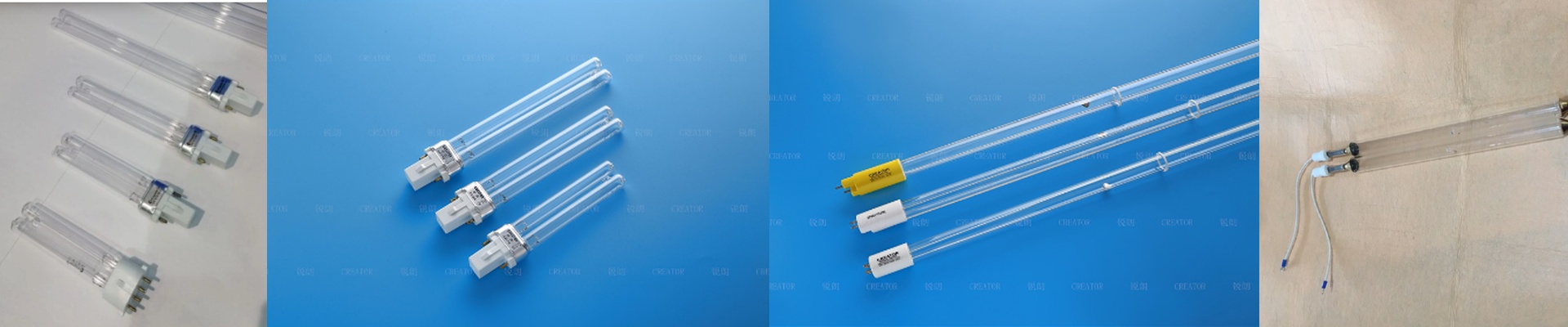
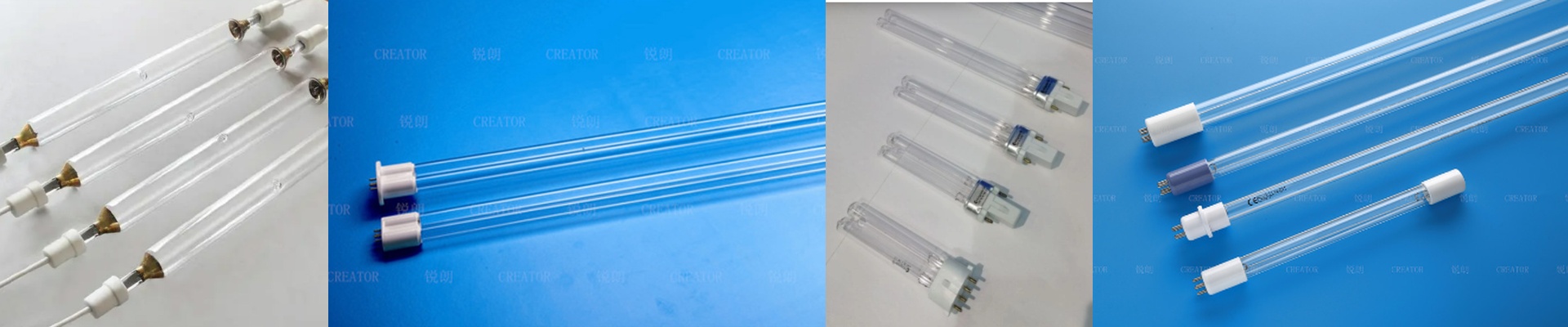
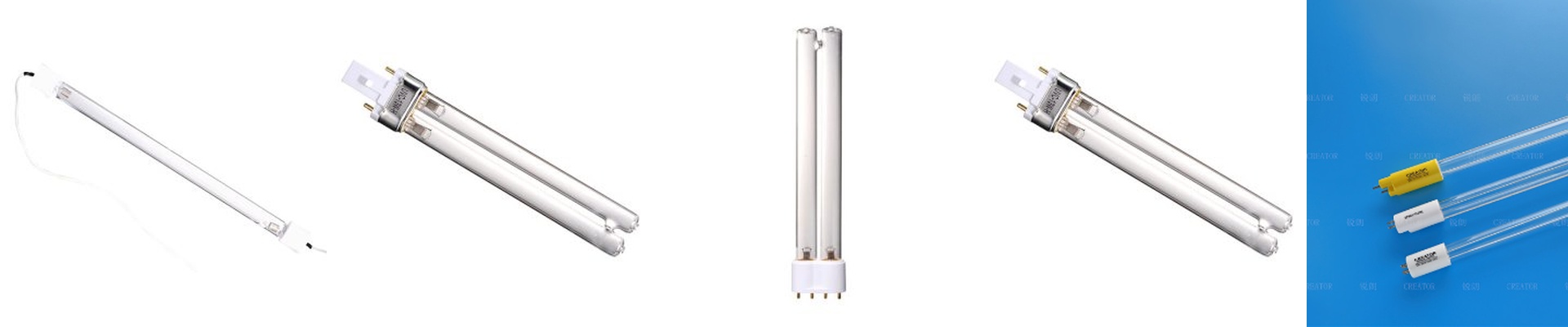
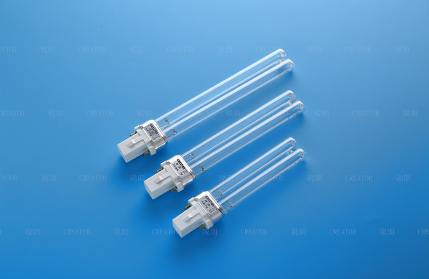
After spending serious time on the floor of over 3,000 printing plants, one thing became crystal clear. When you’re talking UV curing on a modern production line, there’s one non-negotiable: it has to be brutally powerful and absolutely dependable. So, we built our UV lamp around one simple idea: a high-power halogen lamp that can keep up with the relentless pace of 24/7 automation. This isn’t some everyday bulb. It’s a purpose-built workhorse, designed to slide right into your automated machinery and get the job done.
The Nitty-Gritty
On an automated line, the lamp has to move at the machine’s speed. That’s why we went with a 400V high-voltage system. It’s what you need to push the 2500W power density required for instant curing. This voltage rating keeps the lamp running strong, even over long stretches, so you get a stable arc without any frustrating voltage drops. Then there’s the size. We made the tube 300mm long for a reason. It fits perfectly into standard curing chambers, so you don’t have to redesign the whole machine. It’s a simple, drop-in replacement that gives you the intense heat you need, right where you need it.
What’s Inside
At the heart of this system is the halogen element, tucked inside a tough quartz tube. The halogen cycle is the secret sauce here. It lets the filament run hotter and brighter for longer, giving you consistent UV output for thousands of hours. This design just flat-out resists the burnout you get with standard lamps. And for the connection, we chose the R7s connector. It’s a practical, no-nonsense choice. It provides a secure, two-ended contact that handles high current without getting hot itself. It’s a rugged, proven interface that’s easy to wire up and holds its connection, even when the whole machine is vibrating from high-speed operation.
What It Means for You
This whole setup is built for the grind of industrial printing and curing. The 2500W output delivers the kind of heat density that instantly cures inks and coatings on substrates flying by. It slides right into your automated systems, which means you spend less time swapping things out and more time running. But here’s the thing about that kind of power—it runs hot. You need to make sure your machine’s cooling system is up to the task. You’ll need proper airflow or liquid cooling to manage the temperature and protect the parts nearby. Get the balance right, and this lamp will run hard, cure fast, and keep your whole line moving.