
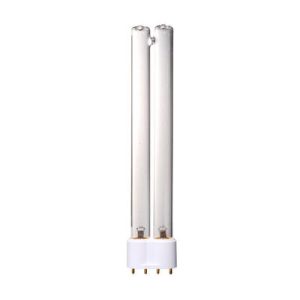
Introduction
When we build UV lamps for PCB manufacturing, we’re really building them for the folks on the factory floor—the OEM and ODM partners who need gear that just works. The whole point is simple: give you a steady, high-intensity energy source that cures solder mask cleanly, even on those delicate, fine traces. No under-cured spots. No scorched boards. Just a clean, reliable process.
Power, Voltage, and Fit
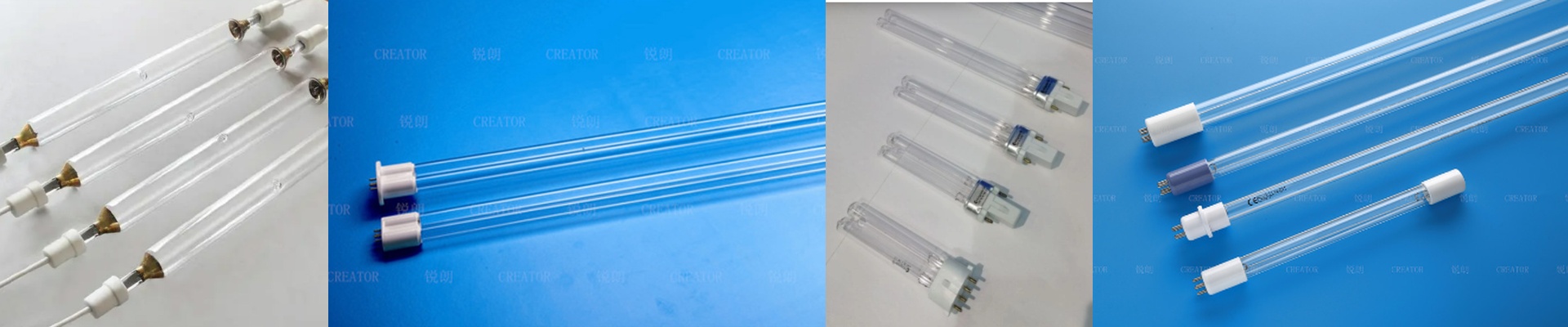
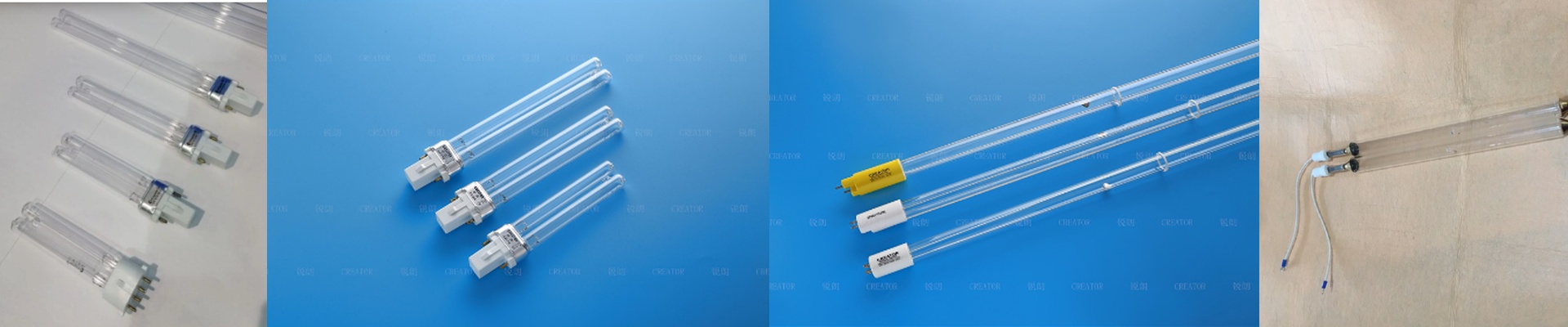
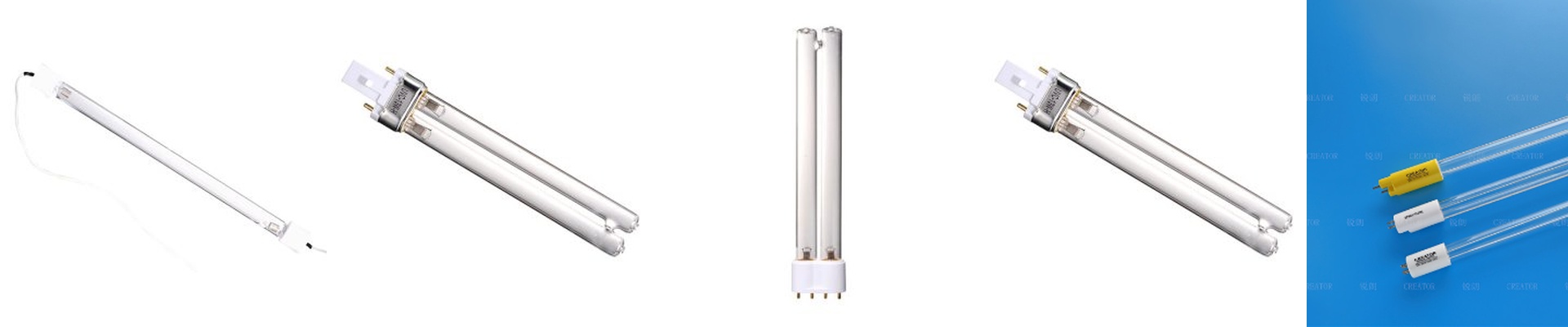
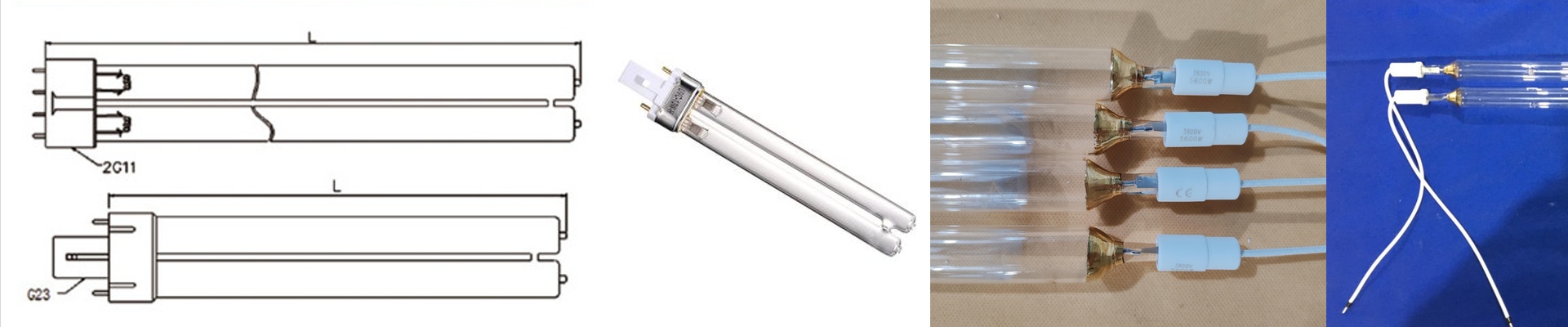
Here’s the thing about UV lamps in a production line: they need to be repeatable, and they need to fit. We spec our lamps to deliver consistent output inside tight machine footprints. A high-voltage design pushes the arc hard, giving you the peak intensity needed for fast curing on dense boards. And the tube length? It’s chosen to match the curing window exactly. Long enough to cover the whole board profile. Short enough to keep the footprint small. Power density is tuned so the lamp hits the right wavelength with enough punch to fully set the resist—even between those closely spaced lines.
Keeping It Cool, Making It Easy
UV tubes run hot. That’s just reality. So we manage the heat without sacrificing output. We use coated quartz to control the spectral output and keep transmission steady. That coating also helps stabilize temperature across the tube surface, so performance stays even. For installation, we stick with standard connectors like R7s. That means a straightforward, drop-in fit into your existing fixtures. Less changeover time on the line. Less hassle integrating into your OEM equipment.
The Payoff: Cleaner Boards, Fewer Headaches
On fine-line PCBs, solder mask adhesion falls apart when the energy is uneven or too low. Our UV lamp setup gives you uniform intensity across the whole board. The resist sets completely, right up to the trace edges. The result? Cleaner edges. Fewer rejects. Less rework. But there’s a trade-off: higher power density means you need proper cooling and shielding. Treat the lamp like what it is—a high-energy component, not just a bulb—and your process stays on spec.