Dealing with Electrical Noise in Industrial UV Sterilization
If you’re running a few massive printing presses in one shop, you know exactly how “noisy” the electricity gets. Those heavy motors and high-frequency drives throw off a ton of electromagnetic interference (EMI). It’s just the nature of the beast. But here’s the problem: if your UV bulbs aren’t built for that kind of chaos, they start acting up. You’ll see them flicker, the electrodes will burn out way too early, or the ballast will just give up the ghost entirely. It’s a headache nobody needs.
How we stop the flicker
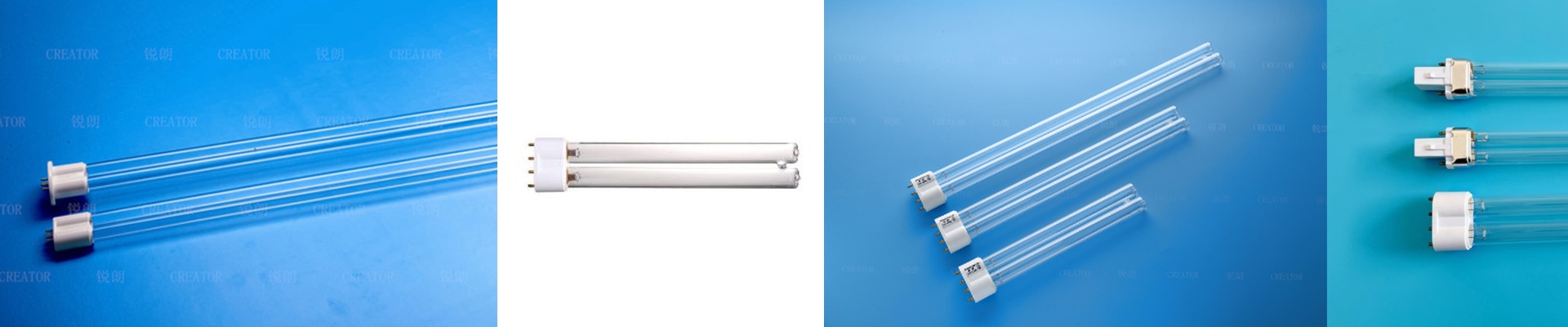
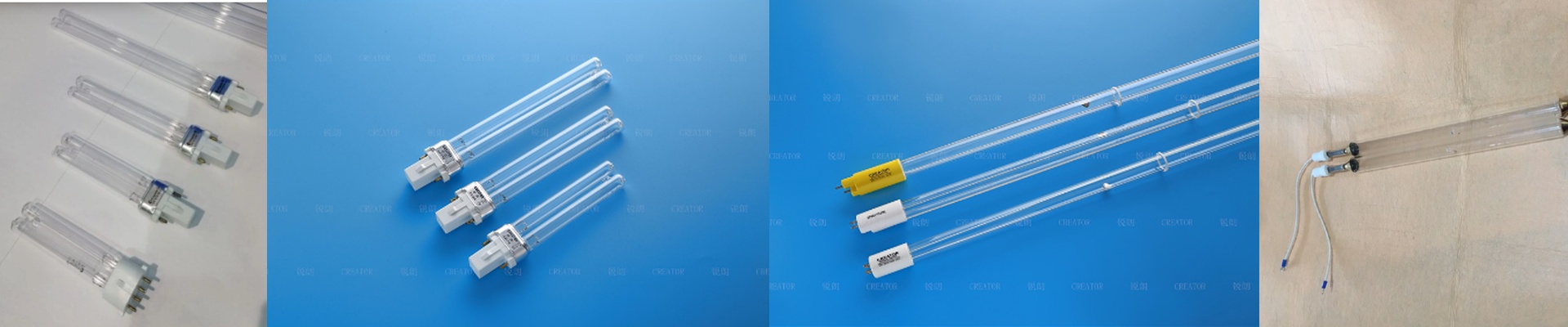
We design our bulbs to keep a steady arc, even when the power grid is screaming with electrical noise. Most standard bulbs just can’t hack it in a printing plant. The EMI messes with the ionization process, making the lamp struggle to stay on. We fixed this by tweaking the gas mixture and the way the electrodes are shaped. The result? The lamp strikes fast and stays lit. But the bulb is only half the story. You need the right pairing. We spec our bulbs to work with filtered power supplies that block those high-frequency spikes. It stops that annoying “stutter” you get with cheap setups the second a nearby press kicks into high gear.
Making it work on the floor
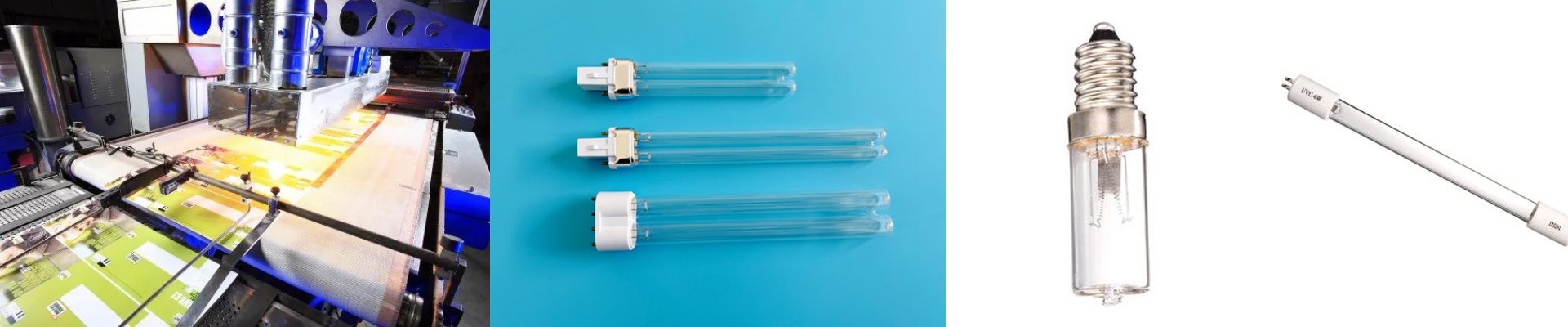
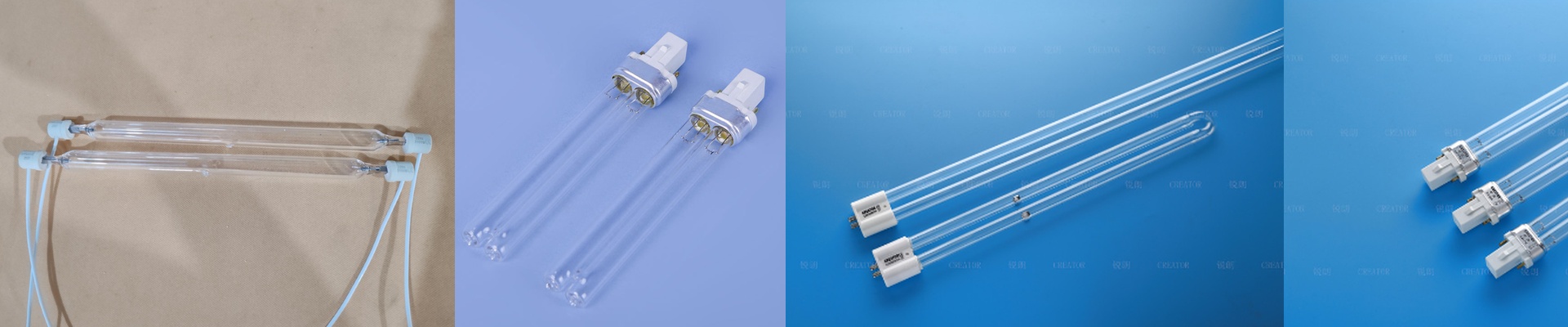
In a press room, your UV system is usually there for curing or sterilization. You’ve got massive inductive loads humming right next to your gear. To handle that, we use reinforced insulation and a very specific quartz wall thickness. It keeps the system from breaking down when things get electrically intense. And please, don’t forget about the heat. Our bulbs can handle the electrical noise, but they still put out a lot of thermal energy. If your airflow isn’t dialed in and the housing traps that heat, the quartz is going to degrade. It doesn’t matter how stable your power is if the bulb is baking in its own heat.
The honest trade-off
Here is the catch: better EMI resistance usually means beefier ballast components. That means your power supply takes up more room. You’re trading a bit of cabinet space for a lot more uptime and bulbs that actually last. For anyone running a big operation, it’s the only way to stop the endless cycle of maintenance calls on the shop floor. It just makes life easier.