
Stop Guessing if Your UV Lights are Actually Working
Most bulk UV-C setups are basically black boxes. You flip a switch, the lights glow, and you just hope they’re actually killing the germs. Then, one day, you do a manual check and realize a bulb burned out weeks ago. It’s a stressful way to run a facility. We’re fixing that by putting remote energy monitoring right into the lamp circuitry.
The science (made simple)
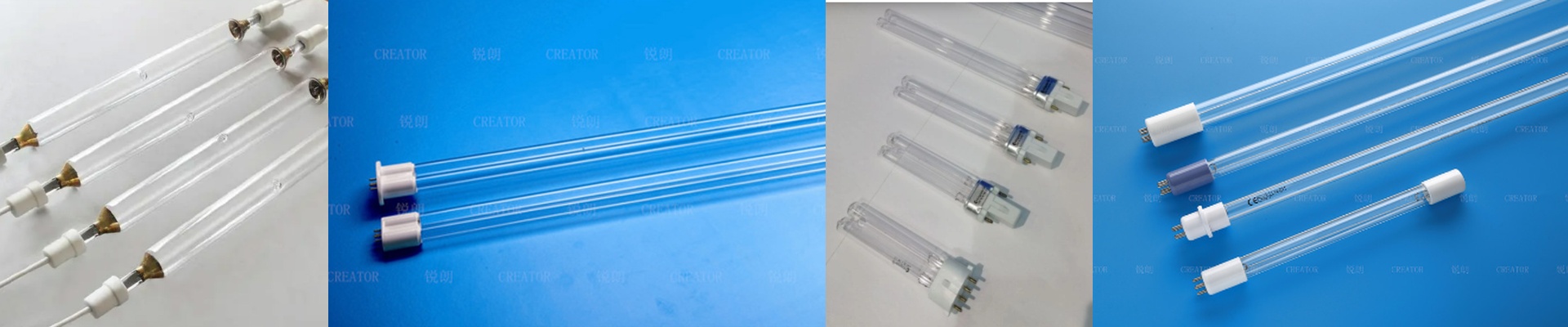
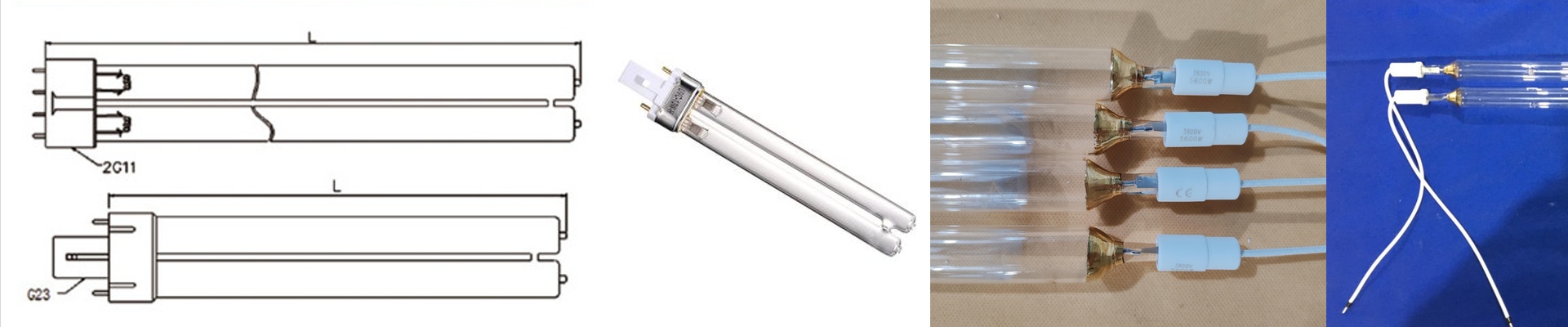
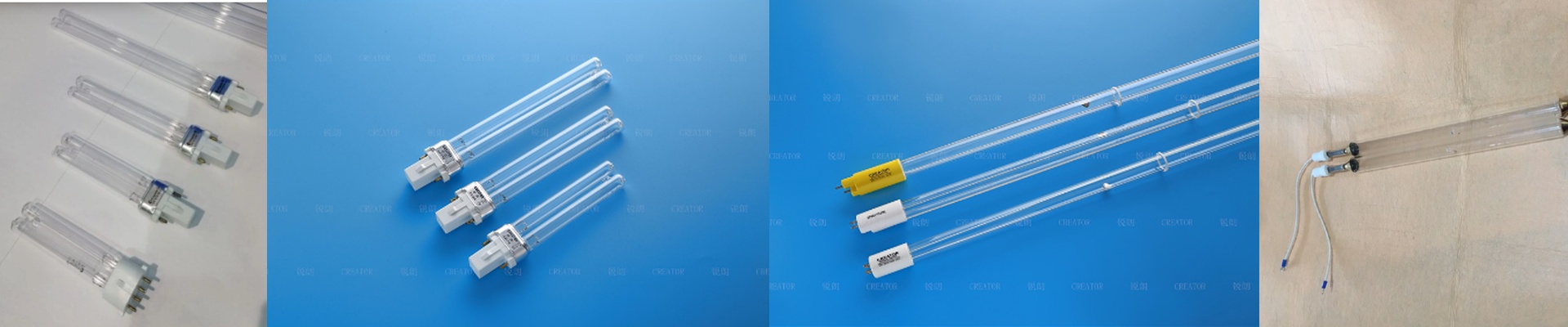
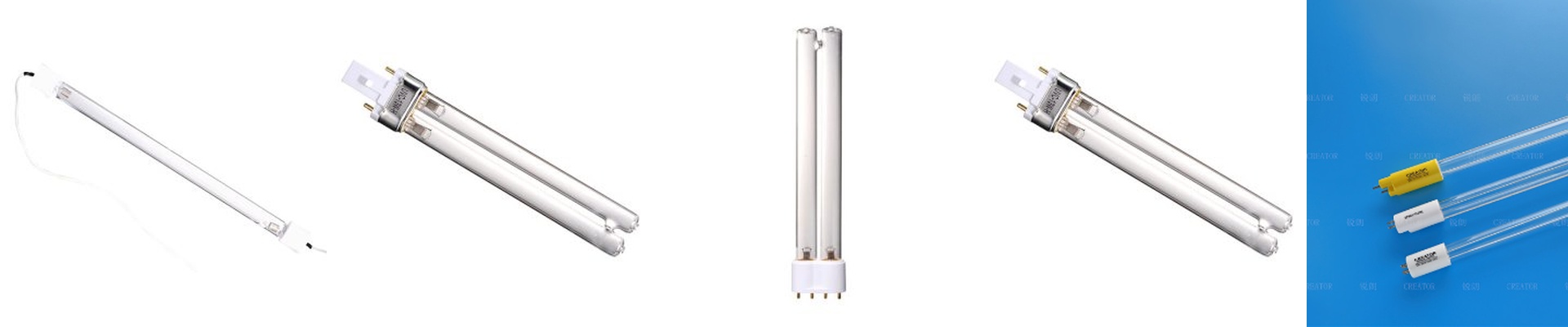
Here is how it works: these germicidal bulbs need a very specific mercury-vapor discharge to hit that 253.7nm sweet spot. When you’re dealing with a massive installation, you need every single bulb pulling the same wattage and voltage to get a consistent dose. By tracking the current draw in real-time, we can actually “see” the lamp wearing out. If the power consumption dips, it usually means the electrode is shot or the quartz glass is getting dirty. You’ll know it’s failing before it actually dies.
Ditching the manual checklist
Adding a bit of IoT tech means you can see exactly how many kilowatt-hours each bank of lamps is using. It’s a huge relief. You can spot a dying ballast before the bulb pops. Instead of blindly replacing every light every 9,000 hours—even if they’re perfectly fine—you just look at the dashboard. You replace them when the data tells you to. Simple.
The catch
Now, it’s not all magic. There is a trade-off. Adding this hardware means your electrical cabinet will be a bit more crowded. You’ll also need a steady network connection and a gateway to handle all that data. It definitely adds a few more wires to the mix during the initial setup.
Thinking big
For those of you building out massive systems, this is where it gets interesting. You get a central kill-switch and the ability to balance the load. If a zone is empty, you can just shut the power off remotely to save on your electric bill. It stops being a “set it and forget it” tool and starts acting like a smart asset you actually control.