
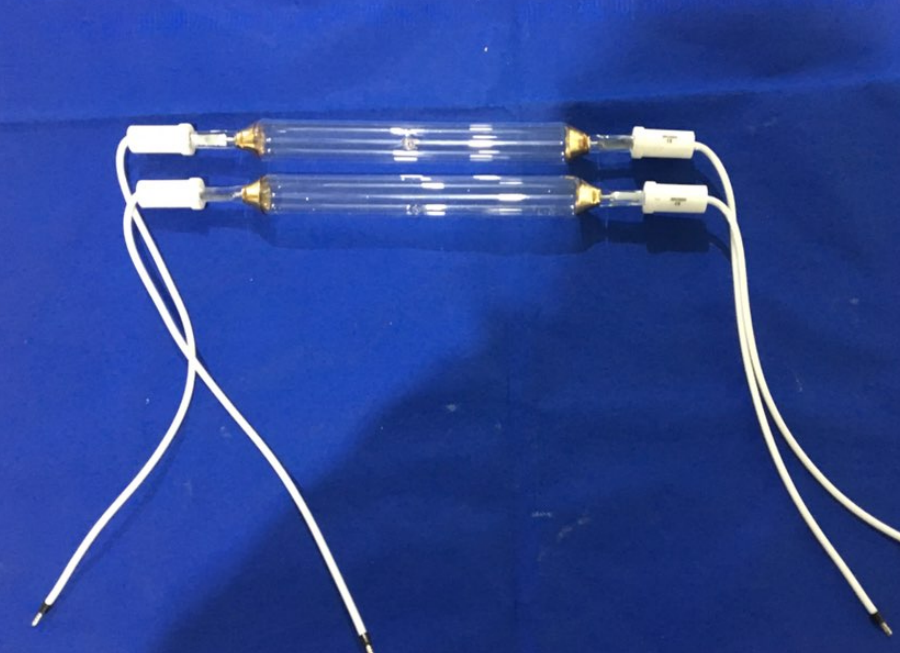
The Real Deal on Building UV Germicidal Lamps
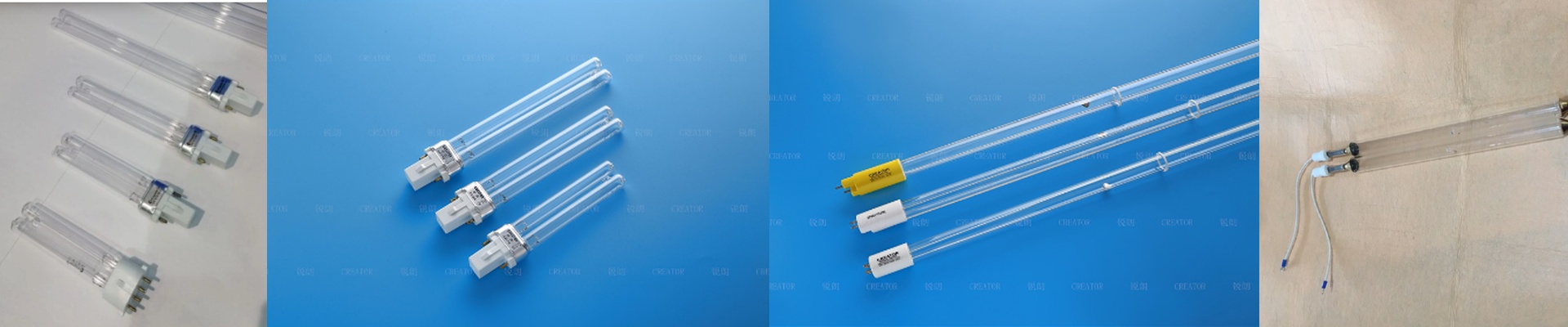
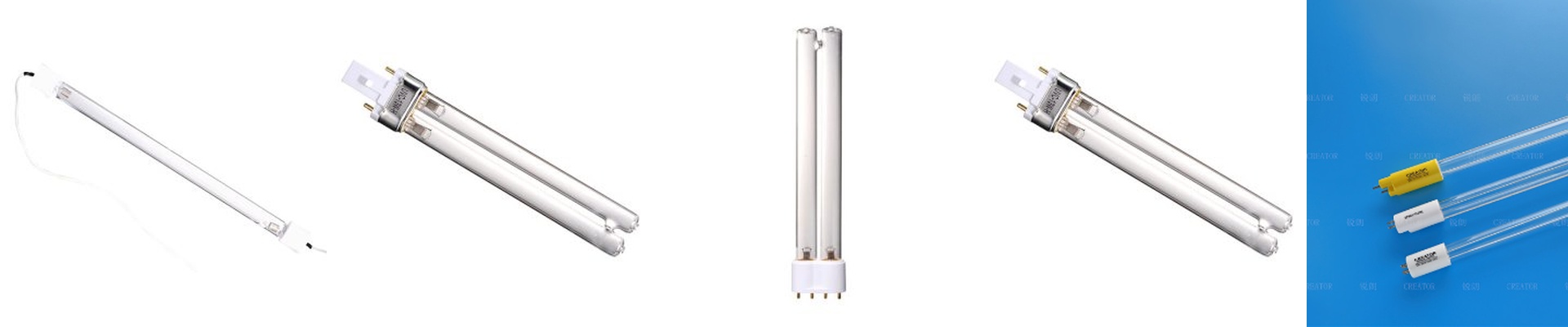
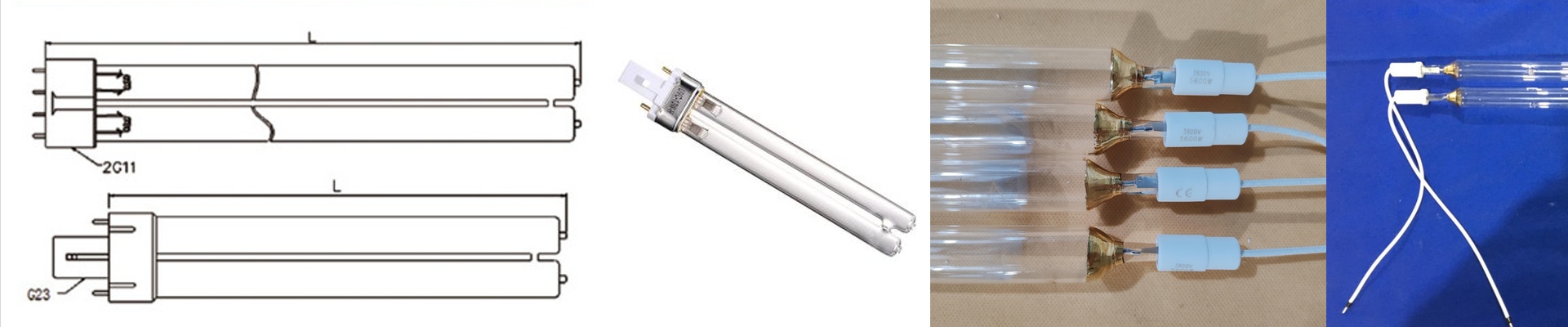
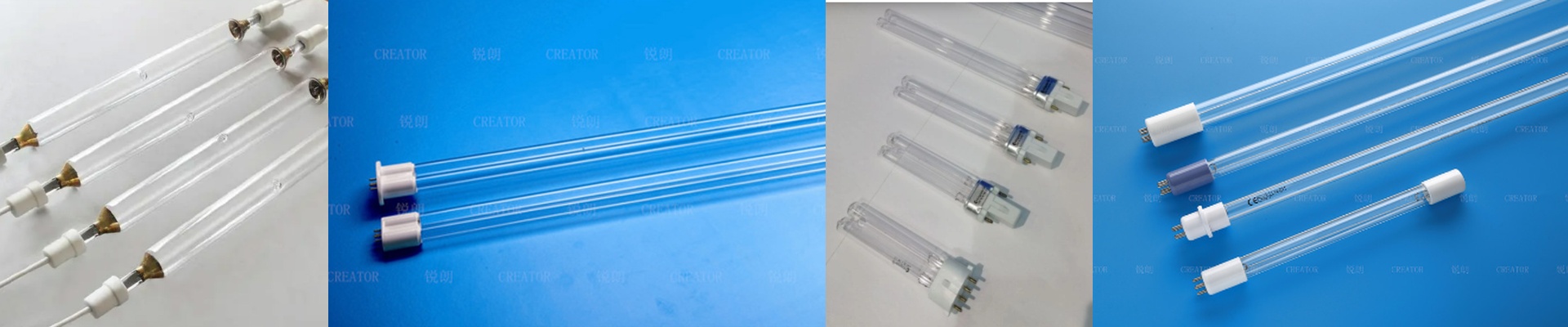
Most people look at a UV-C lamp and see a glass tube with a wire inside. But after 15 years of doing this, we know it’s way more complicated than that. It’s really about hitting one specific target: a 253.7nm wavelength. If you’re off by a bit, it just doesn’t work. We’ve spent a decade and a half tweaking our process to make sure our lamps hold up just as well as the big-name international brands. It all starts with the glass. We use high-purity synthetic quartz because regular glass just eats the UV rays. If the quartz is dirty or cheap, the lamp burns out way too fast, or worse, it doesn’t put out enough power to actually kill anything. We’re obsessive about this. We want the light to be strong and steady from one end of the tube to the other, not just a bright spot in the middle. Then there’s the electrical side of things. Voltage spikes are the enemy. They kill lamps. That’s why we build our ballasts to soak up those fluctuations so the light doesn’t flicker. Flickering isn’t just annoying—it actually wears down the electrodes. Plus, we’ve tightened up the seals on the end-caps. If the gas leaks, the pressure drops, and the whole thing fails. One quick warning, though:**UVC is dangerous.**It’ll burn your skin and damage your eyes in a heartbeat. That’s why our lamps are built to fit snugly into shielded fixtures. Don’t take shortcuts here. The big trade-off: Power vs. Lifespan Here’s the thing. If you crank up the wattage, you kill germs faster. Sounds great, right? But more power means more heat. Too much heat leads to “solarization”—that’s when the quartz starts looking cloudy and milky. We’ve found a sweet spot. We balance the power so you get the kill rate you need while still getting 8,000 to 10,000 hours of use. Just a heads up: if you try to push these lamps to 110% to speed up your production line, you’re going to lose about 20% of your lifespan. It’s a simple trade.