

Getting Gallium Iodide UV Lamps Right
Let’s talk about Gallium Iodide (GaI) lamps. Most people just see “UV light,” but if you’re in the weeds of photochemical reactions, you know that a broad spectrum is basically wasted energy. You don’t need a floodlight; you need a laser-focused strike.
The struggle for that 0.5% window
Here’s the thing: most UV lamps you can buy off the shelf are “leaky.” They bleed energy all over the place. Our R&D team wanted to stop that. We chased a 0.5% spectral energy concentration, which is a fancy way of saying we packed almost all the power into one razor-thin peak. It sounds simple on paper, but it was a nightmare to build. If the gas fill pressure is off by a hair, or if the gallium iodide isn’t pure enough, the whole thing drifts. We spent months just messing with vacuum seals and filling processes. It was a lot of trial, a lot of error, and a lot of frustration. But it worked.
The catch (and the hardware)
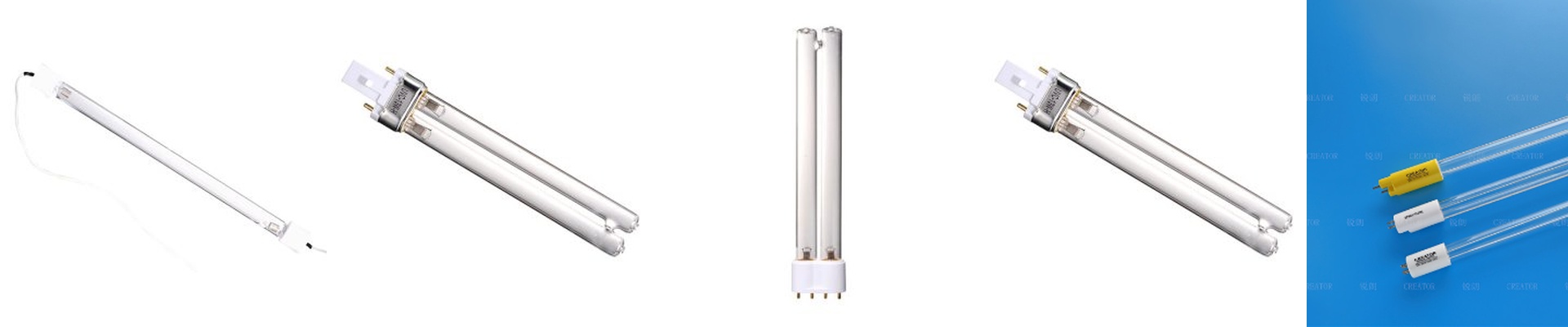
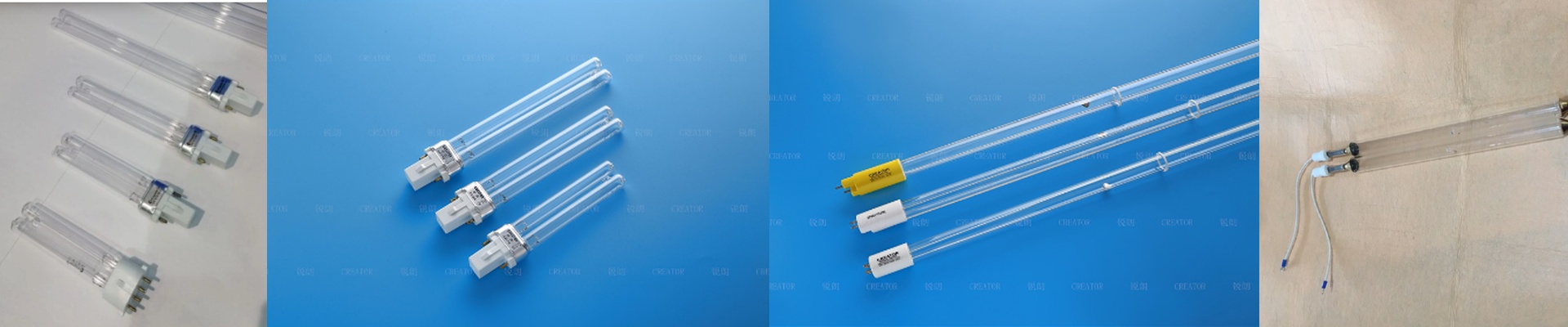
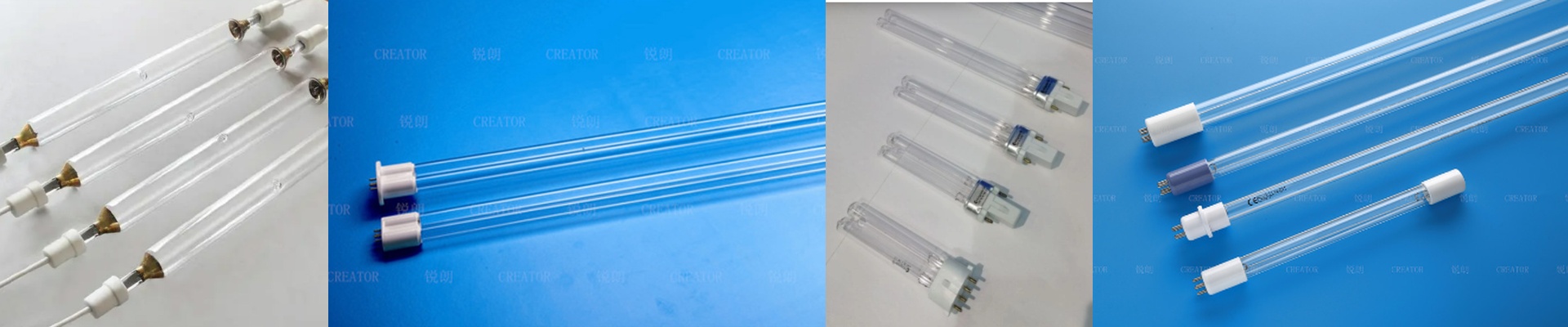
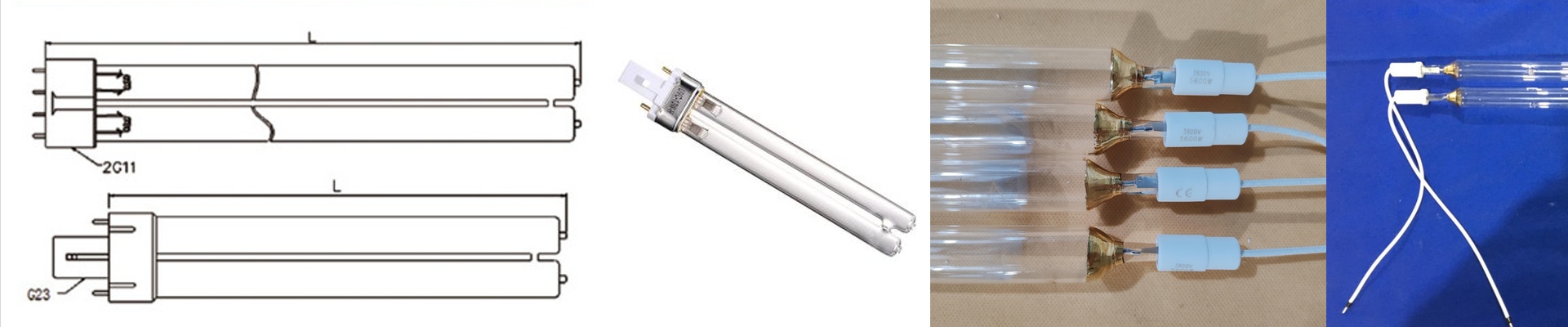
To make this happen, we use high-purity fused quartz. If we didn’t, the glass would just soak up the UV light before it even left the lamp. But there is a trade-off. When you cram that much energy into such a narrow band, things gethot. Really hot. If you try to run these at max wattage without a solid cooling jacket or some serious airflow, you’re going to fry your electrodes. You get that incredible precision, but you have to be disciplined about how you manage the heat.
Putting them to work
We built these to be easy. They should slide right into your spectroscopic gear or industrial curing lines without a fight. The real win? You stop wasting heat on your substrate and the reactions happen faster. You’re finally putting the photons exactly where they need to be.