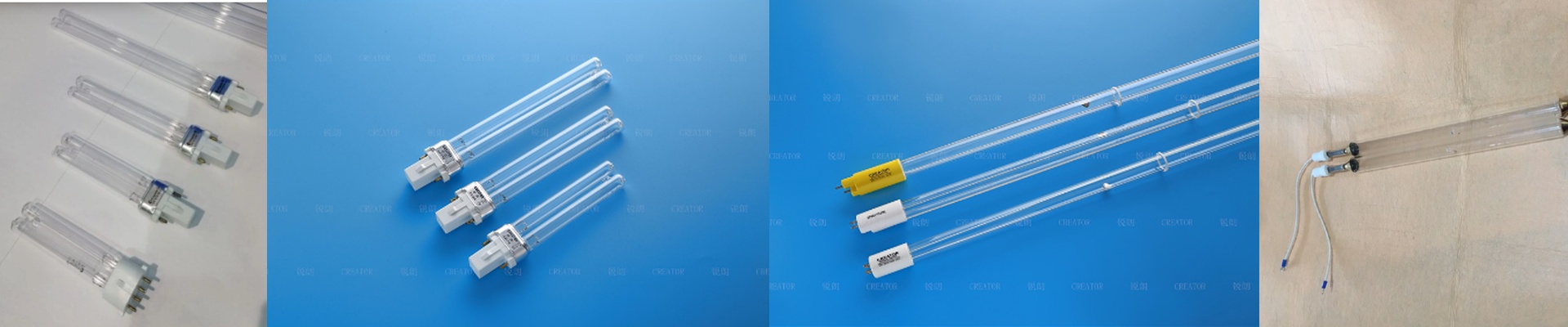
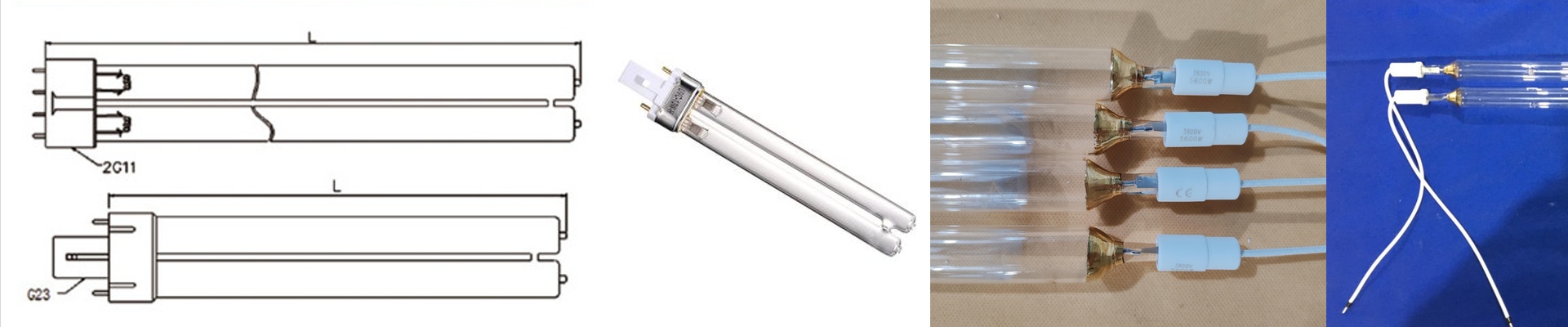

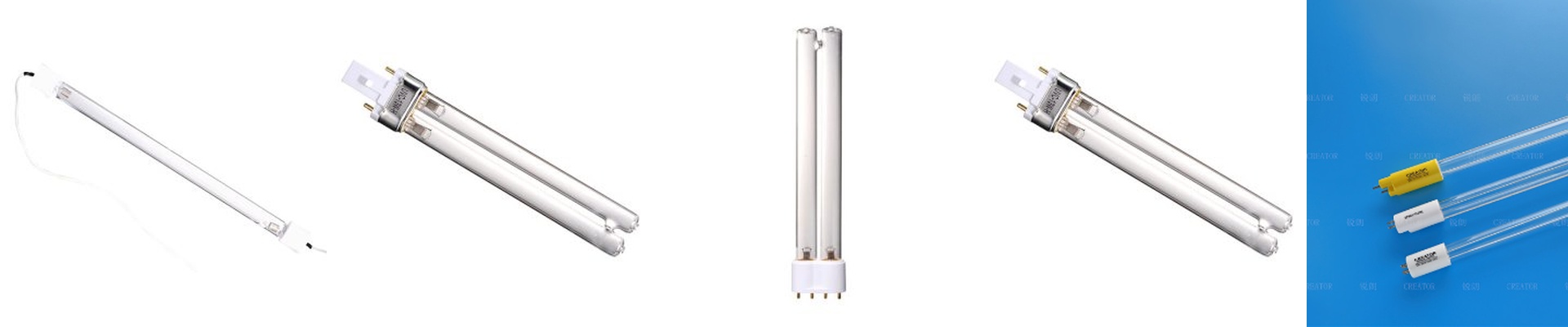
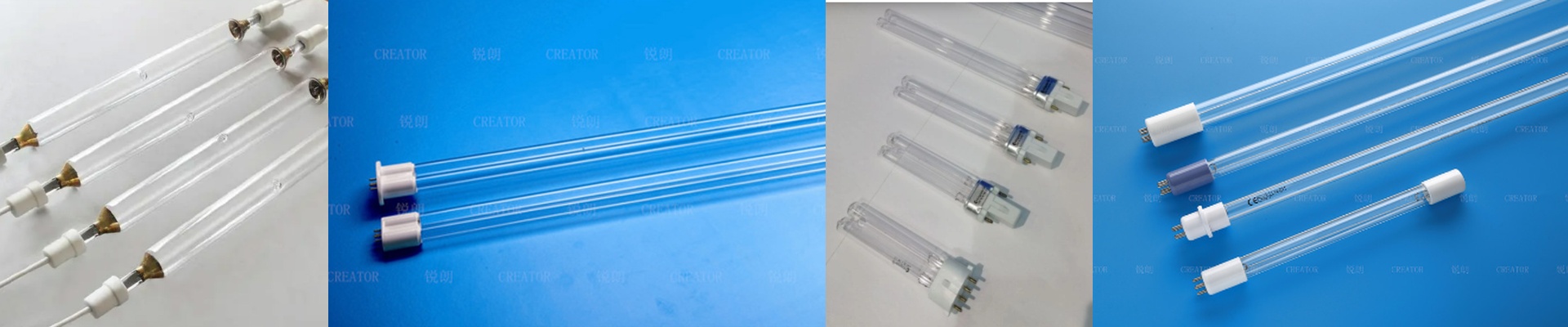
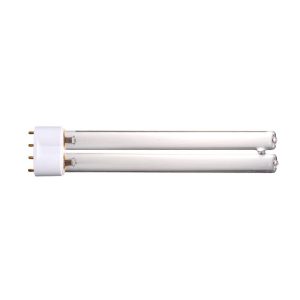
Let’s Talk About the 80W/cm Mercury UV Lamp
If you’re running an industrial curing line, you probably already know the 80W/cm mercury lamp. It’s basically the old reliable of the shop floor. We build these to hit that sweet spot where you get a fast turnaround without accidentally melting your materials. At 80 watts per linear centimeter, you’re getting a heavy hit of UVC and UVB. That’s exactly what your inks, coatings, and adhesives need to actually set and harden. The Heat Trade-off Here’s the thing: that 80W/cm number isn’t just a technical spec on a sheet. It’s what tells you how fast your line can move. Sure, more power means you can crank up the speed. But there’s a catch. More wattage means more infrared heat hitting your product. If you’re working with thin films or plastics that get moody when they get hot, you’ve got to get your cooling sorted. I’ve seen too many engineers jump to higher wattage tubes and forget about the heat sinks. If you don’t have chilled air or water jackets in place, your substrates are going to warp. And that’s a headache nobody wants. How it Actually Works Inside the lamp, we use low-pressure mercury discharge to get those primary emission peaks. We wrap it all in a quartz envelope that lets the UV light through while keeping the mercury contained, even when things get scorching hot. One tip: make sure your power supply is rock solid. If the power flickers, you’ll end up with those annoying “stripes” on your finished parts where the cure wasn’t even. It ruins the look and the quality. Getting it Up and Running These are designed to be simple drop-in replacements. Most standard curing ovens will take them without a fuss. Just double-check that your ballast matches the voltage and current requirements. If you under-power the lamp, the cure won’t go deep enough. If you push it too hard? You’ll fry the electrodes way sooner than you should. We’re confident these hold their own against the big global brands. If the cure rate isn’t hitting the mark, we’ll give you your money back. Simple as that. As long as you keep your reflectors clean, these lamps are built to take a beating in a 24/7 production environment. They just keep on working.