
On an automotive parts line, cycle time is the hard limit—no cutting corners on coating adhesion. Hybrid drying, IR preheat paired with UV curing, only works when the UV energy hits the photoinitiator exactly where it needs to. If the spectral output drifts, curing drags, and throughput falls off.
What matters, technically
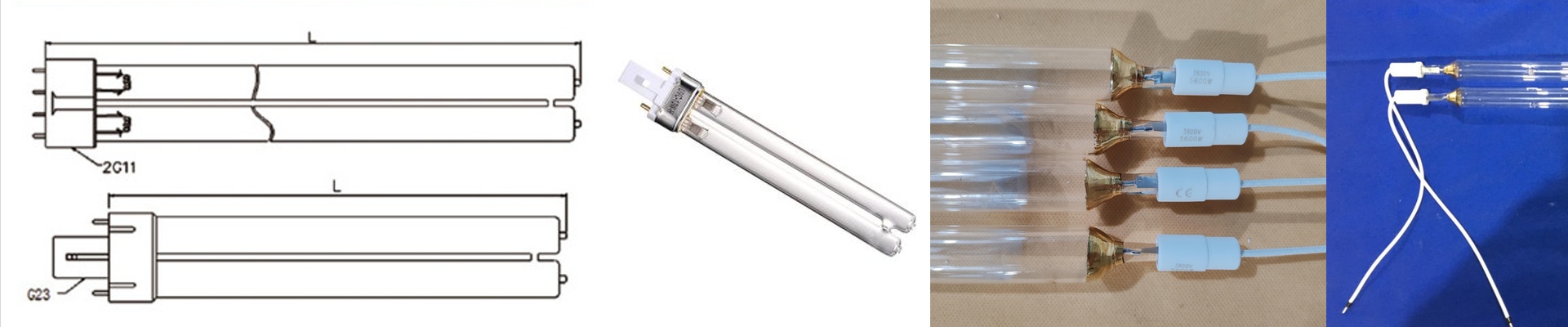
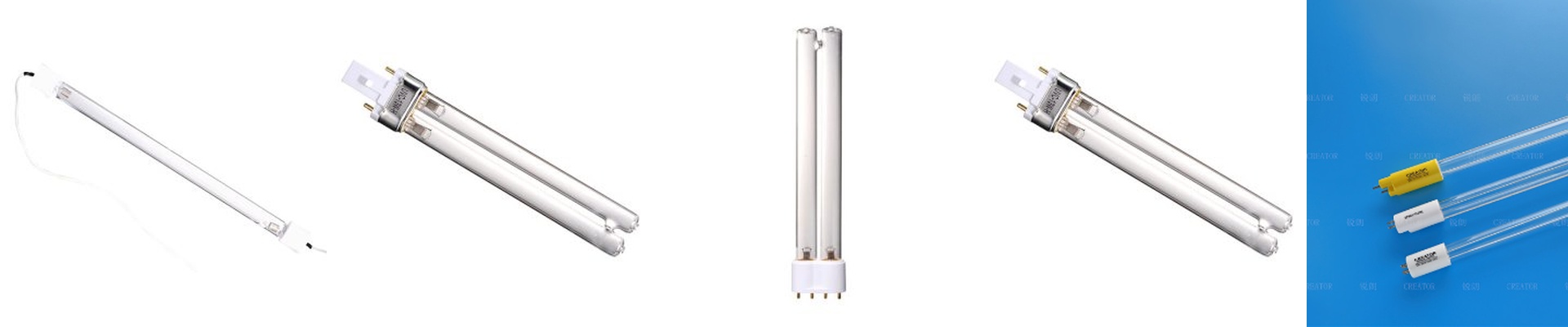
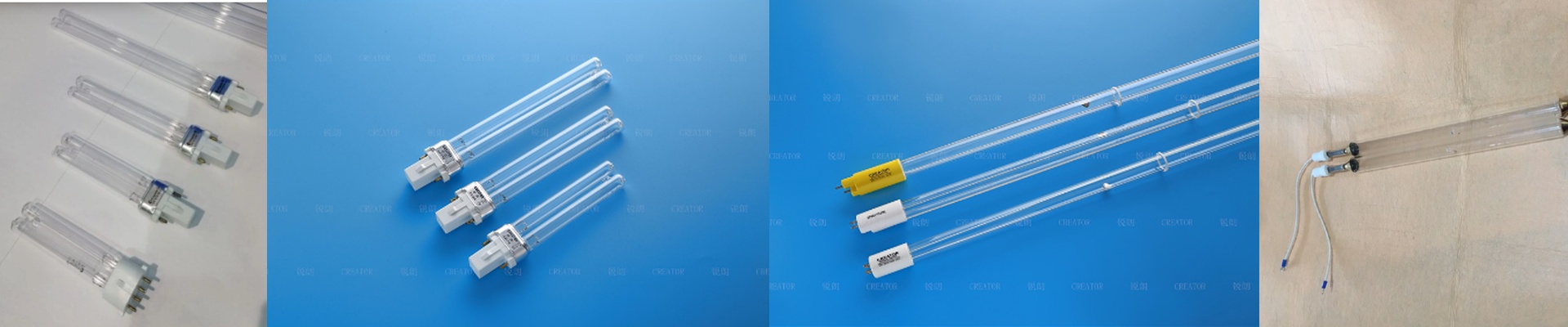
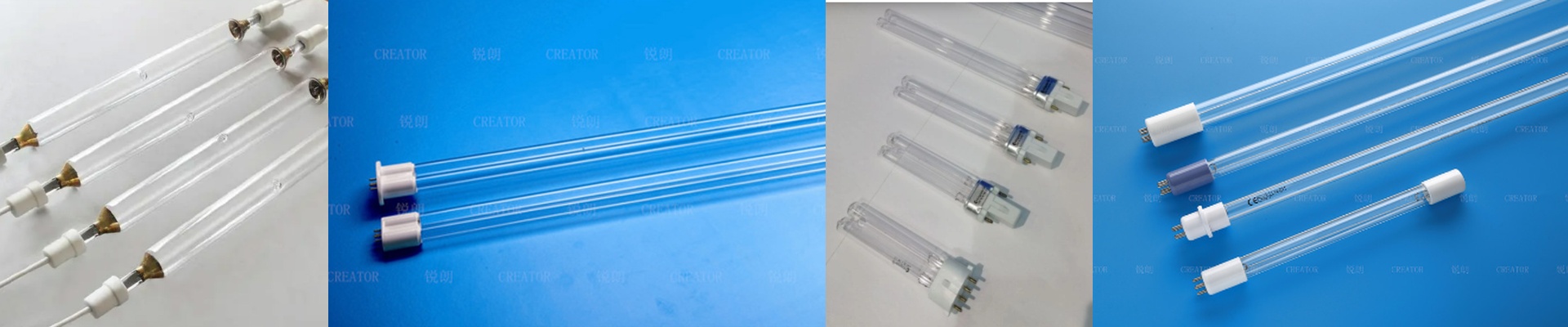
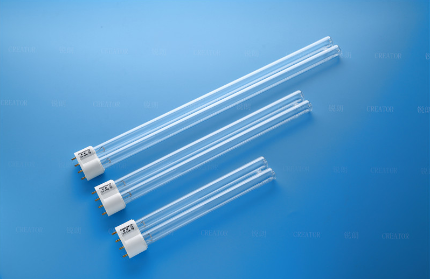
A spectral distribution gallium lamp pins the photoinitiator window with stable output at 365nm, and you can specify 385nm or 405nm peaks depending on the formulation. Peak irradiance at the substrate is typically 800–1200 mW/cm², delivered through a dichroic-coated reflector that shapes the beam and knocks down unwanted IR. Power density is tuned to 80–120 W/cm so the lamp keeps up with line speeds of 20–60 m/min. We track output stability in real time: keep variation under 3% over 8 hours, and target lamp life of 5,000–8,000 hours with controlled end-of-life spectral shift.
Why it works here
Automotive powder coating on metal components needs a uniform surface cure without cooking thin sections. The gallium lamp throws high photon flux in the narrow band that triggers cross-linking, while the IR stage handles the bulk heating. That split lowers total energy draw, shortens dwell, and cuts the risk of warpage. You get consistent cure depth, repeatable adhesion, and fewer rejects from under-cured edges or thick zones.
The things you need to know
Hybrid integration demands tight optical alignment and matched spectral control. Make sure your reflector geometry and lamp positioning actually deliver the stated irradiance at the part surface, not just at the lamp. Confirm your power supply and shutter interface match the lamp’s ignition profile and cooling requirements. Also, specify ozone-free quartz envelopes if the curing zone is confined; otherwise, ventilation has to be stepped up to handle ozone generation at high irradiance.