
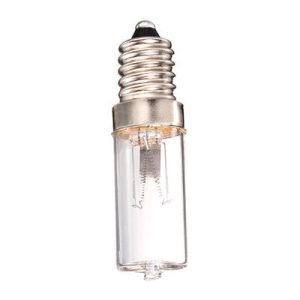
The Invisible Workhorse of Your Textile Line: Mercury UV Lamps
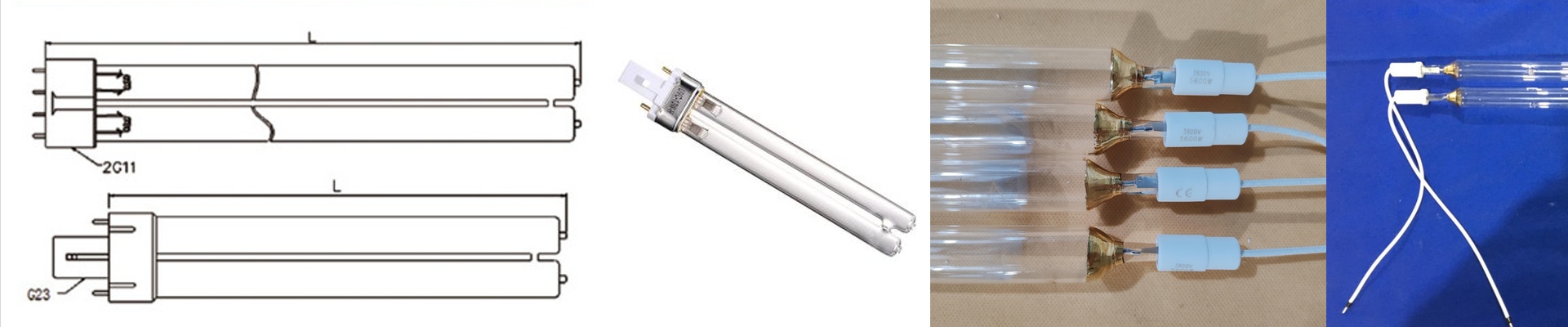
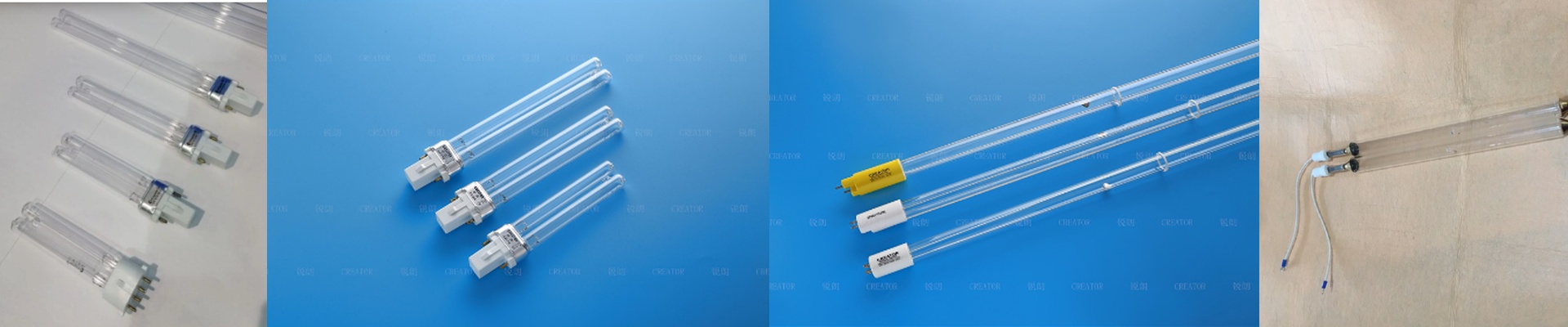
You probably never notice them, but mercury UV lamps are doing the heavy lifting in the background of almost every modern textile plant. Here is the deal: we use these lamps to trigger something called photopolymerization. That sounds like a mouthful, but all it really means is that we’re using light to turn liquid inks and coatings into solids in a matter of seconds. It’s a world away from those old, clunky thermal ovens that used to take hours to dry a single batch.
How the Magic Actually Happens
We stick with mercury vapor because it hits that sweet spot of UVC and UVB radiation. When you pump high voltage through the arc, the mercury atoms get excited and throw off photons—specifically at 254nm. That energy is what snaps the bonds of the photoinitiators in your inks. But you have to be careful. If your lamp’s wattage doesn’t match your belt speed, you’ll end up with “under-cure.” That’s the nightmare scenario where the ink just rubs right off the fabric. Not a great look.
Where They Actually Fit In
You’ll usually see these lamps popping up in three spots: First, there’sprinting and coating. UV lamps flash-dry digital inks on synthetics instantly. It keeps the ink crisp and stops it from bleeding into a blurry mess. Then you havefunctional finishing. If you’re adding water-repellents or flame retardants, you need UV curing to actually lock those chemicals into the fiber so they don’t wash out. And for the high-end medical stuff? We use shortwave UV to kill off microbes before the fabric ever hits the packaging.
The Messy Reality of Engineering
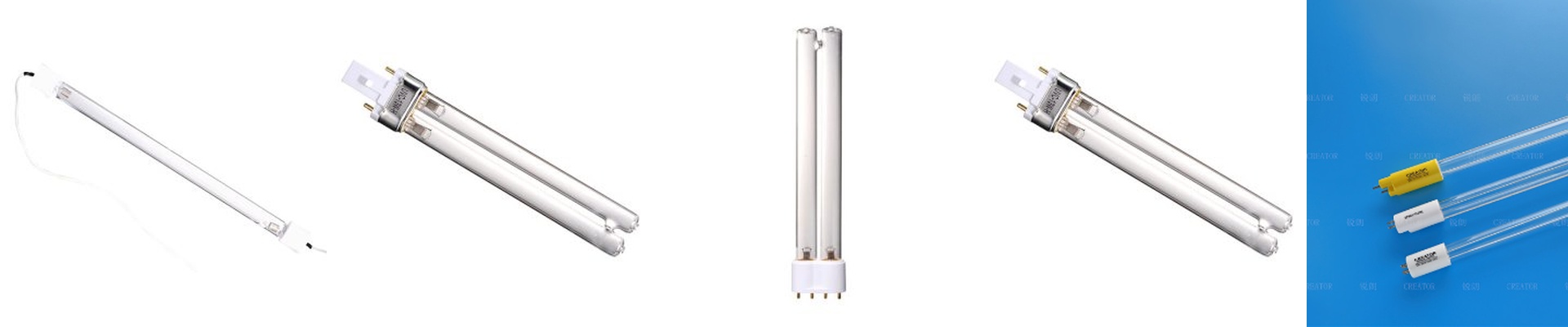
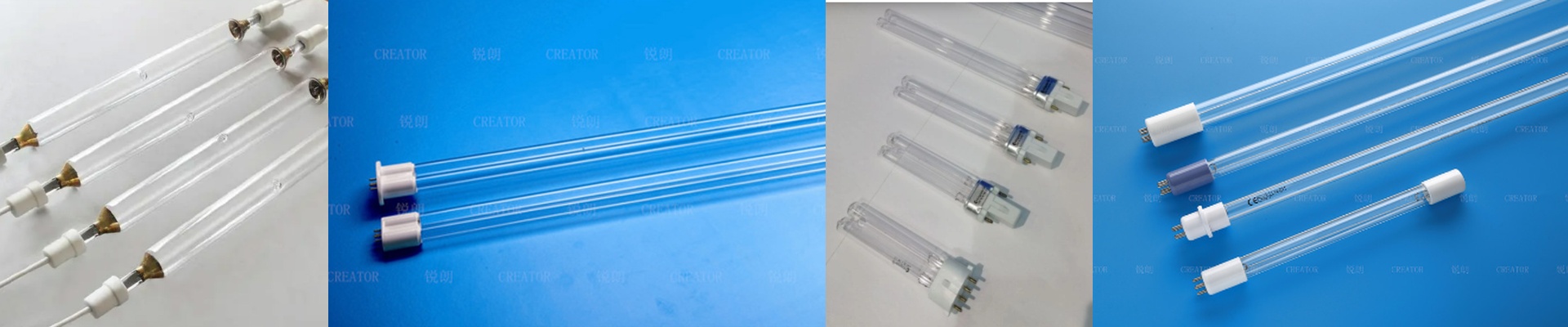
Now, these high-output lamps aren’t just light bulbs—they’re heat machines. You can’t just plug them in and walk away. If a cooling fan dies or your conveyor is sitting too close to the lamp, you’re going to scorch the fabric or warp the whole substrate. It’s a balancing act. We always suggest matching the irradiance (the mW/cm²) to how thick your coating is. If you over-do it, the fabric becomes brittle. It loses its soul. Plus, let’s be honest: replacing these tubes is a manual, hands-on job. That’s why we make them as simple drop-in replacements. We want you spending your time running your line, not fighting with hardware during downtime.