

Stop Trying to Force Generic UV Lamps into Your Machines
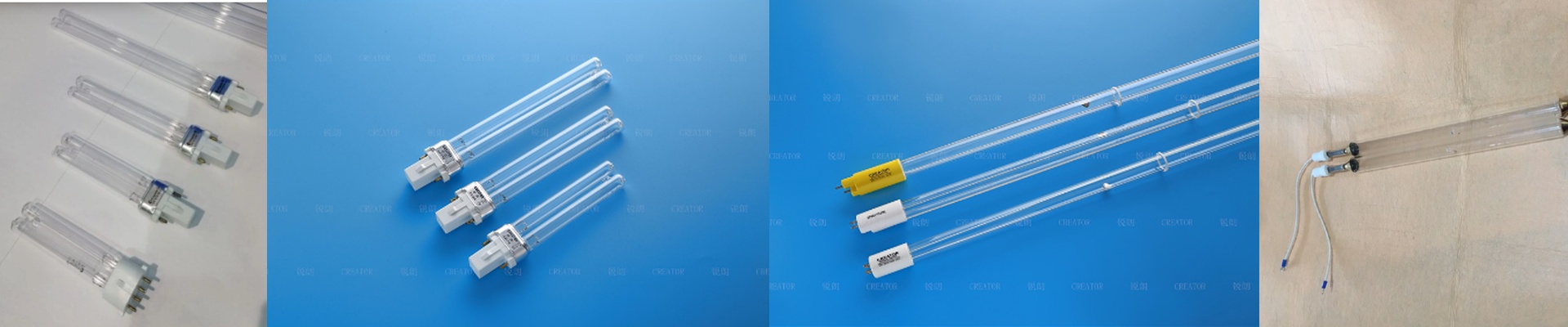
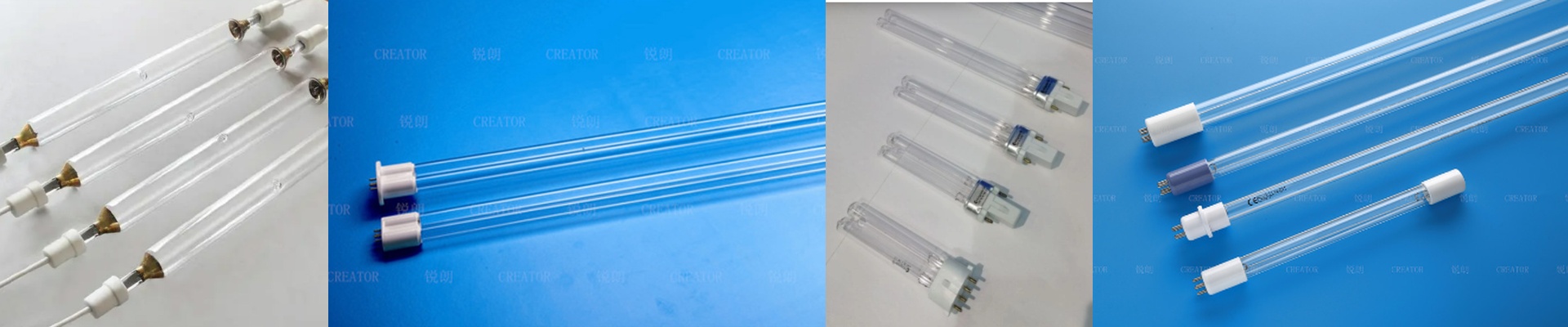
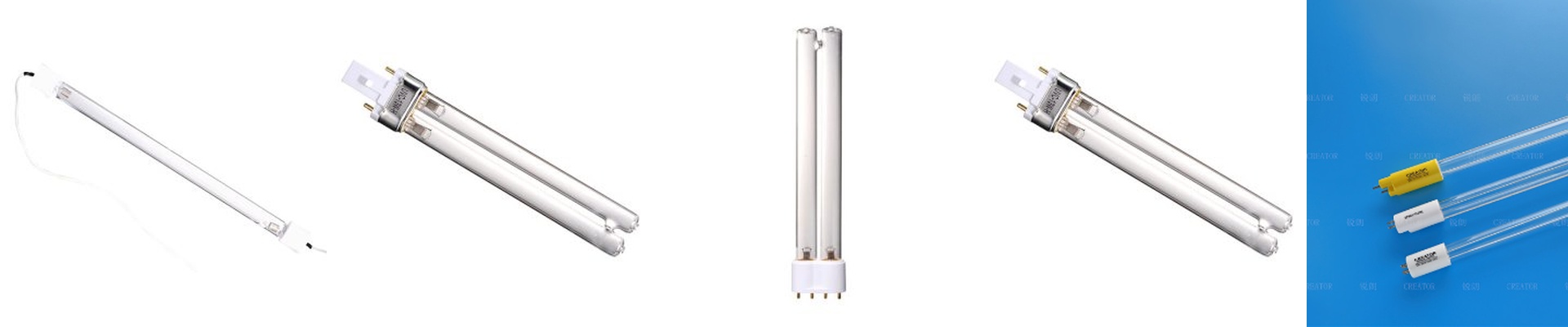
Let’s be honest: off-the-shelf bulbs are a gamble. You buy a generic lamp, slide it into your chassis, and hope for the best. But usually, it doesn’t work. Maybe it doesn’t fit the footprint, or it clashes with your ballast, or it runs way too hot for your housing to handle. That’s why we do things differently. We build UV lamps to your exact specs. Whether you’re ramping up a sterilization line or tweaking a curing station, you tell us the wavelength, the wattage, and the dimensions. We build it to fit your machine, not the other way around.
Getting the Power Right
Here is the thing about UV dose: it all comes down to the relationship between your voltage, wattage, and the length of the tube. If these are off, your lamp is going to burn out way faster than it should. If you need a massive amount of punch in a tiny space, we can crank up the wattage density for you. But a word of caution—make sure your power supply can handle that initial strike voltage. If it can’t, you’ll kill the lamp in a few weeks. It’s a frustrating way to waste money.
The Nitty-Gritty: Glass and Plugs
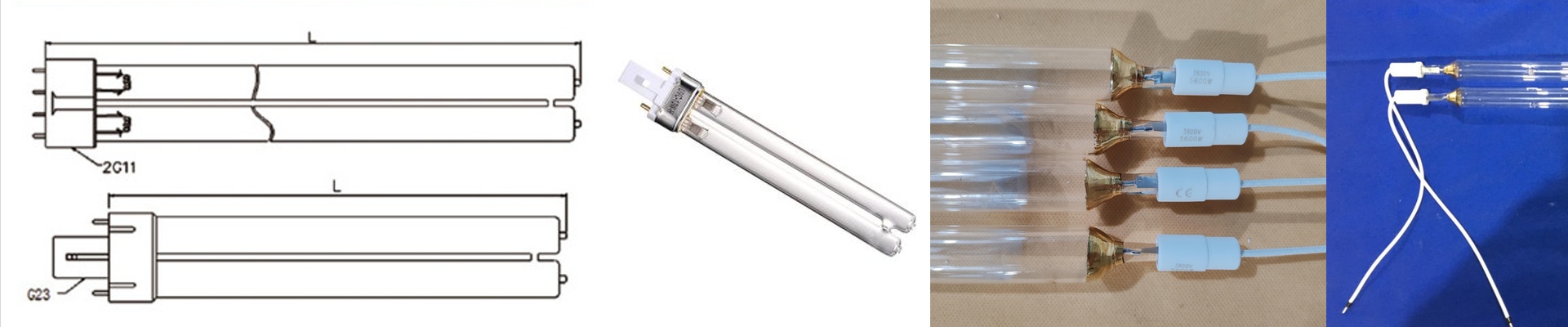
We use high-purity fused quartz. Why? Because it lets the UV light through without absorbing it. Depending on where your lamp is living, we can also add special coatings. These can shift the spectral output or keep the glass from getting eaten away by harsh chemicals. Then there are the connectors. We offer the usual G10 and R7s, or we can just make a custom pin setup for you. It sounds like a small detail, but a loose connection is a nightmare. When a machine vibrates, a loose plug creates an arc. That pits the socket and ruins the electrical path.**It’s a mess.**We make sure the lamp stays seated, no matter how much your equipment shakes.
Balancing Heat and Coverage
One of the biggest headaches in curing is the “dead zone”—those annoying gaps where the UV light just doesn’t reach. We fix that by adjusting the length and positioning of the lamp so every inch of your product gets hit. But there’s a trade-off. If you push for high wattage in a small tube, the surface temperature spikes. If your housing wasn’t built for that kind of heat, you’re going to warp your reflectors. We’ll work with you to find that sweet spot. We balance the intensity you need against what your cooling system can actually handle so you don’t end up with a thermal failure on your hands.