
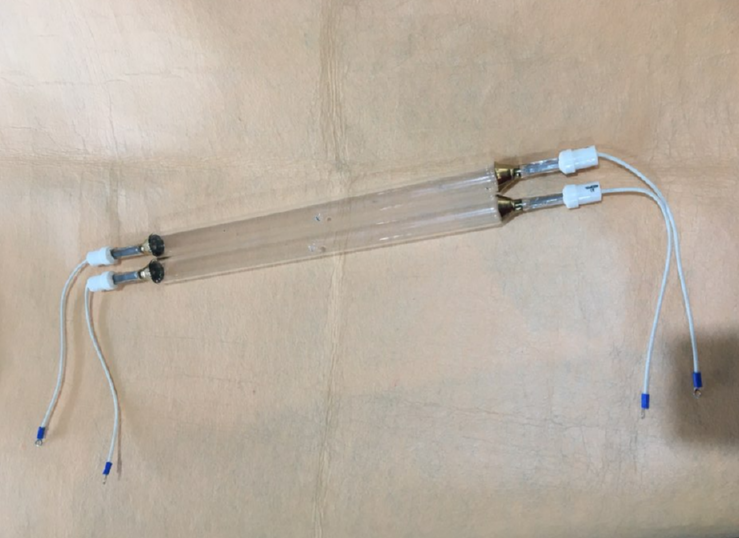
Introduction
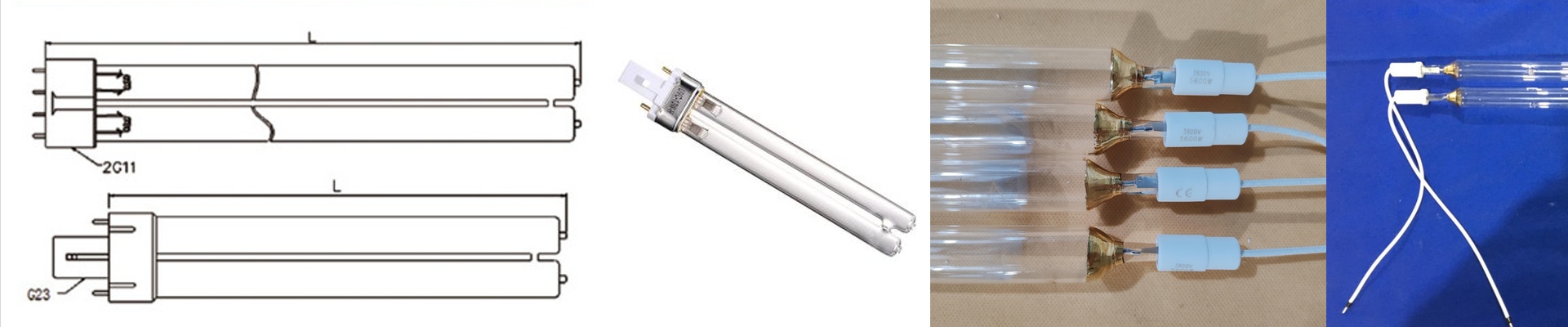
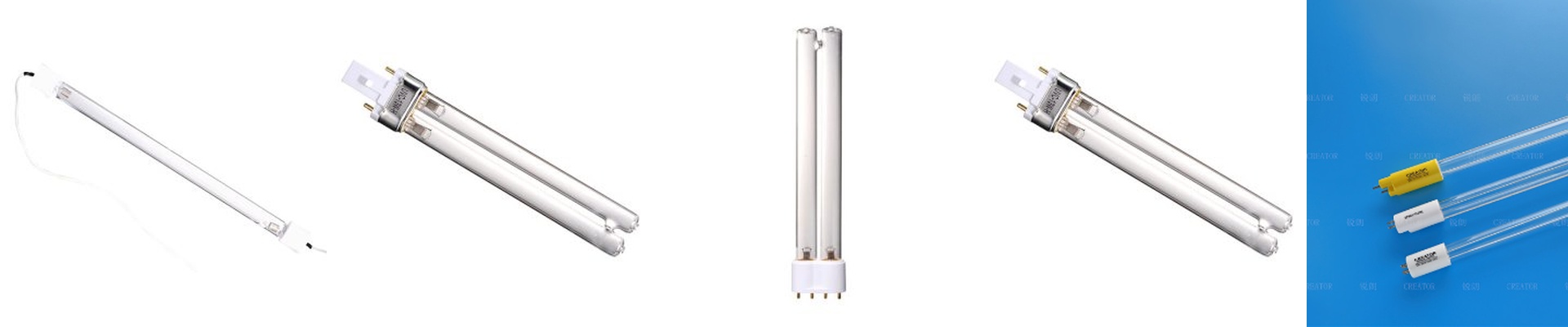
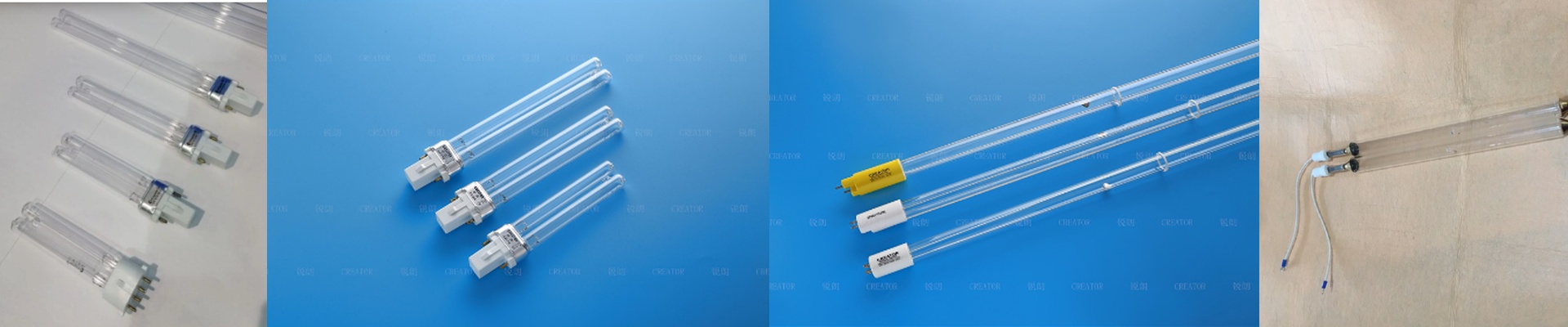
I’ve spent years on the floor of printing plants—about 3,000 of them. And what I learned is pretty simple: you don’t need a flashy lamp. You need one that actually works where the work happens. So we built this UV lamp for real life. It’s not about chasing the brightest light. It’s about a system that holds steady, keeps up with the pace, and drops right into your line without making you rewire the whole place.
Technical Deep-Dive
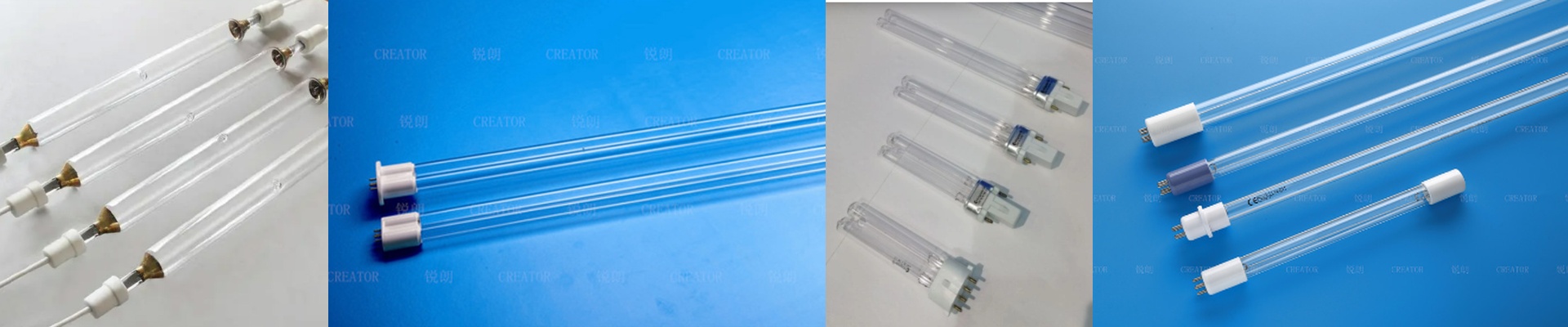
On the line, UV has one job: cure the ink fast—without burning what you’re printing on. So we designed this to run at high power, but with tight control over the arc and how much heat builds up. We went with a 400V input because it keeps the current lower on long runs. That means you don’t have to oversize wiring, and you don’t get voltage drop across the machine. The 300mm tube length focuses the energy right where it needs to be. You get a clean, predictable hot zone—no wasted heat spreading across the fixture. And the 2500W rating? It’s there to deliver enough photon density to cure fast, even when your line is moving. But that power comes with a catch: it needs real cooling. Make sure your heat exchanger and airflow are matched to the lamp, or you’ll start seeing performance drift.
Material & Design
The envelope is quartz, with a coating tuned to hit the right wavelength for curing. We’re aiming for the band that kicks photopolymerization into gear while keeping excess infrared in check—because too much IR is what warps substrates. Inside, the halogen cycle helps keep the envelope clear, so output stays consistent over the life of the lamp. And the R7s connector? It’s direct, tough, and built for high heat. Swapping lamps is fast—just push in and twist. It holds alignment and keeps contact resistance low, so you don’t get surprises on the line.
Application & Benefits
In industrial printing, this setup means you can run faster without scorching. And when a lamp needs changing, you’re down for minutes, not hours. The footprint fits standard fixtures, so you can replace old units without redesigning the machine. This lamp is built for the floor—steady output, repeatable performance, and an install you can do without a team of engineers. Just don’t forget: high power density means serious heat. Plan your cooling, or the lamp will let you know.