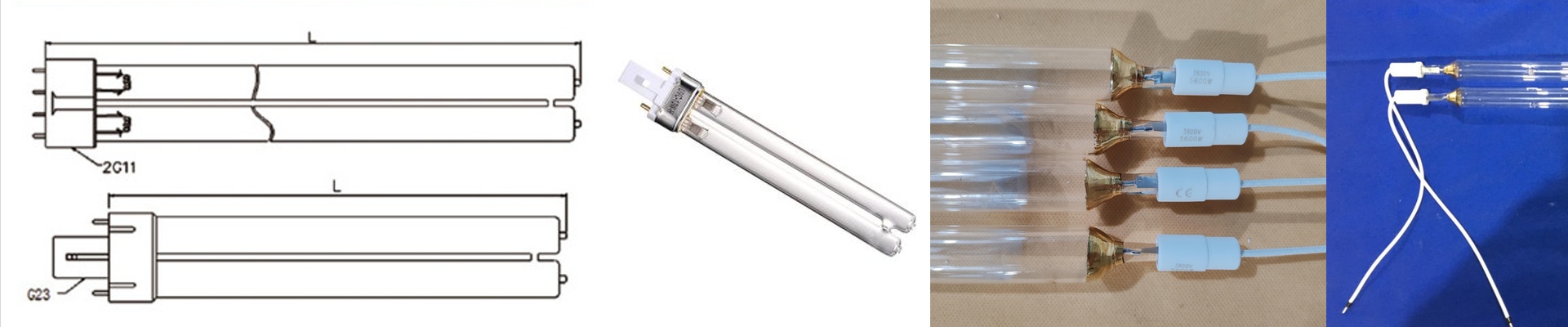
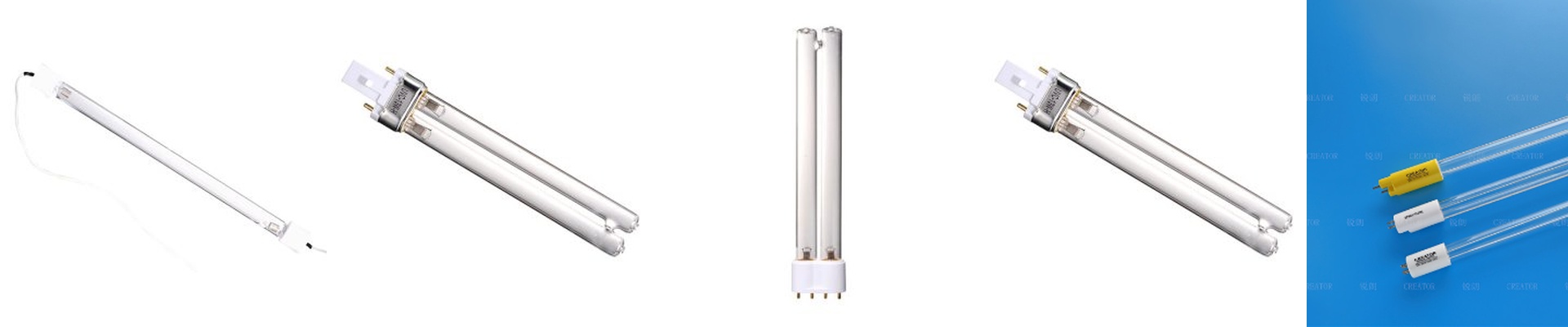
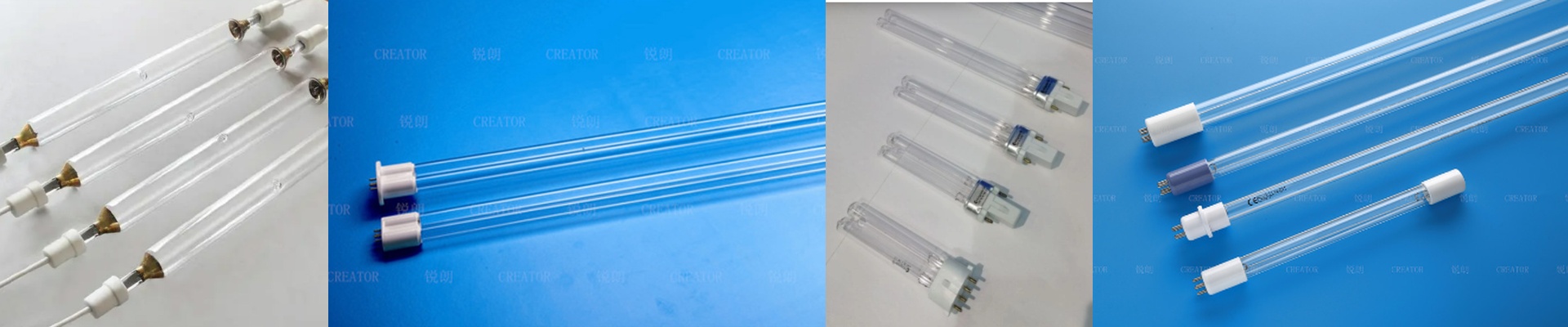
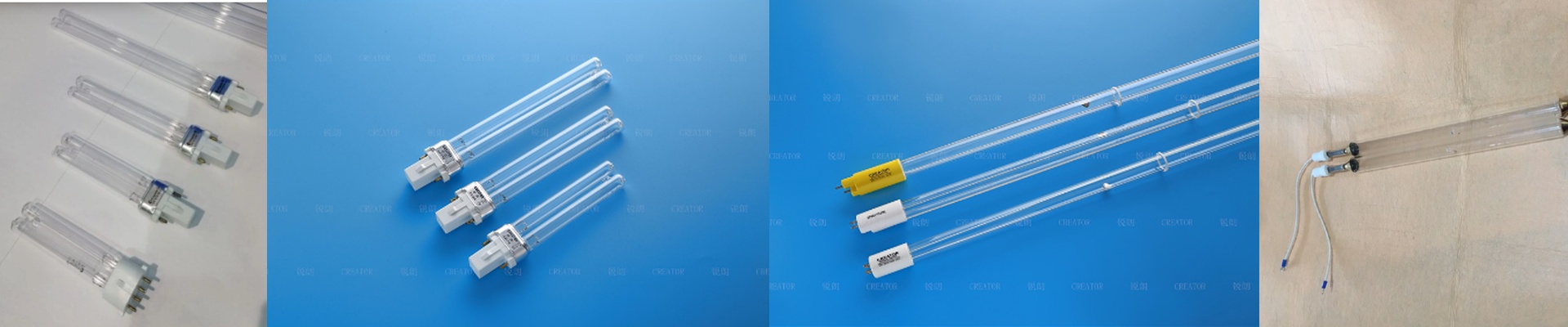

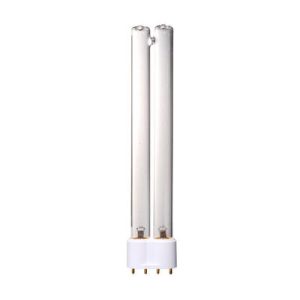
On a label press cranking along at 150 m/min, uneven UV output will murder your halftones—turn them to mud—and leave halos along color edges. That inconsistency comes straight from lamp aging, reflectors losing their edge, and spectral drift. The result is simple: photoinitiators don’t get the dose they need, right when the ink hits the flash. We built the Osram UV sterilization bulb as a true industrial curing source, not another general-purpose tube. What actually matters under the hood This is a high-pressure mercury vapor lamp, engineered to deliver repeatable spectral output. It hits the core photoinitiator absorption bands used in flexo UV inks, with strong output around 365 nm and stable broadband UVA/UVB. Peak irradiance at the web stays consistent because the reflector system uses a dichroic coating—energy density doesn’t collapse as the lamp ages. We lock in a stable arc gap and electrode geometry so output doesn’t wander as the lamp warms up, and we control end-of-life fall-off. You plan maintenance by hours, not by surprises. Why this matters on a flexo label press Cure uniformity is what keeps dot gain, color bleeding, and adhesion problems off the table—especially on coated papers and films. A stable spectral profile means the same cross-linking density from the first sheet to the last, even when you’re running opaque whites, metallics, or low-migration inks. You get sharper register, fewer rejects, and more consistent ink laydown because the curing window isn’t drifting with lamp age. And output stability lets you push higher press speeds without overcuring, which keeps heat off thin films. Here are the practical details that make the difference Match the lamp to the curing module. Check reflector geometry, arc length, and power density at the operating point you actually run—undersized reflectors or a mismatched power supply will wipe out the stability you paid for. Confirm the lamp is ozone-free to match your enclosure design, and keep cooling airflow exactly as specified. Overheating will eat electrode life and accelerate output decay. Finally, pair the lamp with a calibrated radiometer. Track dose in mJ/cm², not just lamp hours.