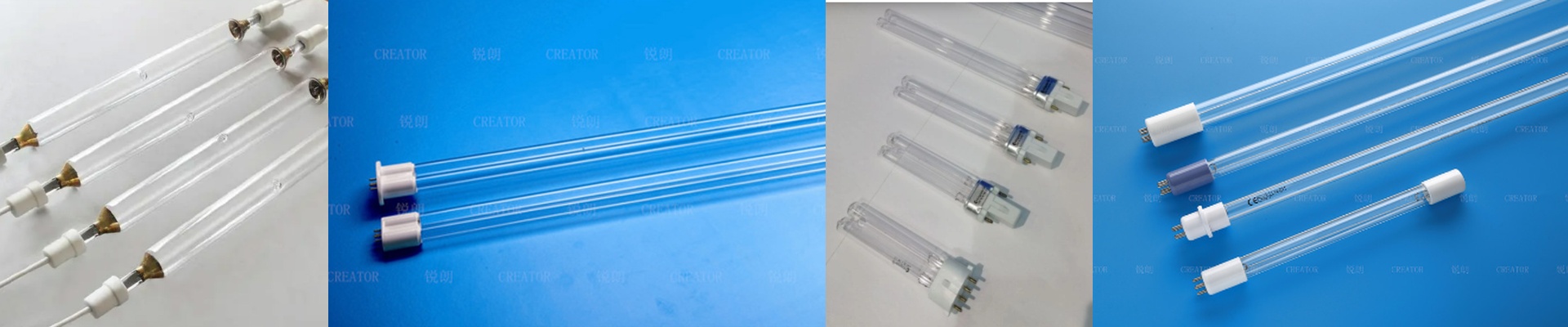
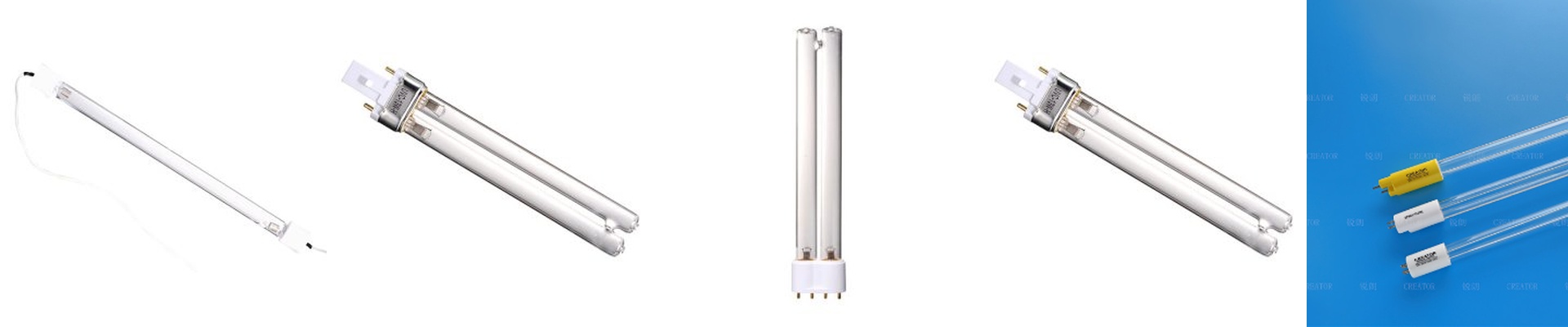
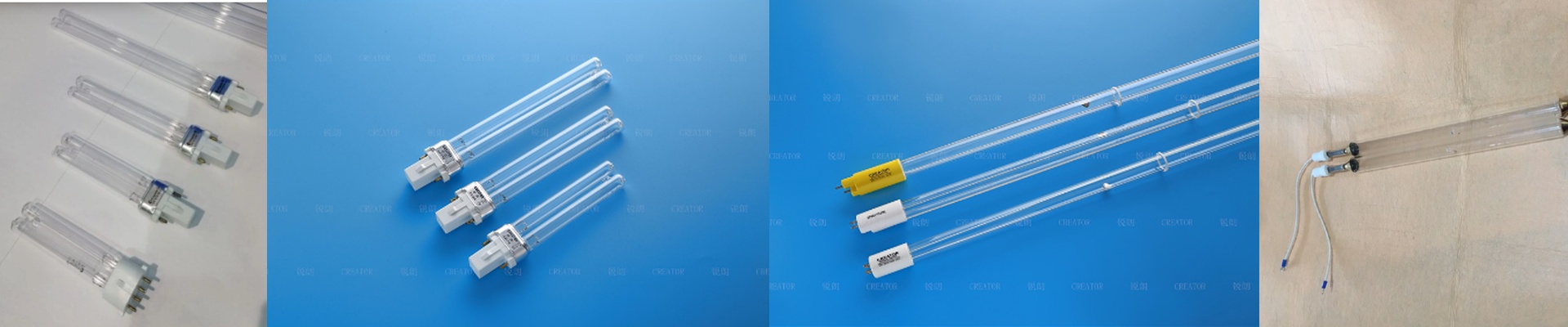

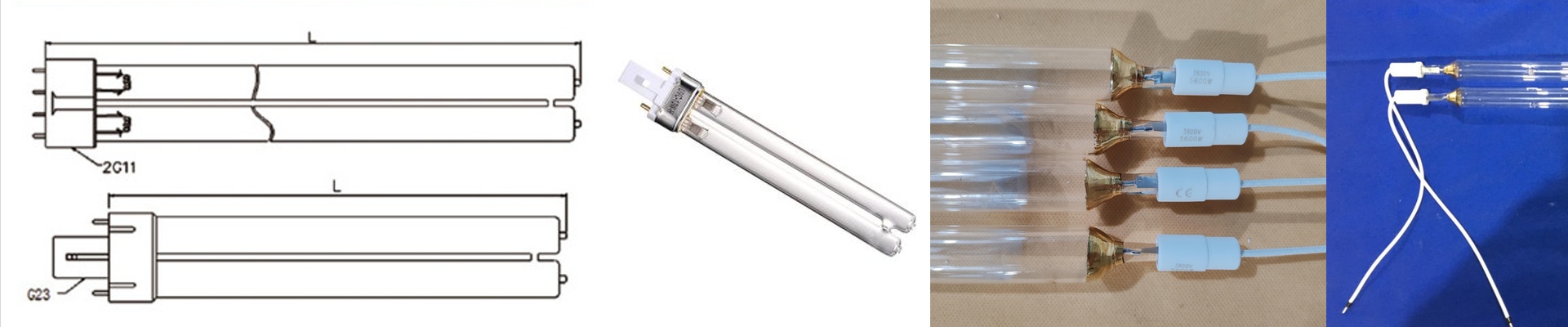
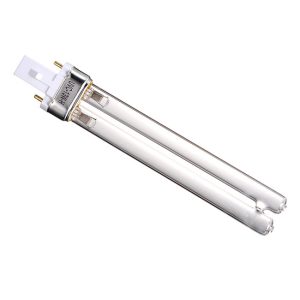
In industrial printing, the instant the shutter drops, your whole job rests on one thing: the lamp’s spectral output. If the UV energy isn’t there, you get uncured ink, adhesion failure, and scrap. We built these lamps to keep that from happening. What matters, technically We’re running high-pressure mercury vapor lamps with tight control over the spectrum, keeping output stable in the UVA band where the photoinitiators actually respond. Peak irradiance holds across the arc length, and the dichroic reflector focuses the energy onto the substrate instead of dumping it as heat. You get consistent curing energy density, and it repeats from lamp to lamp. These units hold output within tight tolerance for thousands of hours, with low attenuation and a predictable lamp life curve. On the press line, curing has to keep up with the speed without chasing hot spots or cold edges. The lamps deliver uniform spectral output across the cure window, so the ink cross-links completely even at high speeds. That cuts blocking and improves scratch resistance. In practice, it means fewer stoppages, less rework, and quality that holds shift after shift. Energy use stays sensible because the system delivers the required dose without overdriving the lamp. Here’s what to watch for These lamps need exact alignment and clean reflectors. Even a small misposition drops irradiance and gives you uneven cure. They work with standard UV offset, flexo, and screen setups, but the integration has to match the fixture, power supply, and cooling profile. And plan replacement by hours and measured output drift, not guesswork.