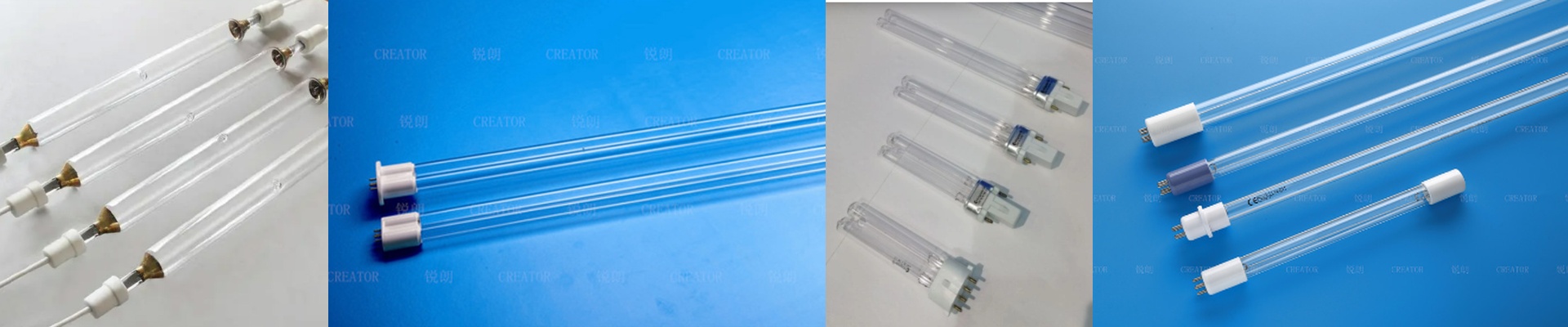
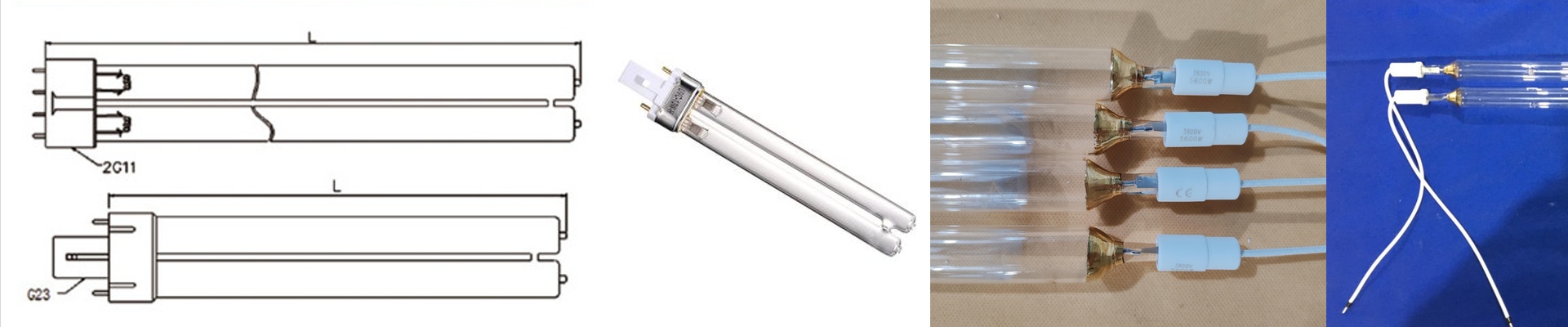
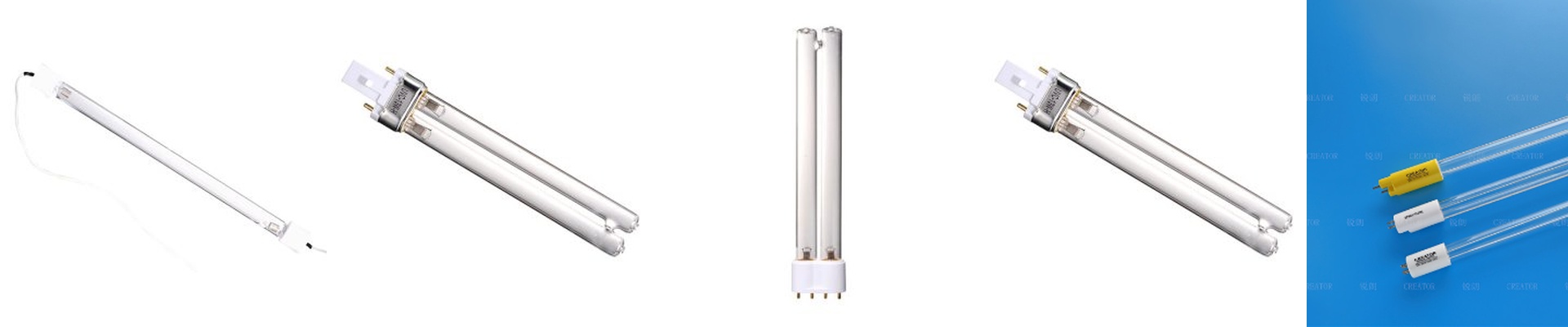

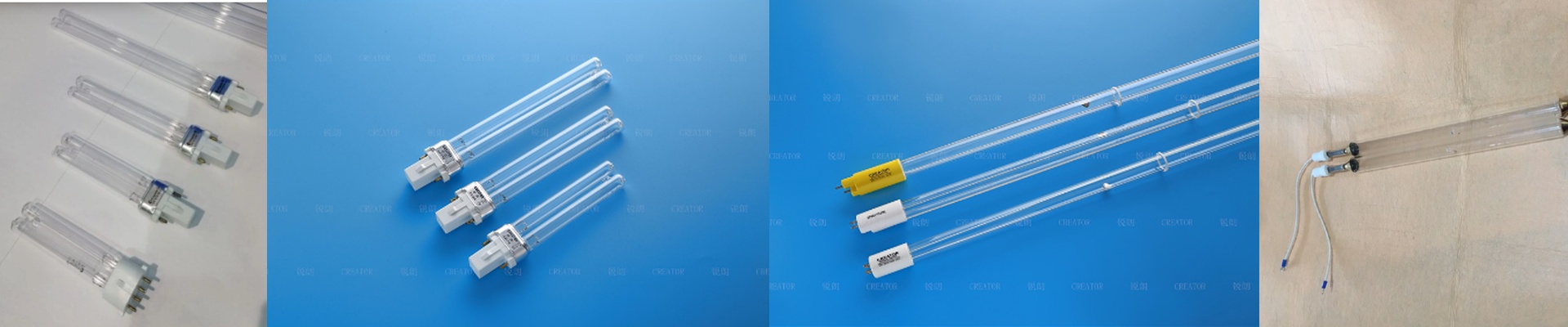
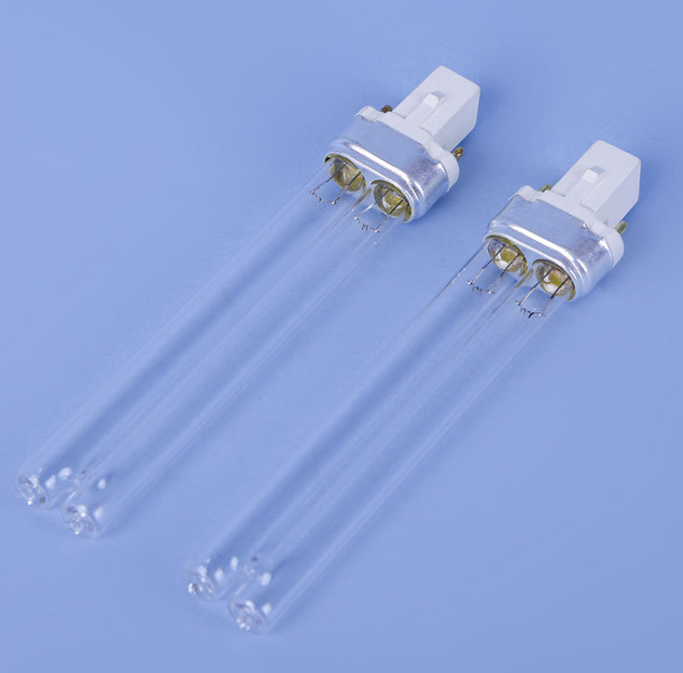
On the shop floor, a steady UV output is the difference between a pond that stays in balance and one that goes sideways. We set the bar at holding spectral energy within 0.5%. The reason is simple: if lamp output drifts or irradiance is uneven, microorganism control gets inconsistent and maintenance costs climb. What matters, technically The Hozelock UV pond lamp is a low-pressure mercury vapor discharge, tuned for the 254 nm germicidal line. We keep spectral energy concentration at ±0.5% across the life of the lamp. A quartz sleeve with a dichroic reflector coating shapes the beam and cuts down on off-axis losses. Peak irradiance at the sleeve surface is engineered to deliver the required dose at defined flow rates—not just headline wattage. You can expect stable output after 5,000+ hours, with measured degradation held under 5% when voltage and temperature stay within rated windows. Ozone-free operation is standard, thanks to an envelope that suppresses the 185 nm line. Why this works in the real world Pond systems aren’t sterile reactors. Turbidity, flow swings, and fouling change UV transmission on the fly. When spectral output is stable and predictable, you can size the system around a dependable dose—not a best-case spike. The payoff is repeatable microbial control, fewer unplanned cleanings, and replacement intervals you can plan. In practice, performance holds across seasonal temperature swings and variable organic loading, without chasing transient peaks that only mask the real dose. What you need to know Installation has to respect flow direction and sleeve alignment to keep the engineered irradiance profile intact. The lamp needs a matched ballast and clean power—voltage spikes shorten electrode life and nudge the spectral output. Output will be a touch lower below 10°C until thermal equilibrium is reached; in very cold climates, plan a bypass loop. Compatibility is fixture-specific, so verify connector type and envelope dimensions against your housing before you commission.