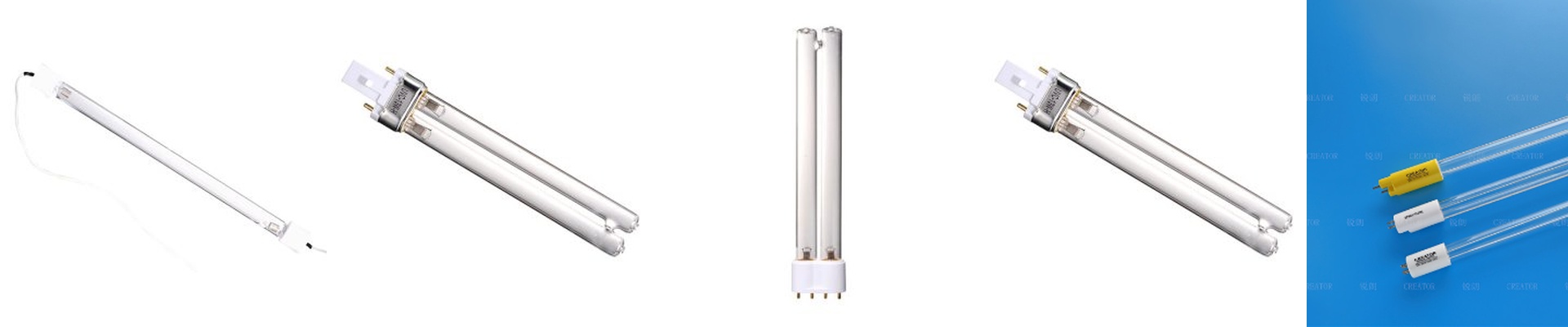

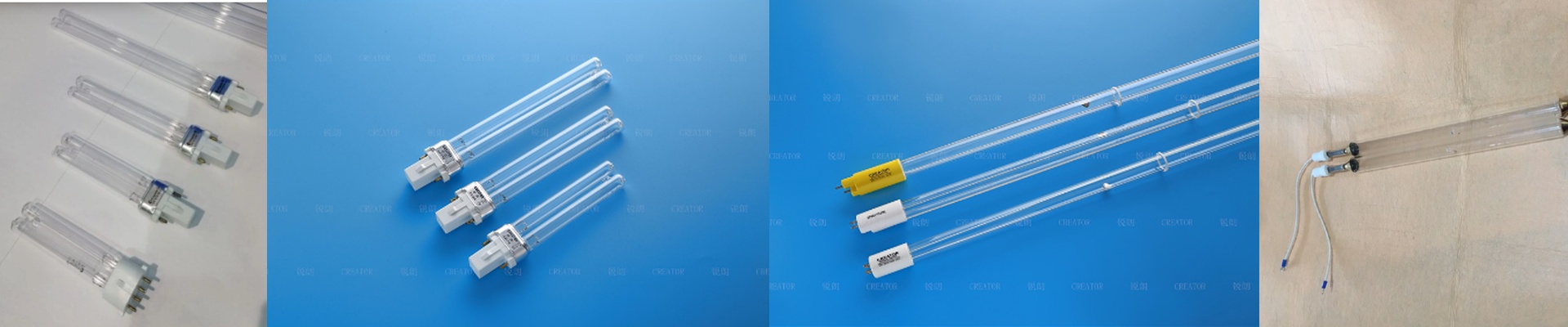
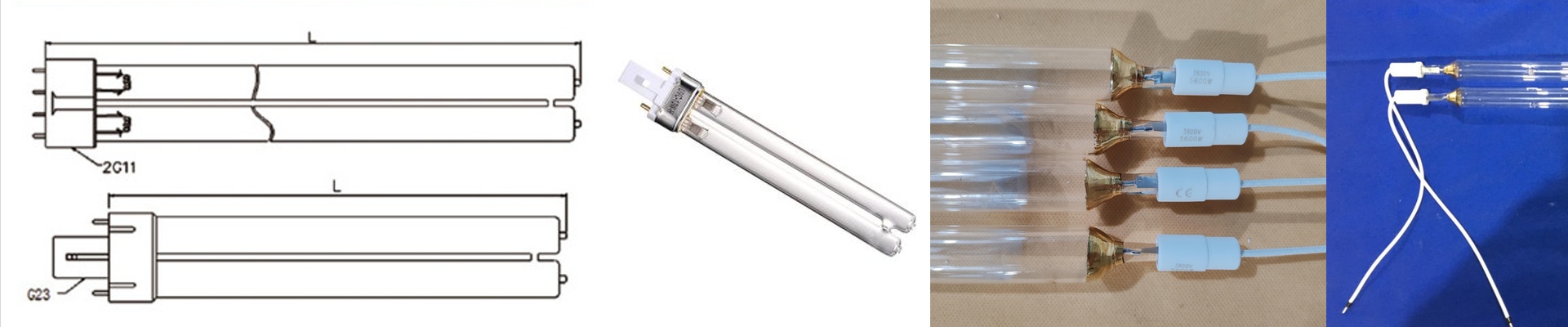
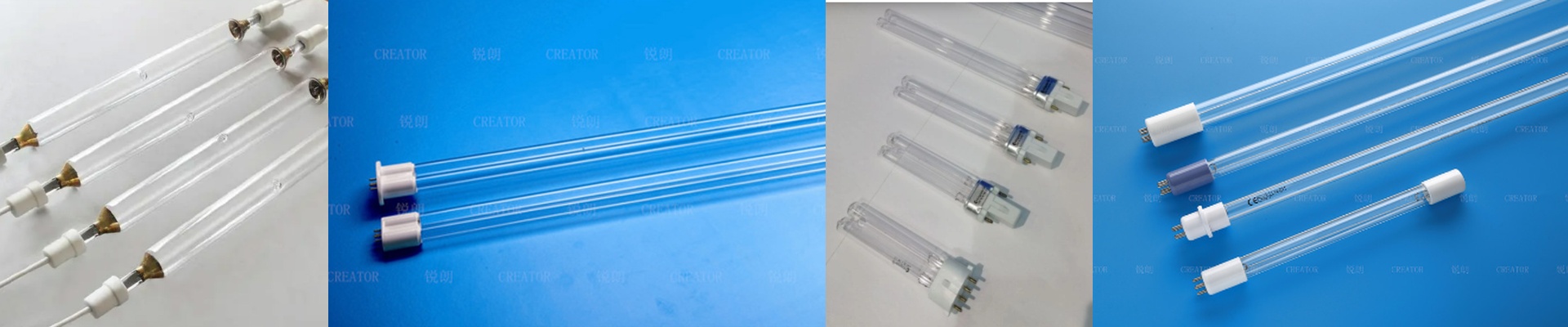
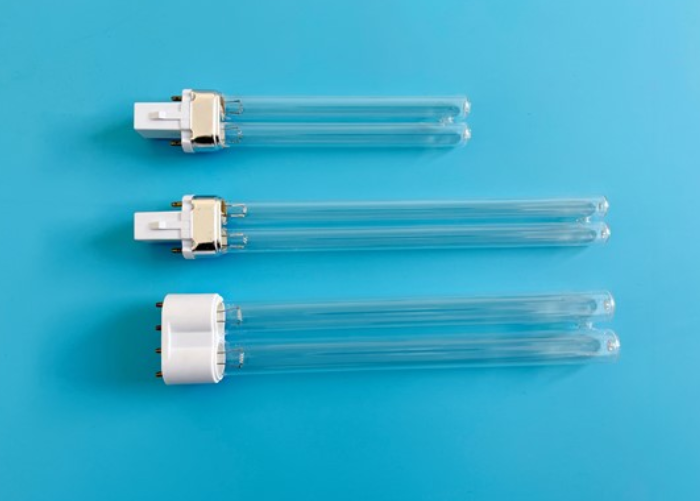
When you’re engineering a UVC module for a household dishwasher or shoe cabinet, you’re fighting two tight constraints: cramped mechanical space and the need for consistent microbial kill. If irradiance comes up short or the lamp contact is spotty, the whole feature becomes a compliance headache. What actually matters under the hood That 4-pin connector isn’t a nice-to-have—it’s the interface that sets the ignition method, lamp power, and long-term electrical stability. In compact UVC modules, you’re typically running a low-pressure amalgam lamp, delivering 254 nm for germicidal action. A 4-pin base lets the ballast handle preheat and strike reliably, which cuts down on hot-restart stress and slows electrode erosion. Match lamp diameter and arc length to the reflector geometry so the target zone gets a uniform dose. Output is measured in mJ/cm², and if you’re making household disinfection claims, you have to verify the delivered dose at the farthest point of the chamber—not just the lamp’s output. Why this approach fits the job Household appliances live and die on modular assembly and repeatable service. A 4-pin UVC lamp module standardizes wiring, polarity, and mechanical mounting across cabinet variants, which trims assembly time and reduces returns. A well-designed reflector concentrates 254 nm where it needs to be, so you can hit the required log-reduction without throwing more power at it. That keeps heat loads off plastics and electronics, and lowers operating cost per cycle. The shop-floor essentials UVC modules run hot, so plan your airflow. Thermal runaway will shorten lamp life and shift output. Make sure the ballast matches the lamp’s rated current and pin configuration—miswire it and you’ll cook the electrodes. If the module sits near seals or user-facing vents, confirm you’re using ozone-free quartz. And remember: the 4-pin interface is only as reliable as the mating connector. Use a locking, high-temperature header and spell out retention force in your assembly spec.