
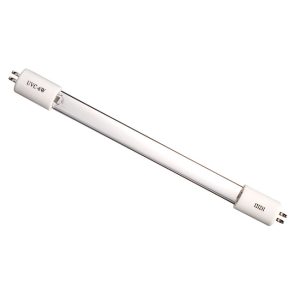
Getting the Light Just Right: The Secret to 0.5% Energy Concentration
Most wholesale UV lamps are “close enough.” They hit the general wavelength, and for a lot of people, that works. But if you’re doing high-precision curing or photolithography, “close enough” is how you end up with a bin full of scrapped parts. We spent a long time in R&D trying to nail a 0.5% variance in spectral energy concentration. It sounds like a dry technical stat, but it really comes down to two things: where the electrodes sit and how pure the quartz is.
The nitty-gritty of the physics
To hit that 0.5% mark, we had to get obsessed with the tungsten filament. If it sags by even a tiny fraction of a millimeter, your heat distribution shifts. When the heat shifts, your peak wavelength moves. It’s that simple. We also use high-purity synthetic quartz. We do this so the tube doesn’t “steal” the specific UV bands we’re trying to push through. Now, there’s always a trade-off with power. Sure, cranking up the wattage increases your throughput, but it puts a lot of stress on the glass. You have to find that sweet spot between power density and the thermal ceiling, or you’re just paying to burn out your tubes faster.
Materials and the “Fingerprint Problem”
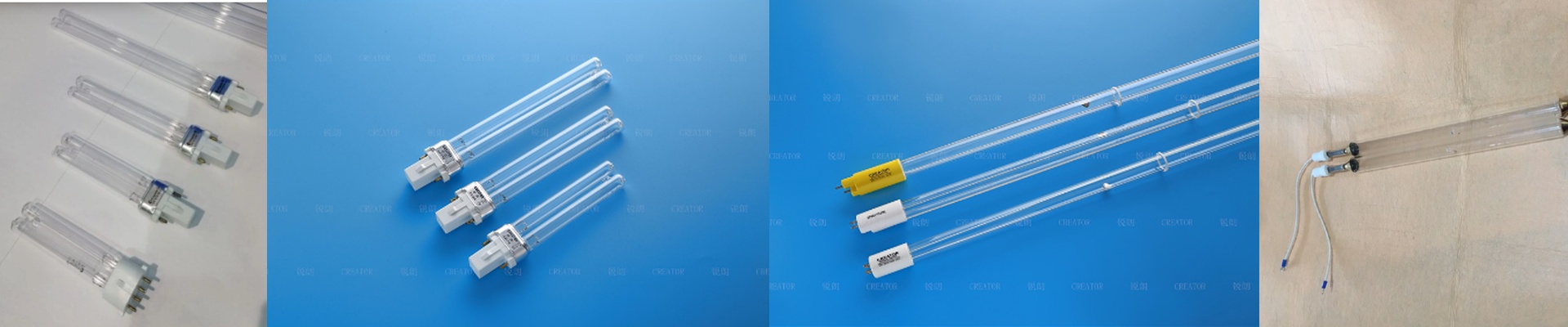
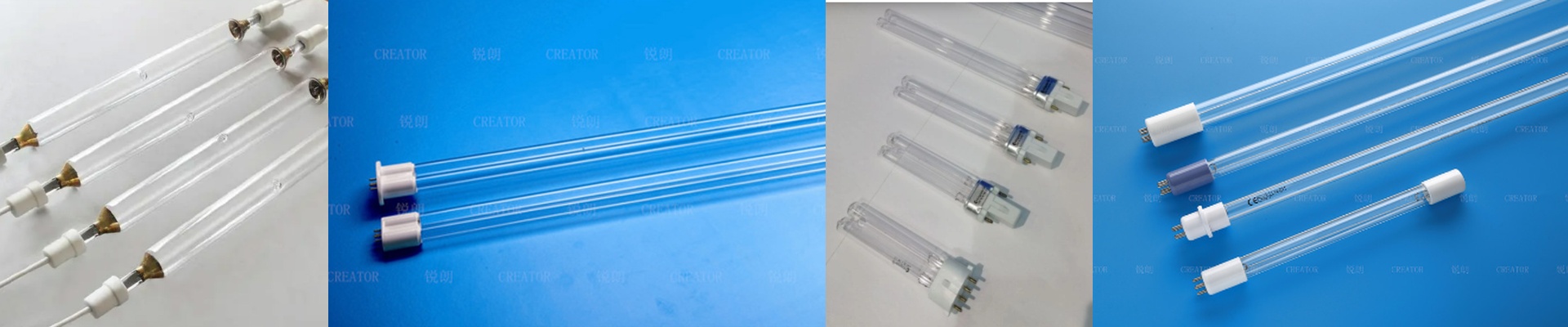
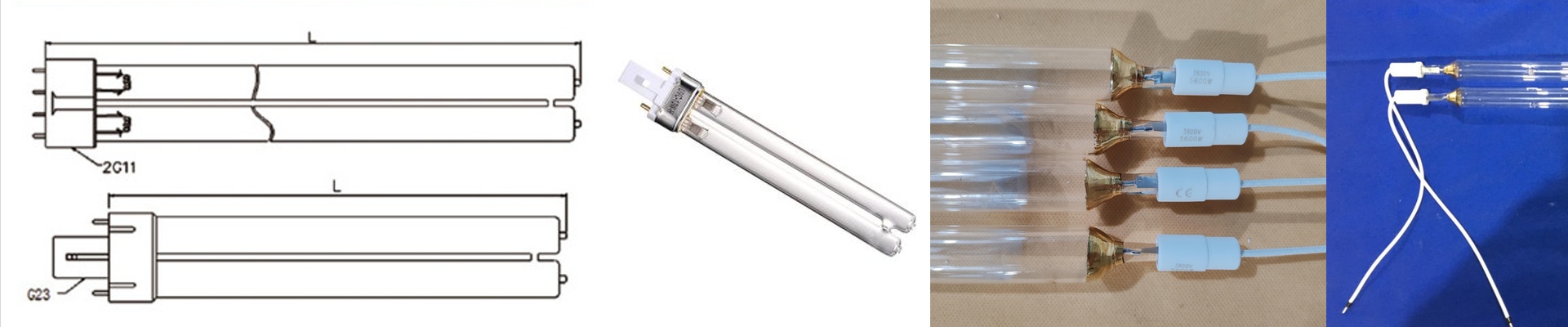
We went with high-grade quartz because it handles thermal shock way better than borosilicate. But it comes with a quirk: it hates skin oils. Seriously. One single fingerprint on the quartz can create a hot spot. During a high-power cycle, that spot becomes a weak point, andpop—your tube cracks. We also spent a lot of time on the connectors. We wanted a rock-solid mechanical fit to stop voltage drops. If the current flickers, your spectral output flickers. And if that happens, your cure consistency goes right out the window.
Real-world setup
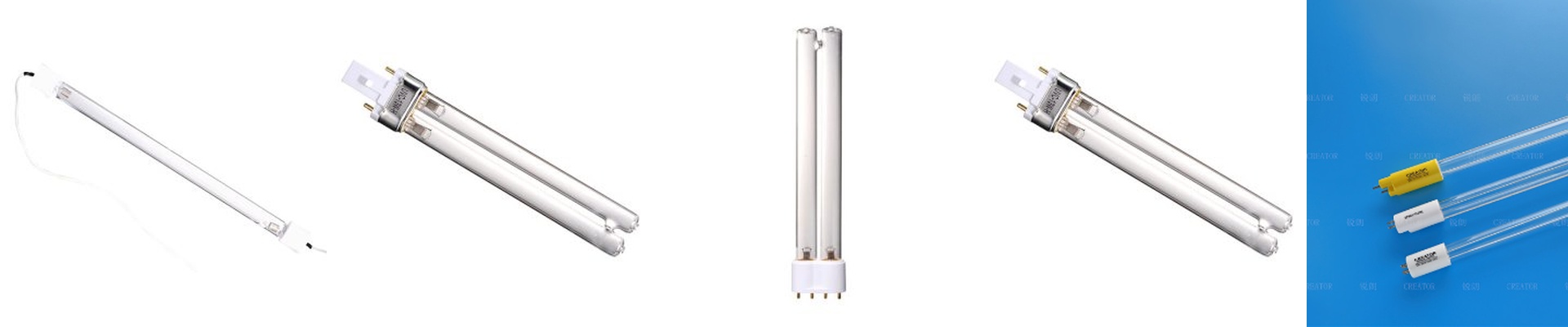
You can drop these right into your existing UV arrays. But here’s the thing: when you tighten the spectral concentration, the intensity of that specific wavelength goes up. That means more heat. Make sure your cooling fans can actually handle the load. If your airflow is weak, the tube runs too hot, the quartz expands, and you lose that 0.5% precision you paid for. Keep them cool, and they’ll perform.