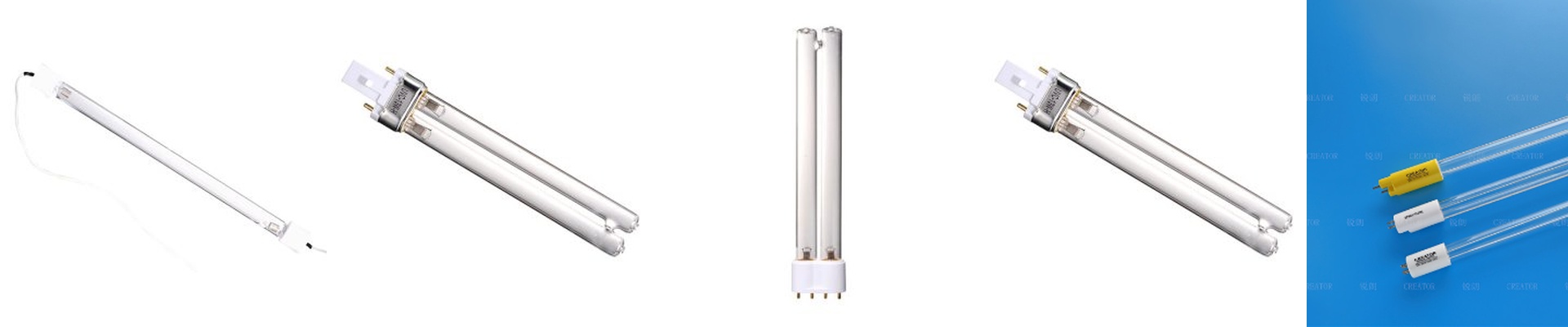

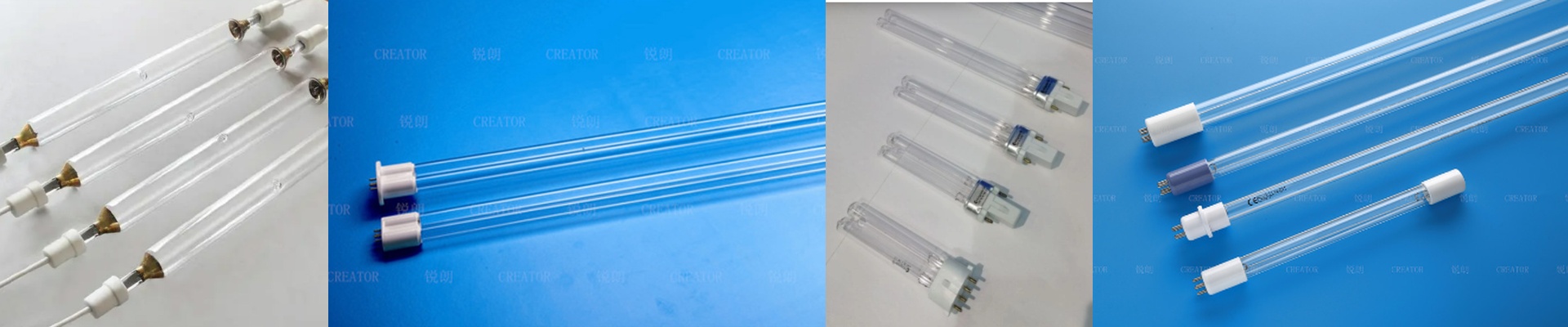
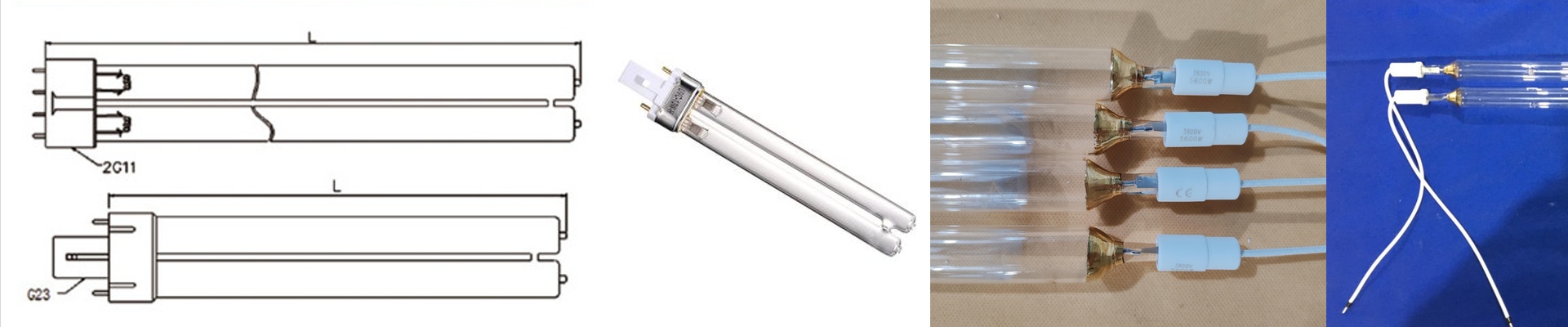
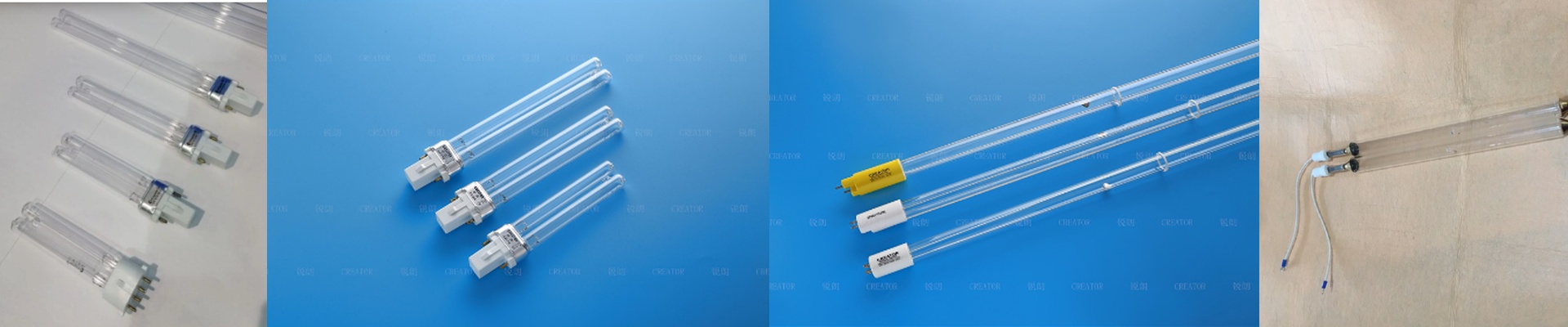
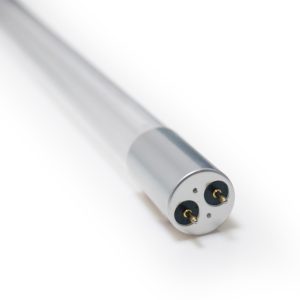
Making Your UV Curing Tubes Actually Last
Let’s be honest: there is nothing worse than a UV tube popping right in the middle of a high-priority print run. You’re in the zone, the line is moving, and then—bam. Everything stops. We build our mercury UV tubes to make sure that doesn’t happen. We know these things take a beating in a continuous print environment, so we focus on the stuff that actually keeps them running.
The secret is in the build
It all comes down to how the mercury vapor behaves inside the glass. If you use a cheap tube, the electrodes usually give out first. You’ll notice it when the light starts flickering or the output just dips for no reason. To stop that, we use reinforced cathodes and high-purity quartz. It’s a simple fix, but it means the tube stays steady instead of dying halfway through your shift.
Don’t let it overheat
High-wattage tubes get hot. Really hot. If your cooling system can’t keep up, the quartz gets stressed and the mercury breaks down faster. We’ve spent a lot of time tweaking the diameter and length of our tubes to make sure heat escapes as efficiently as possible. This stops those “hot spots” from forming—the kind that eventually crack the glass. **Quick tip:**Keep your reflectors clean. If they get oxidized, they push the heat right back into the tube. That alone can kill your tube’s lifespan by 20% or more. It’s a five-minute cleaning job that saves you hours of downtime.
Getting them running (and keeping them that way)
These are designed to be easy drop-in replacements for your standard arrays. Just double-check your ballast compatibility before you wire them in so everything plays nice. One thing to watch out for: the temptation to overclock. If you push these tubes to 110% power just to speed up the line, you’re going to see a sharp drop in how many hours they last. It’s a trade-off. The best way to avoid a disaster is to stop guessing. Don’t wait until the print starts smudging to change your tubes. Use your hour-meters and stick to a strict replacement schedule. It’s much easier to swap a tube on your own terms than to scramble when one blows during a rush job.