
15 Years of Figuring Out UV Lamps (The Hard Way)
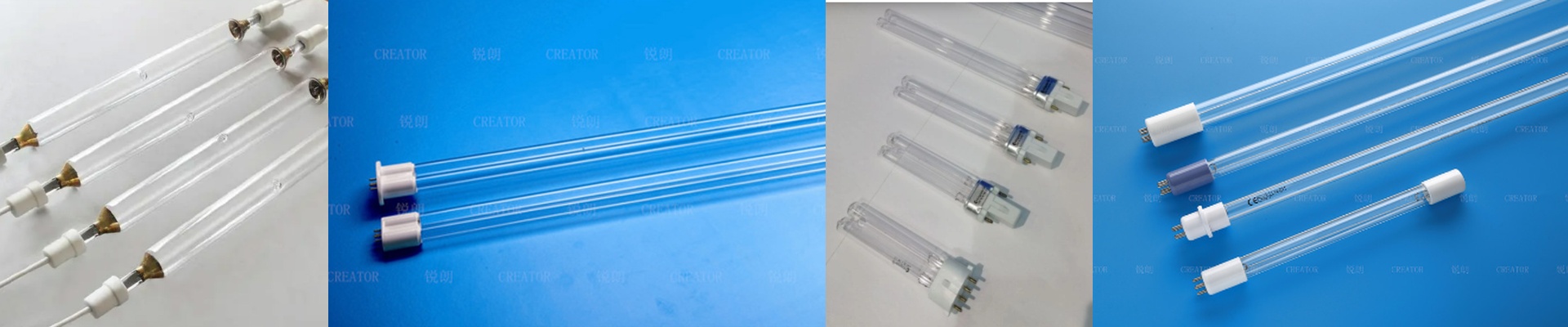
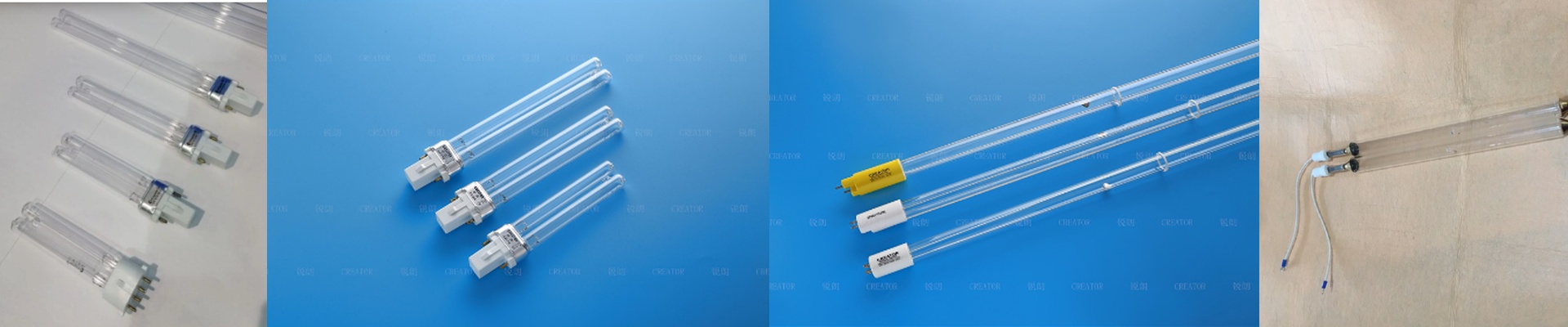
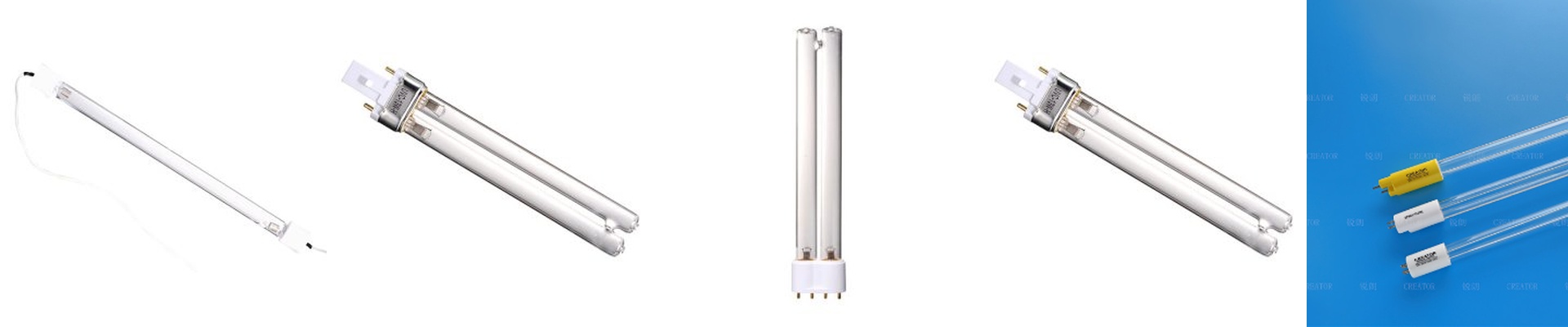
For fifteen years, we were the secret weapon in the background. We spent a decade and a half building UV lamps for the biggest names in the business, and honestly? That’s where we learned everything. We saw exactly why cheap lamps crap out and where the high-end specs actually make a difference in the real world. We aren’t just shipping you glass and gas. We’re giving you a tool that puts out exactly the right amount of light, every single time.
The battle against heat and burnout
Here is the thing about UV performance: it all comes down to the materials. If your electrode material is off or your quartz isn’t pure, you’re asking for trouble. We keep our wattage and voltage tolerances incredibly tight. Why? Because when you’re running high-wattage lamps, heat is your worst enemy. It makes things expand, and if the glass can’t handle it, it cracks. We use high-purity fused quartz because it can take those rapid heat cycles without breaking a sweat. But a word of advice: if you crank up the wattage to speed up your curing, you’re putting a massive heat load on your reflectors. If your cooling system isn’t up to the task, you’ll watch your lamp life drop by 30% just from overheating. It’s a trade-off you want to be careful with.
Built for the shop floor, not a lab
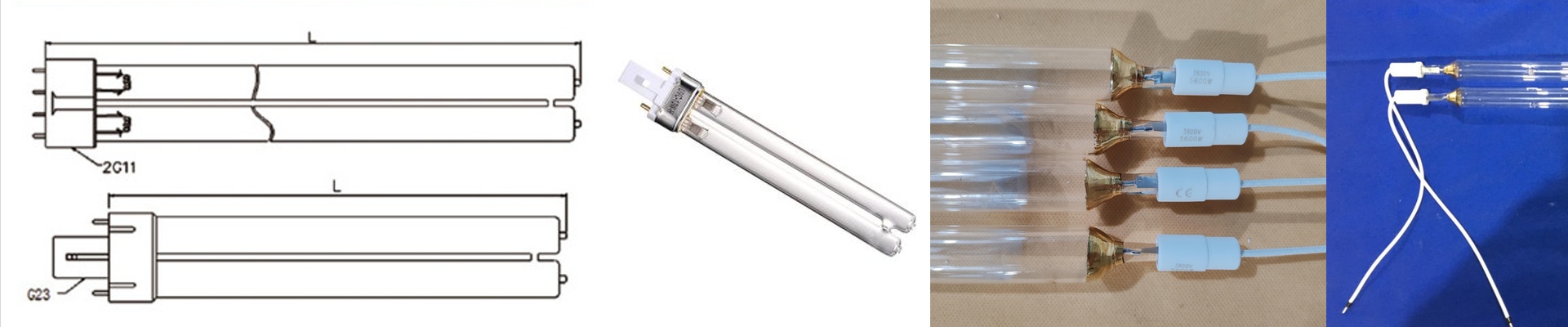
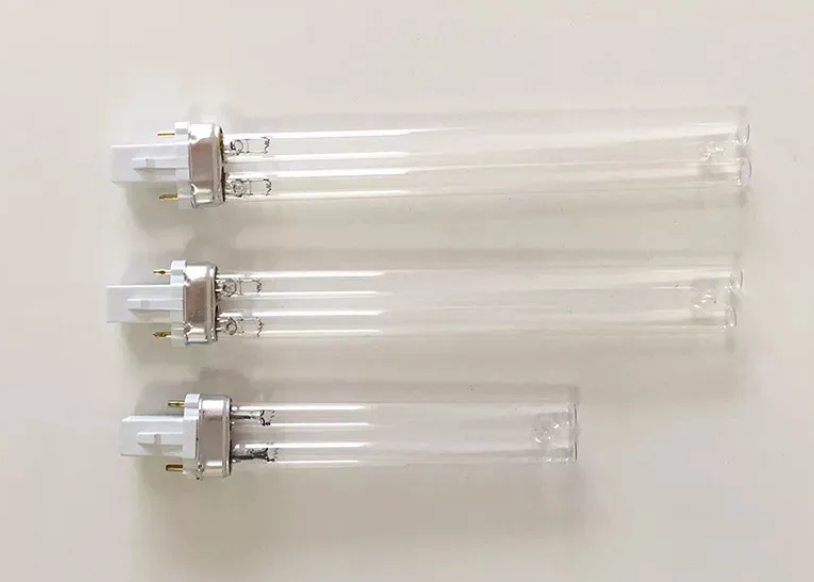
We obsess over the connection points. We’ve all been there—a loose fit at the socket leads to arcing, which doesn’t just kill the lamp; it can fry your ballast. That’s an expensive mistake. Whether you need a weird pin configuration or a drop-in replacement for some international brand, the fit has to be spot on. We’ve spent years refining these tolerances so you can just wire it up and get back to work without fighting the hardware.
Keeping things steady
These lamps live in the trenches—high-speed curing lines and sterilization setups. In those environments, stability is everything. Imagine a PET blowing or coating line. If your UV intensity dips even a little, you end up with uncured resin and a pile of wasted material. That’s a nightmare. That’s why we build our lamps to hit a specific nanometer peak and stay there. You get a consistent cure across the entire length of the tube, not just a “hot spot” in the center. It just works.