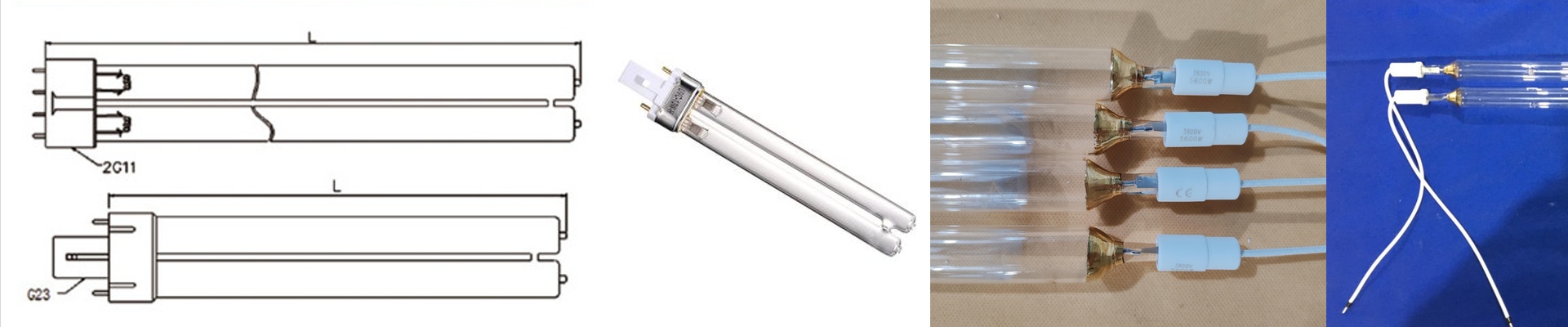
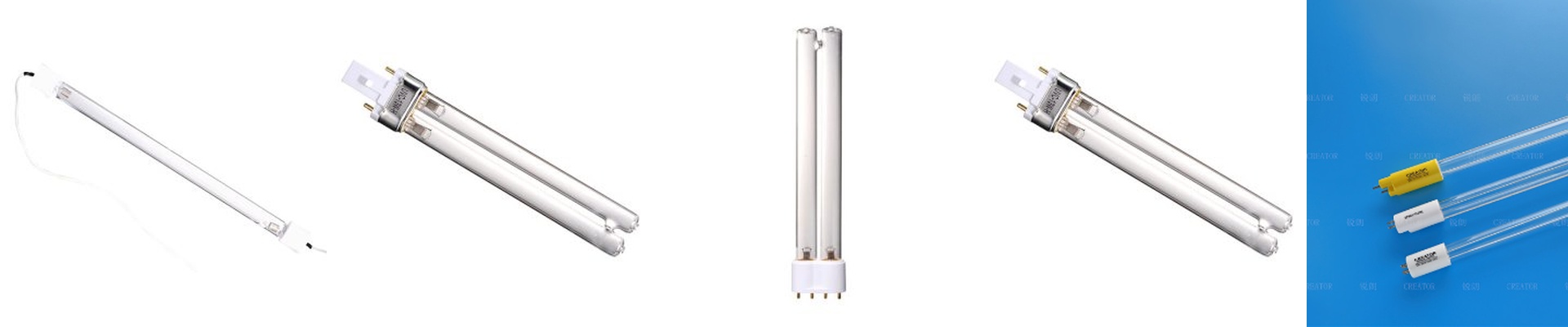

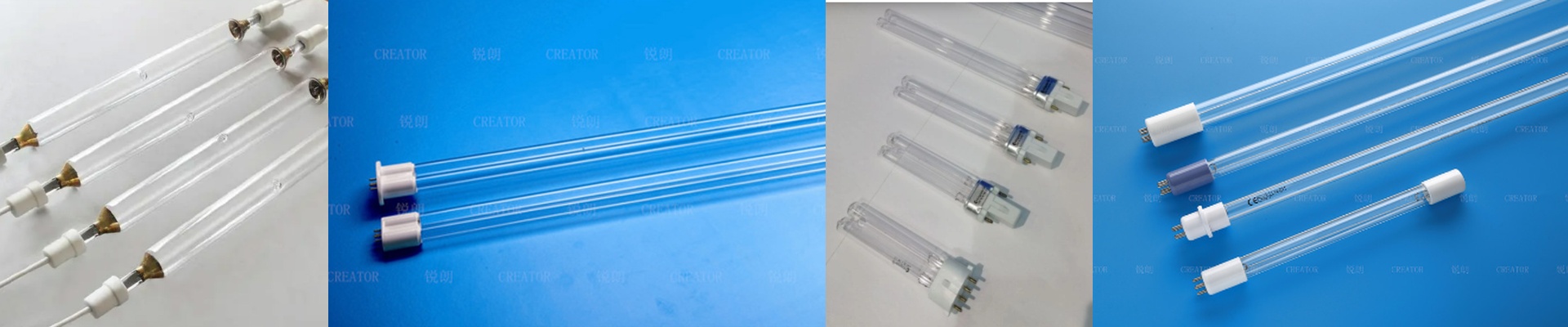
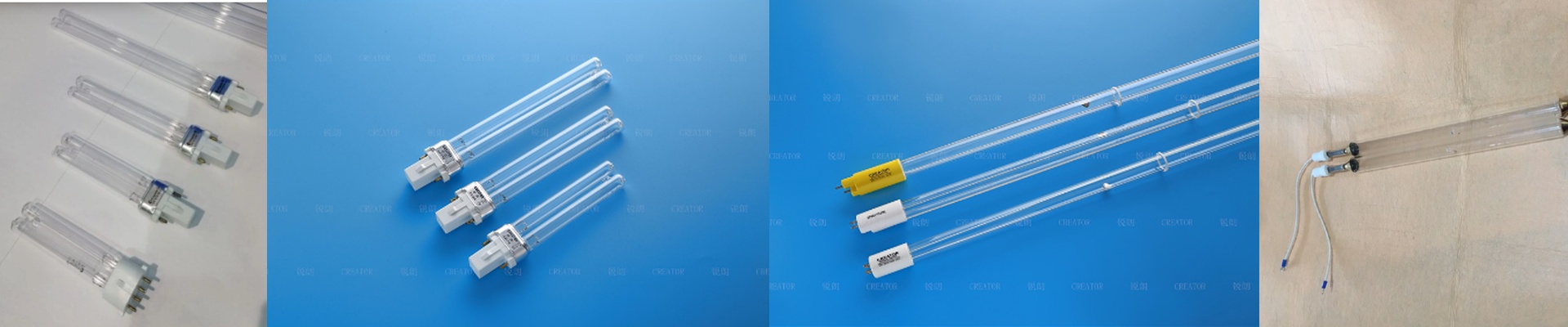
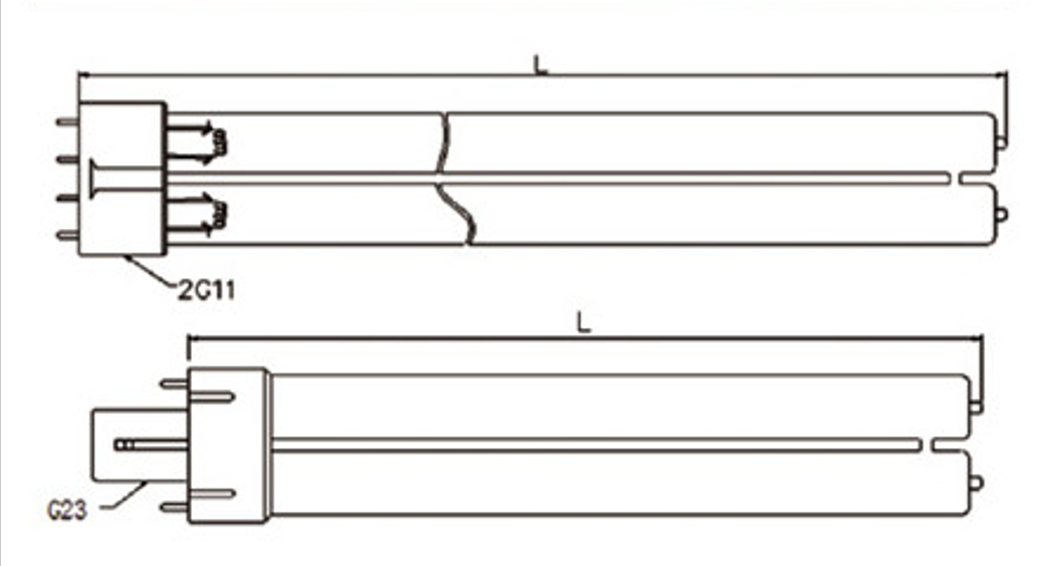
On the floor, a UV lamp doesn’t fail on your schedule. It shuts the line down right now, and every minute of downtime stacks up into scrap, missed makeready, and overtime. We built our UV sterilization lamp sleeves around a quick-change connector so a module swap becomes routine—not a fire drill. What matters under the hood We use a high-purity quartz sleeve paired with a keyed, positive-lock connector. The interface is built to take repeated hot-swap cycles without arcing or contact degradation, and it holds alignment to the reflector geometry. The sleeve keeps spectral output stable across the germicidal band, so you maintain the required irradiance at the target surface. Thermal management comes from a low-thermal-mass assembly, so the system gets back to setpoint fast after re-lamping. Why it plays in production The modular approach turns a service call into a two-minute job. When a lamp hits end-of-life, you pop the latch, swap the module, and lock it down—no tools, no recalibration of the whole bank. That means more uptime, consistent dose, and maintenance you can actually plan. You keep the line moving instead of waiting on a service tech while throughput bleeds. Here are the shop-floor details Match the connector keying to the lamp module—mismatched keys won’t engage, so you can’t install it backwards. Make sure the sleeve material is compatible with your cleaning agents; some halogenated solvents can eat away at quartz over time. For solid performance, keep the lamp within its specified warm-up window, and check reflector alignment after every swap so irradiance stays uniform.