
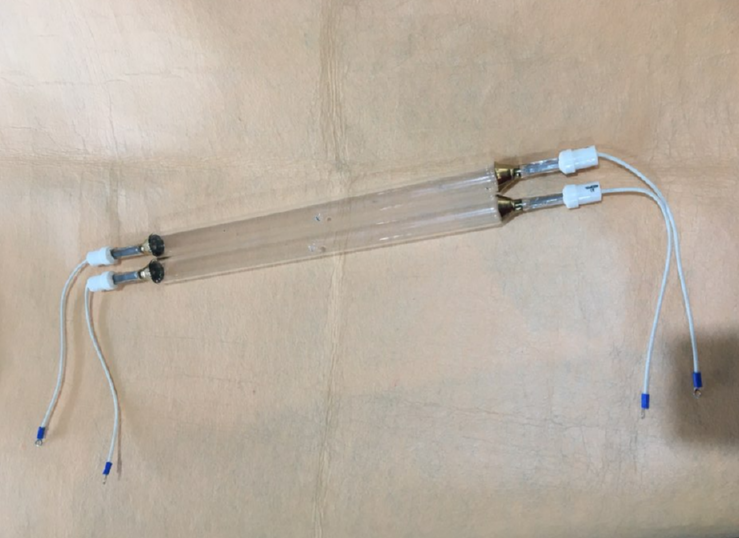
Getting Your Textile Curing Right with Gallium Iodide Lamps
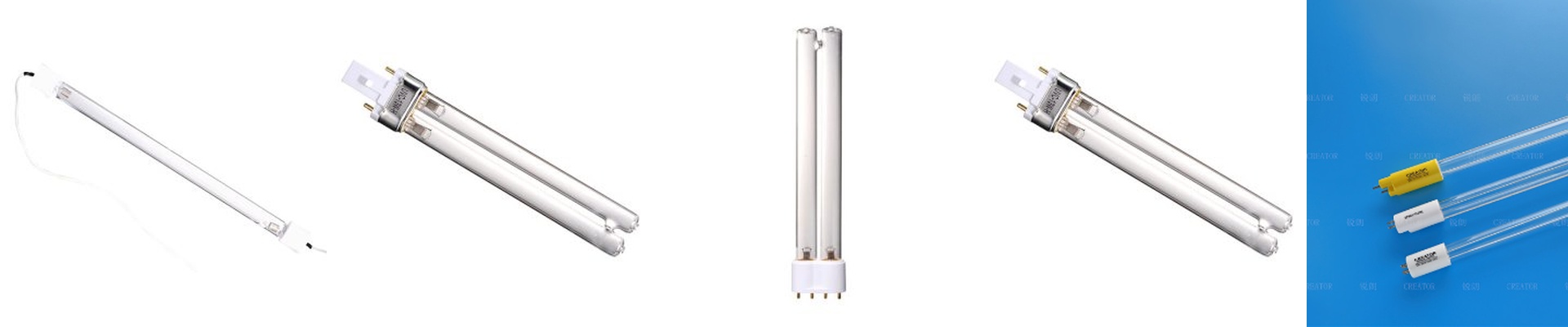
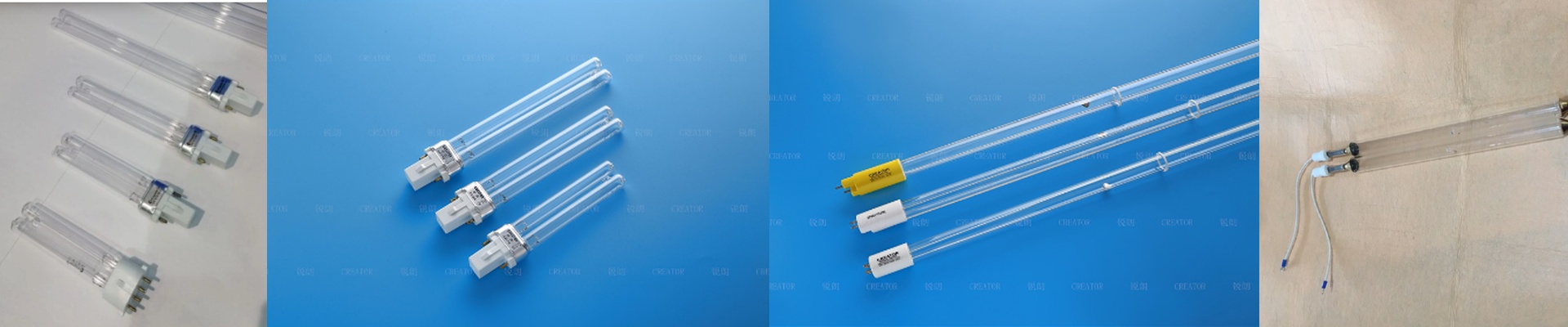
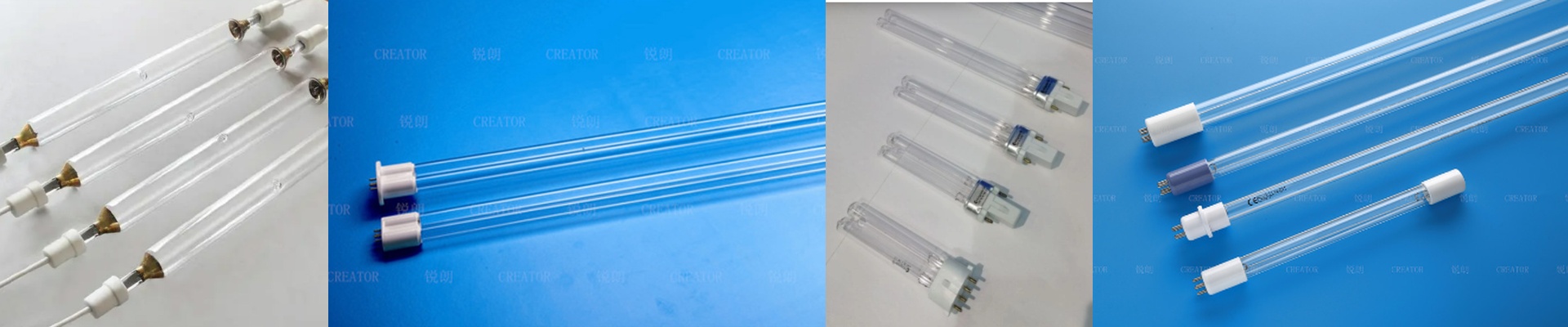
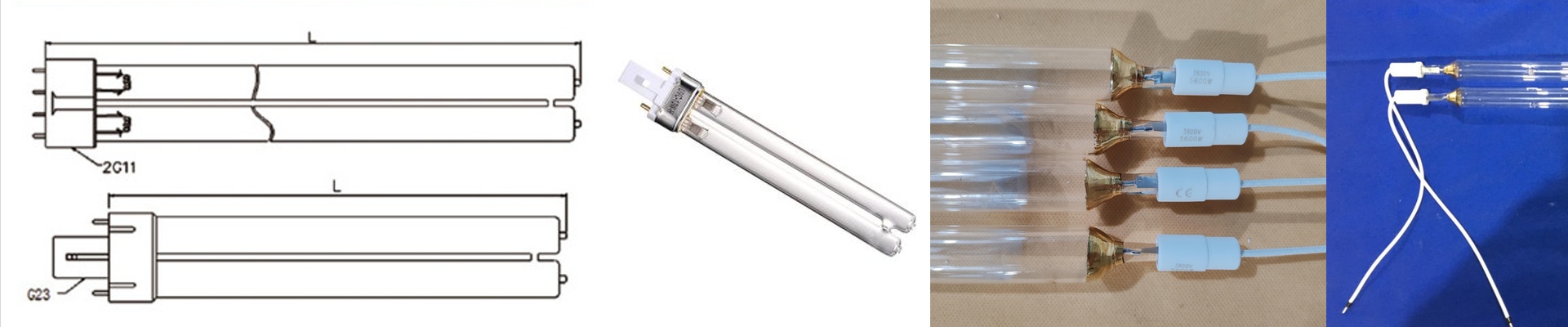
If you’ve ever dealt with high-end textile inks, you know the frustration of a print that looks great on the table but starts peeling or fading the second it hits a washing machine. Usually, that’s because standard mercury vapor tubes just aren’t hitting the right notes to trigger the photoinitiators in the ink. That’s where our gallium iodide lamps come in. They focus a ton of energy right in that 300nm to 400nm sweet spot. Deep curing, no shortcuts. Because the light is so concentrated in the UVA and UVB range, it doesn’t just sit on the surface. It actually sinks deep into the fabric fibers. The result? The ink locks in completely. You get a finish that stays put, wash after wash. But here is the thing: these lamps pack a punch, and that means they get hot. If you’re installing a big array of them, make sure your conveyor cooling can handle the extra heat. You don’t want to find out the hard way that you’re scorching your fabric. Built to actually last. We use high-purity fused quartz for the outer shell. Why? Because standard glass clouds over when it’s hammered by UV rays for months on end. We call that solarization, but you’ll just see it as a foggy tube that doesn’t work as well. Our quartz stays clear. We also tweaked the electrodes to stop “sputtering”—that annoying buildup that dims the light over time. Plus, we make them in a bunch of different sizes. We designed these to be simple drop-in replacements. You can just swap them into your current setup without having to rewire your whole shop or rebuild your lamp holders. Real-world printing. The whole point here is speed. You want that ink to polymerize the instant the fabric passes under the UV bank. It’s fast. Really fast. And that means you can ditch those massive, sprawling drying tunnels that take up half your floor space. Just a heads-up: these lamps are hungrier for power than the standard stuff. They draw more juice per inch. Before you go all-in and scale up your lamp count, double-check your power supply. It’s a lot better to find out now than to trip your breakers right in the middle of a big production run.