
Why Gallium Iodide UV Lamps Actually Matter in Textiles
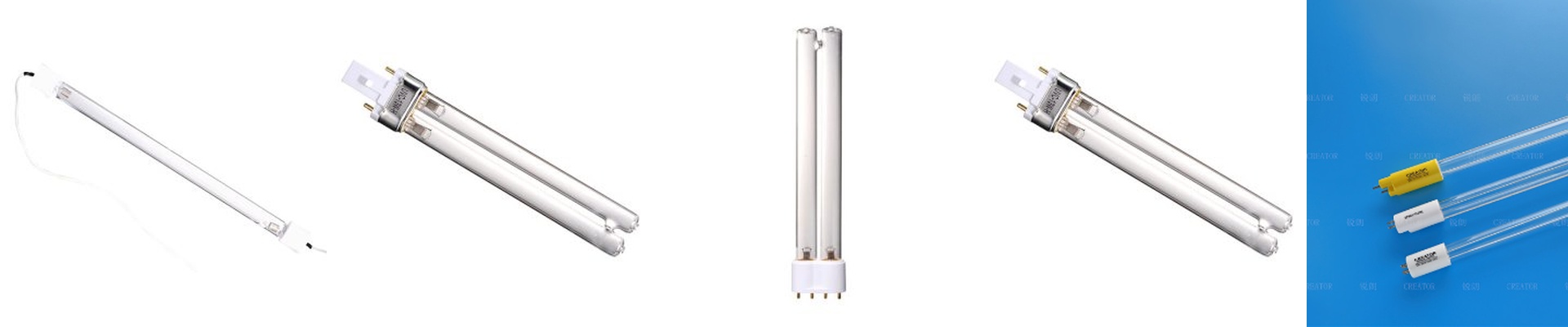
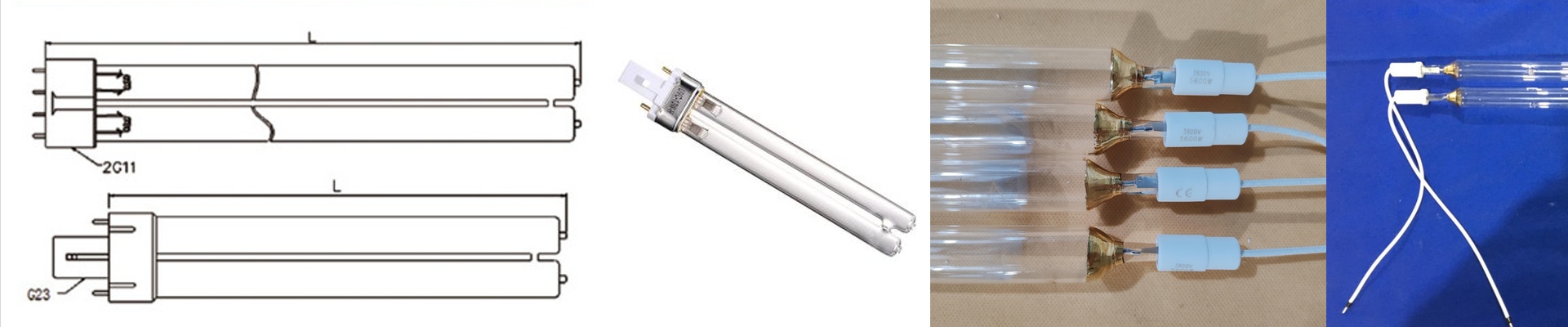
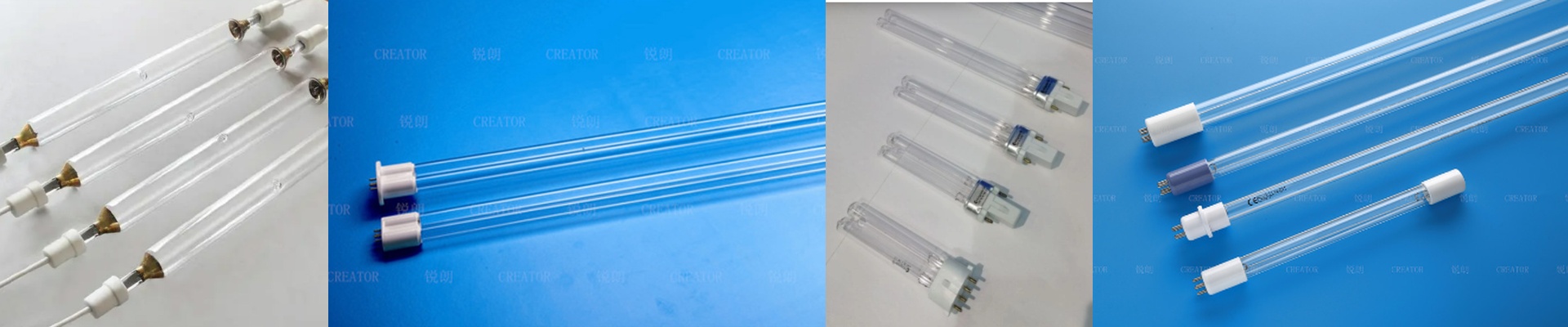
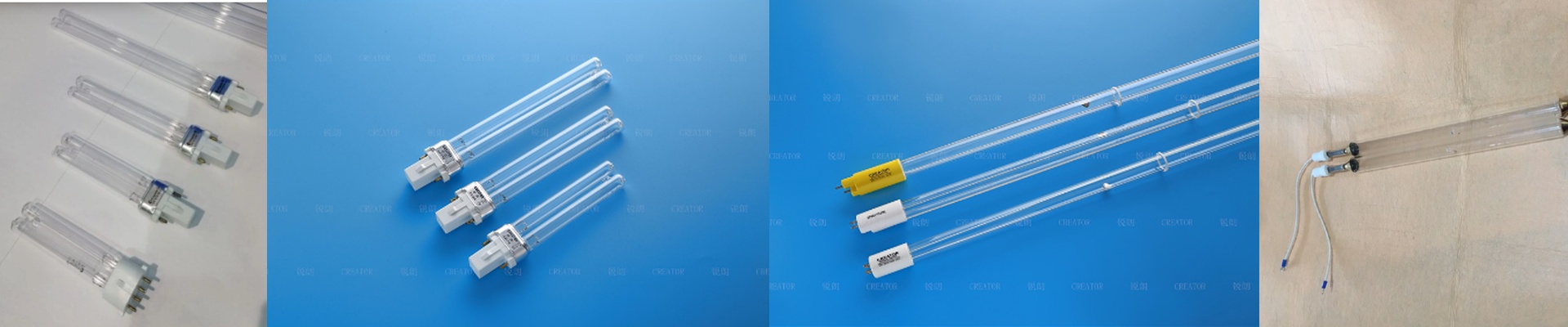
Most people think textile work is all about looms and sewing machines. But if you look closer, there’s a lot of invisible magic happening behind the scenes. UV curing is what really keeps things moving, giving garments their durability and speed. We lean on Gallium Iodide (GaI) lamps for this. Why? Because they hit that 300nm to 400nm sweet spot. They don’t just sit on the surface; they actually dig deep into the coatings. Getting past the surface Standard UV lamps usually trip up when they hit dark fabrics or thick pigments. It’s frustrating. You think it’s dry, but it’s not. GaI lamps fix this by shifting the light toward longer UV-A and UV-B wavelengths. Think of it as the light “punching” through the top layer to lock the bond at the very bottom. If you’re running a high-speed line, this is a lifesaver. You can shorten your curing tunnel and stop worrying about “skinning”—that annoying problem where the top looks dry, but the bottom is still tacky to the touch. The hardware side of things Now, these lamps are tough. They can handle the grit of a factory floor. But here’s the catch: they get hot. Really hot. You’ve got to keep an eye on your heat sinks. GaI lamps throw off a lot of infrared heat along with the UV. If your cooling fans aren’t up to the task, your lamp life will tank or, worse, your fabric will start to warp. When you’re swapping them out, just stick to a drop-in replacement with matched ballast settings. It keeps things simple and stops the flickering that drives operators crazy. Where this fits in your shop We use these all over the place. Early on, they’re great for photo-initiating dyes. Later in the process, they handle the heavy lifting for waterproof membranes and those grippy, anti-slip coatings on synthetics. And here is the best part: you can ditch the massive, heat-belching ovens and those nasty VOC emissions that come with solvent drying. Sure, you’ll spend a bit more on the lamps and power supplies at the start. But you get your floor space back and you don’t have to spend a fortune on ventilation. It’s a trade-off that just makes sense.