
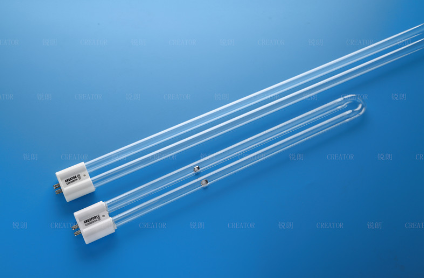
Getting the UV Right: Why 0.5% Spectral Concentration Matters for GaI Lamps
If you’ve spent any time in a PCB factory, you know the headache of photoresist curing. One bad batch and you’re looking at a pile of circuit defects because of under-cure or over-exposure. It’s a nightmare. That’s why we spent our R&D time obsessing over Gallium Iodide (GaI) lamps. We wanted to tighten that spectral energy concentration to within 0.5%. Not because it looks good on a spec sheet, but because it actually stops those defects from happening in the first place.
The trick to “tightening” the light
Most UV lamps are messy. They bleed energy across a wide band, which is fine for some things, but for high-density PCB layouts? It’s a recipe for uneven curing. We messed around with the gas fill pressure and the Gallium-to-Iodine ratio until we could narrow that emission peak. By stabilizing the discharge arc, we stopped the energy from drifting. Now, you get a beam that hits the photoresist with surgical precision. It just works.
The heat problem (and how to handle it)
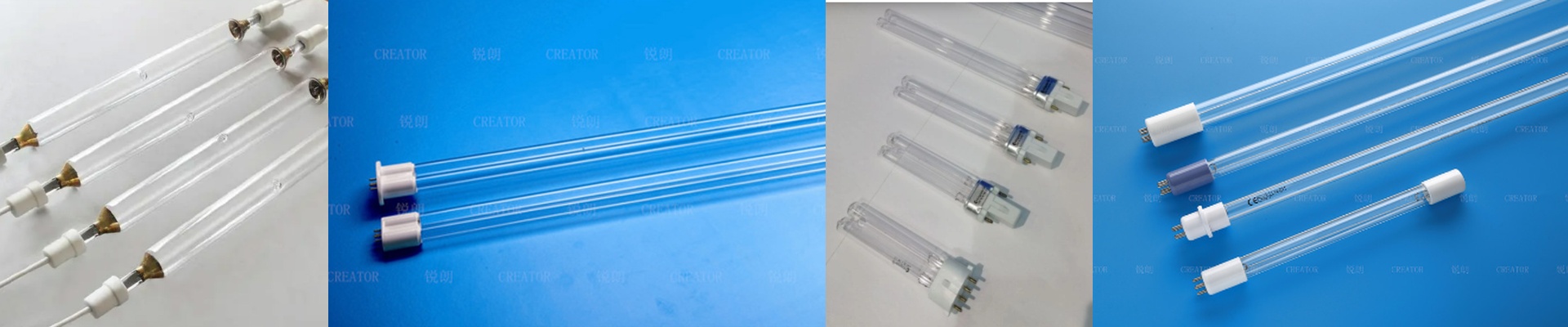
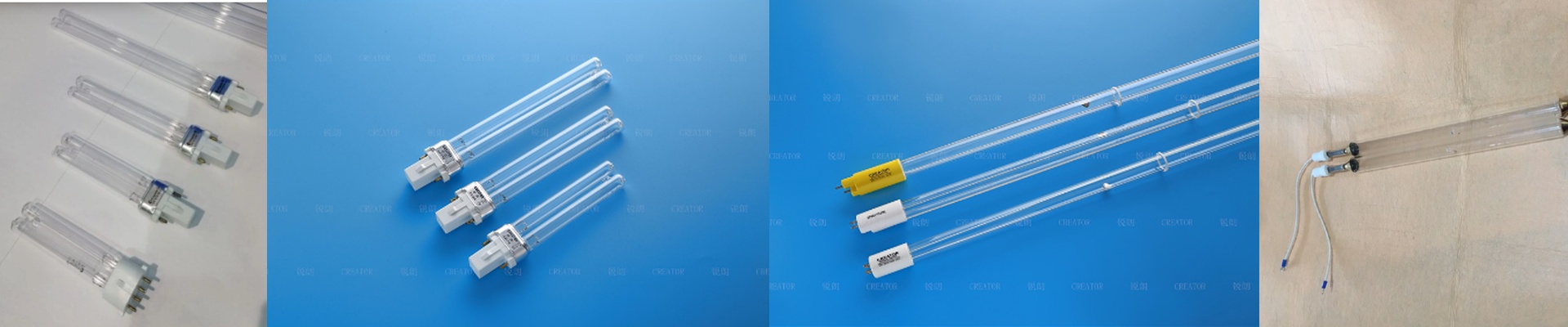
Here’s the catch. To keep that narrow spectral window, these lamps have to run at high power densities. We use high-purity synthetic quartz so the tubes don’t cloud over—what the engineers call “solarization”—which would normally kill your UV output. But all that power creates a lot of heat. Specifically, the lamp ends take a beating. If your cooling fans aren’t actually moving enough air to handle the heat dump, your electrodes are going to burn out way too fast. Just make sure your airflow matches the wattage. Trust me, you don’t want thermal drift ruining your day.
Putting them in your cleanroom
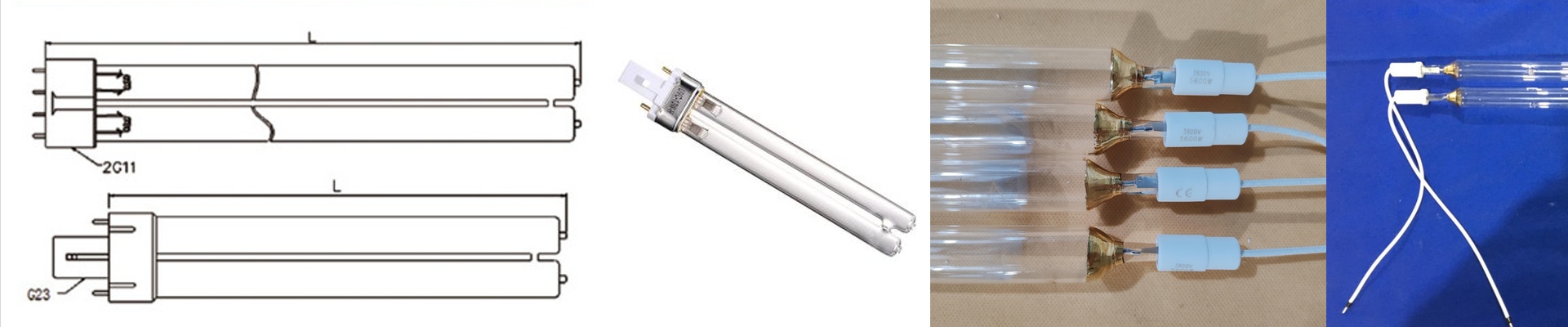
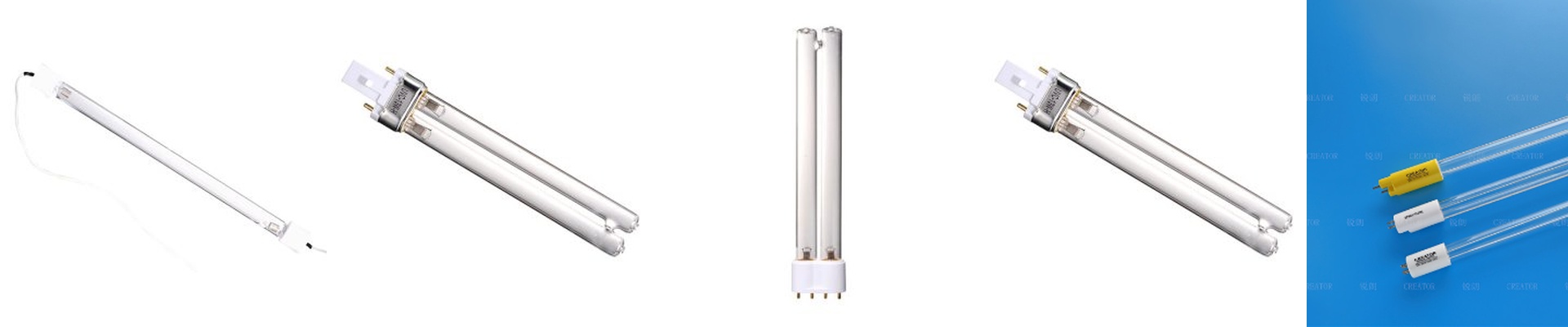
The good news? We made these as drop-in replacements. They fit right into your existing UV arrays without a fuss. But, do me a favor: check your ballast output. Even a tiny flicker in voltage can shift that spectral peak, and suddenly that 0.5% precision we worked so hard on is gone. Hook them up to a stabilized power source. It’s the only way to keep your curing consistent when you’re running 24/7 shifts.