
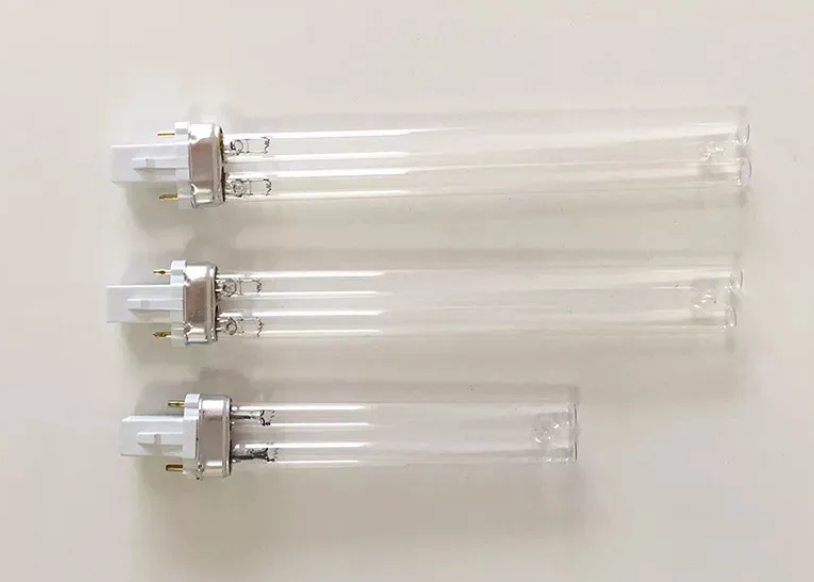
Getting Your PCB Exposure Right: The Truth About Gallium Iodide Lamps
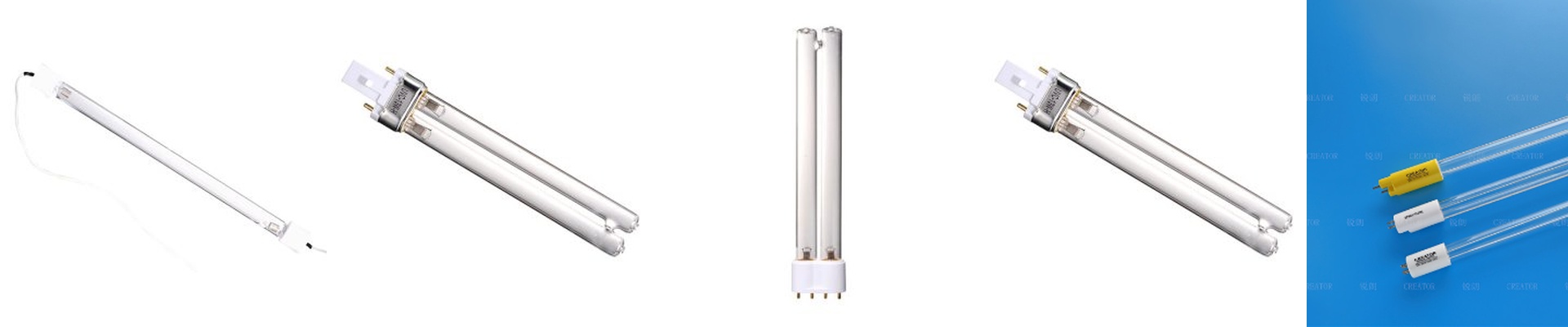
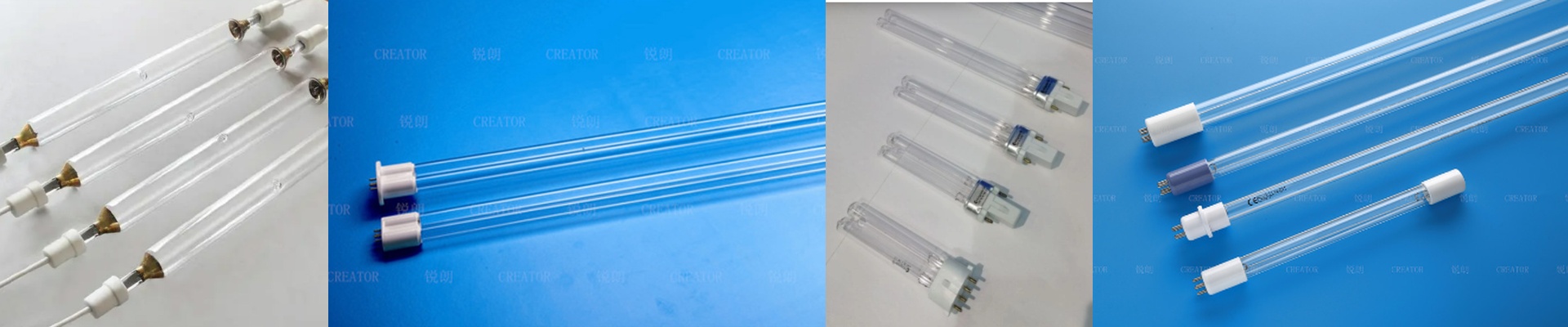
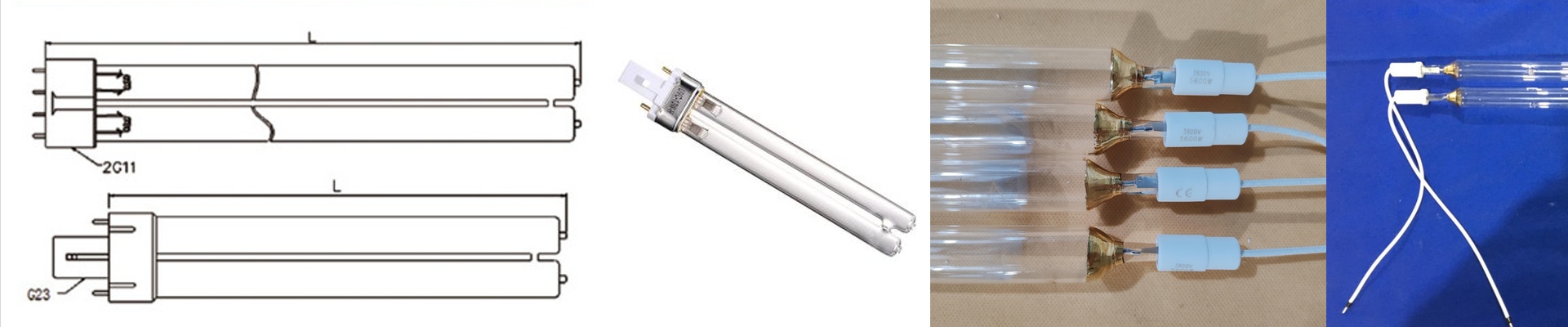
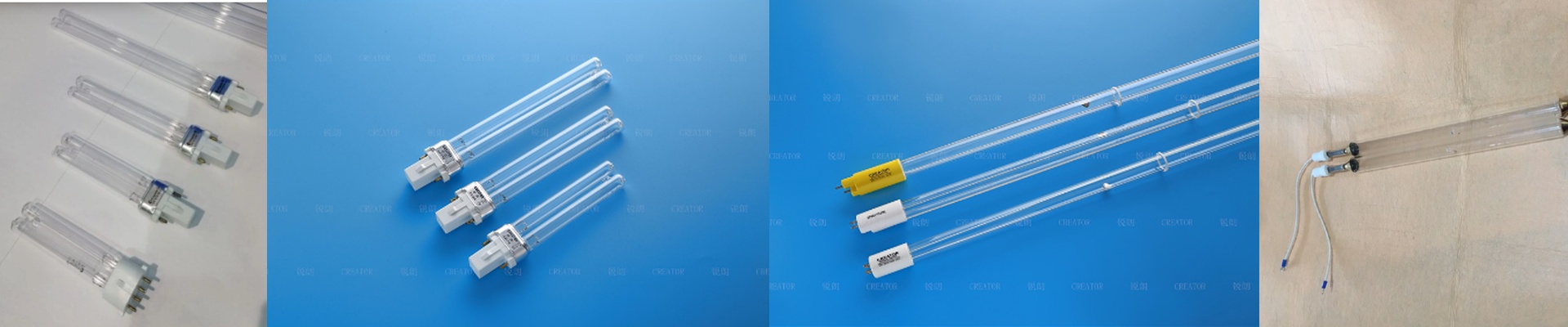
We spent 15 years messing around with chemistry and quartz housings. Why? Because we wanted our Gallium Iodide (GaI) lamps to actually hold their own against the big international brands. If you’ve ever run a PCB factory, you know the drill. The whole curing process lives or dies by how stable your UV spectrum is. When a lamp starts to drift or you get those annoying “dark spots,” you aren’t just losing light—you’re losing money. Inconsistent etching means wasted boards. It’s that simple. The science bit (without the textbook) Most mercury lamps just don’t have the punch needed for high-res masks. That’s where Gallium Iodide comes in. It pushes the light into that 254nm to 310nm sweet spot, which lets the UV punch through the photoresist layer much more effectively. But here is the tricky part: the arc has to stay centered. We spend a lot of time obsessing over the gas fill and electrode geometry because if that arc starts wandering, your exposure becomes a mess. You’ll get some spots that are over-baked and others that are barely touched. Heat and the “Clouding” Problem We use high-purity fused quartz for a reason. Cheap glass “solarizes”—it gets cloudy over time—which kills your UV output. Also, let’s be real: these things get hot. When you crank up the wattage to speed up your line, the heat density spikes. You’ve got to make sure your fans and heat sinks can actually handle the load. If the housing overheats, your electrodes will fry way faster than they should, and you’ll see your intensity tank long before the lamp is actually “dead.” Putting them to work We designed these as drop-in replacements. No one wants to spend a weekend rebuilding their exposure line. We kept the tolerances on the end-caps and pins incredibly tight. Why? Because a loose fit leads to electrical arcing at the socket, and that’s a headache you don’t need. As long as your ballast matches our voltage and current, it’s a quick swap. You plug them in, flip the switch, and get back to production. No modifications, no fuss.