
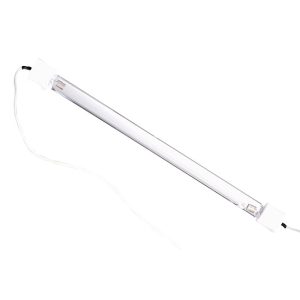
Let’s Talk About Mercury UV Bulbs
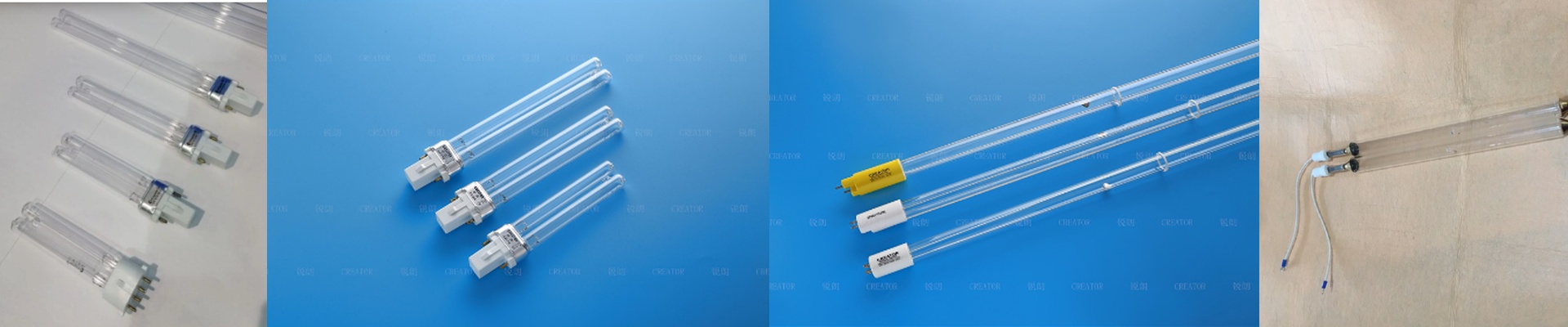
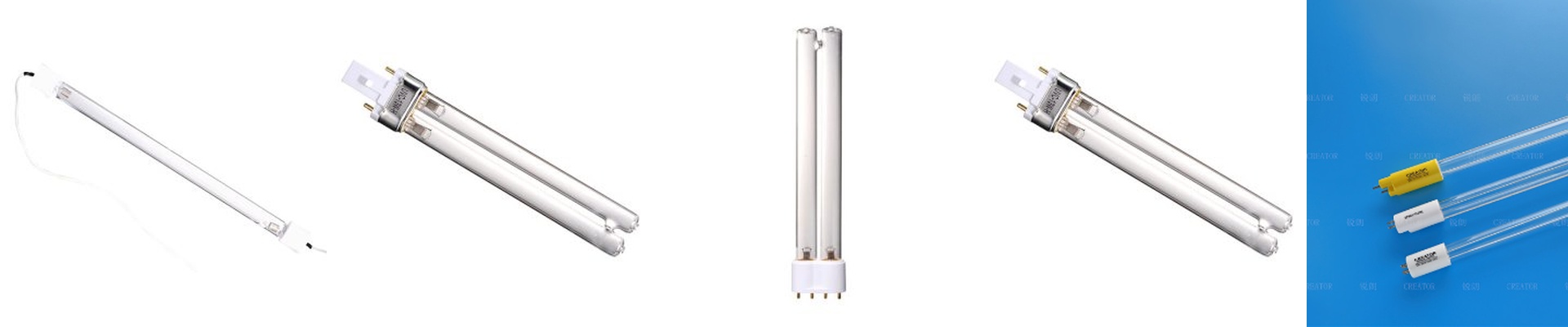
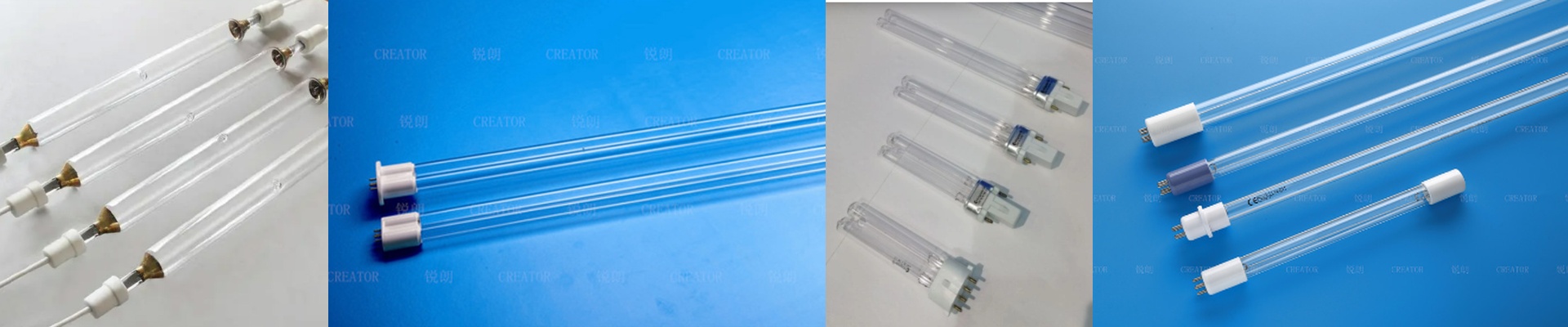
If you’ve spent any time on a production floor, you know mercury UV lamps. They’re the heavy lifters. We don’t just see them as light bulbs; they’re more like precision tools that blast energy into your inks and adhesives to make them set instantly.
How the Magic Happens
Under the hood, we’re dealing with a high-pressure mercury vapor arc. Basically, we ionize mercury gas to get a broad spectrum of UV light. You’ve got these primary peaks at 254nm, 313nm, and 365nm. Why does that matter? Because different wavelengths hit different depths. If you’re working with a thick layer of resin, you need that deep penetration. Otherwise, you’ll end up with “skinning”—where the top looks dry, but the bottom is still a gooey mess. Nobody wants that.
Getting the Specs Right
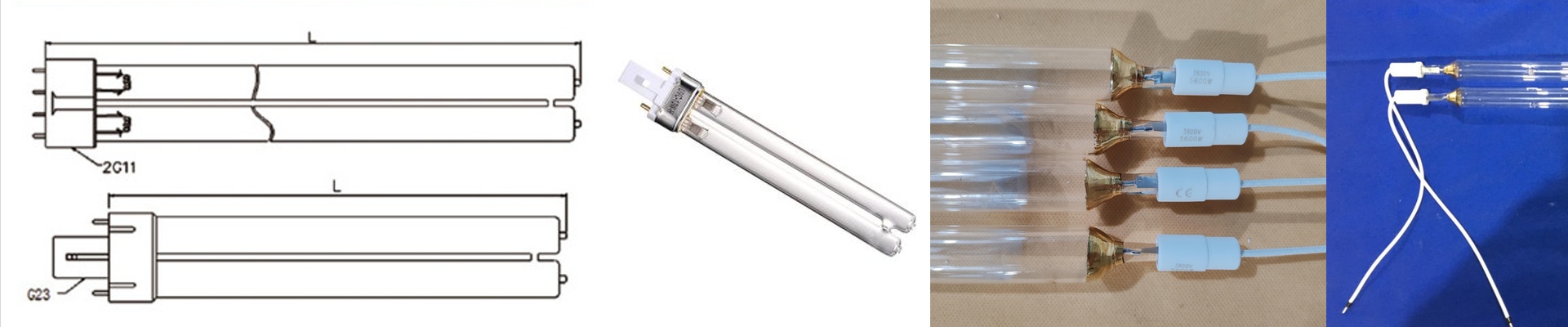
Here’s the thing: voltage and wattage dictate your irradiance. More wattage means more photons hitting your product, which means you can crank up the line speed. But there’s a catch. Pushing more power through a quartz envelope creates a ton of heat. If your cooling fans or water-jackets aren’t up to the task, you’re going to fry your electrodes way sooner than you should. It’s a balancing act.
Making it Work on Your Line
We design these to be simple drop-in replacements. No headaches. We use a specific type of quartz glass because it lets the UV light through easily and doesn’t crack when the temperature swings. We also obsess over electrode stability. If the bulb flickers, you get those annoying curing stripes on your finished product. And a pro tip?Alignment is everything. If the bulb is even slightly crooked in the reflector, you’re wasting a huge chunk of your energy on the housing instead of the product. Plus, keep an eye on the dust. A thin layer of grime on your reflector can kill your UV output by 20%. It takes two seconds to wipe down, but it makes a world of difference.