
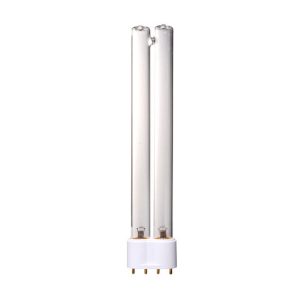
How We Actually Built Industrial-Grade UV Lamps
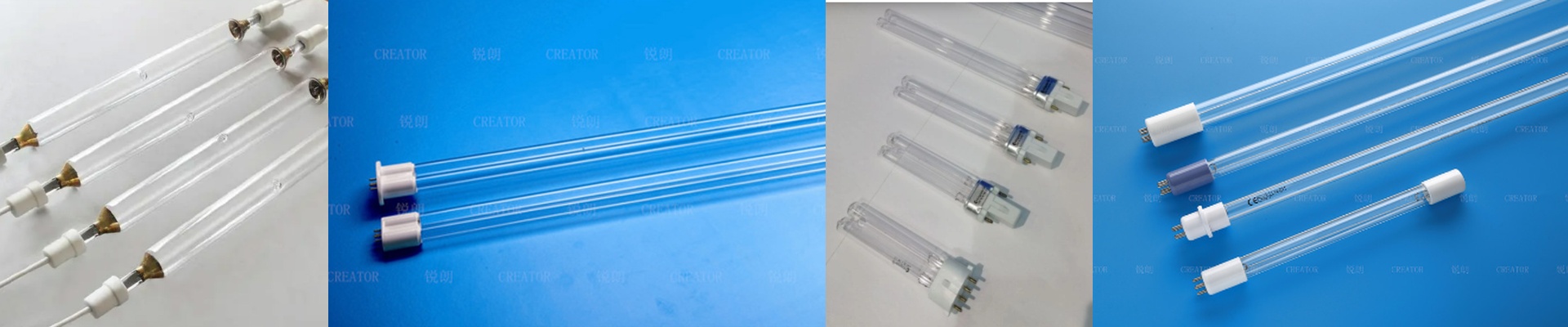
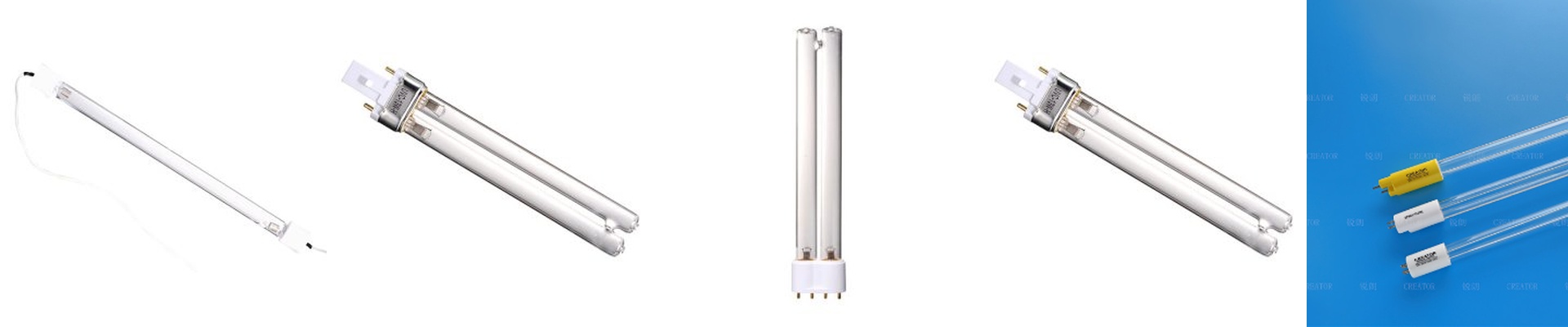
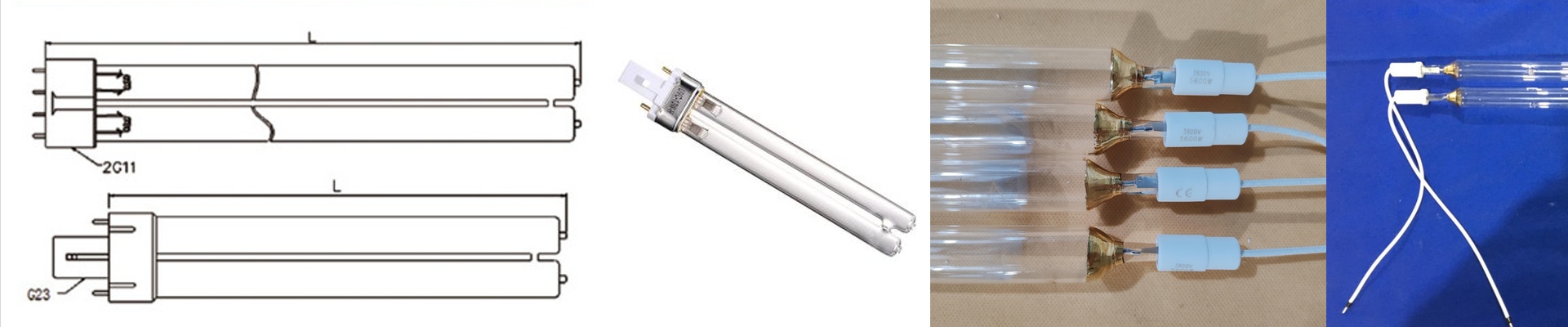
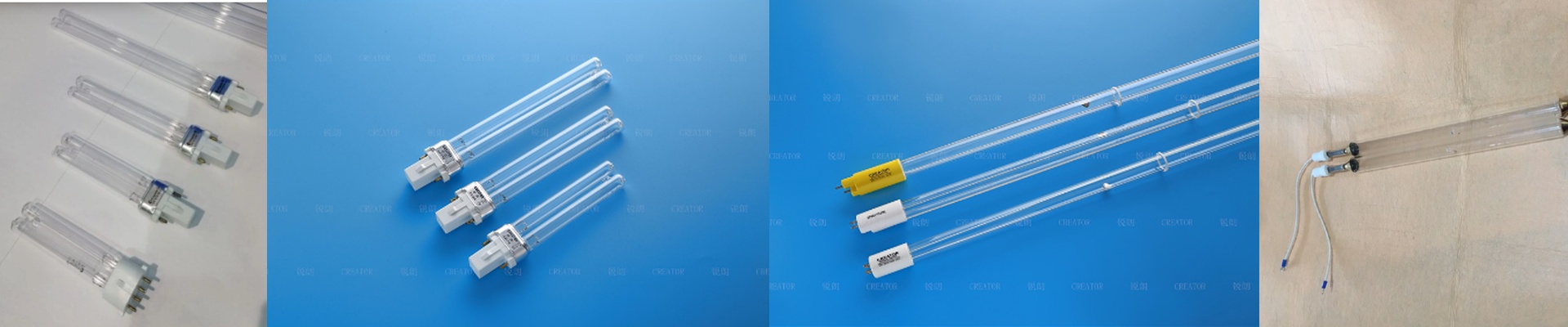
For 15 years, we were just the guys doing the subcontracting work for other people. But we wanted more. We spent over a decade figuring out how to design our own high-pressure mercury UV lamps. We weren’t trying to build some “luxury” version of a lightbulb. We just wanted a lamp that worked as hard and lasted as long as the big-name global brands. Plain and simple. The science part (without the textbook) Here is how it works: you’ve got an electric arc jumping through vaporized mercury. That creates the UV radiation—mostly UVC and UVB—that does the heavy lifting for your curing. But there’s a catch. The internal pressure has to be spot on. If it dips even a little, your peak wavelength shifts and your curing speed just falls off a cliff. To stop the glass from turning brown and blocking the light—what the engineers call “solarization”—we use high-purity fused quartz. It keeps the light clear and the process moving. Dealing with the heat When you cram that much power into a small space, things get hot. Really hot. You want high irradiance so your line can run fast, but that puts a massive strain on your cooling. If your reflectors are dusty or your blowers are too weak, your lamp is going to die early. We spent a lot of time tweaking the electrode chemistry to stop “sputter.” It keeps the ends of the tube clean, which means you aren’t replacing lamps nearly as often. Getting them into your line We made these as drop-in replacements. Whether you’re running a PET blowing line or a coating cure, the pins and dimensions are standard. You just plug them into your existing ballasts. No need to rip open your electrical panel or re-engineer your whole setup. Look, no lamp lasts forever. That’s just physics. But by obsessing over the quartz purity and the exact amount of mercury we put in, we’ve managed to hit that sweet spot where the lamps actually hold up in a high-volume plant.