
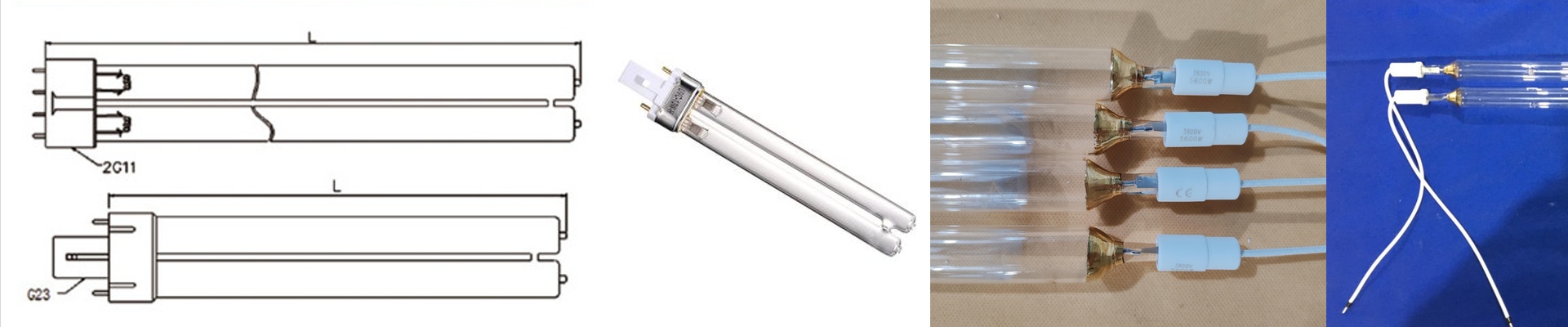
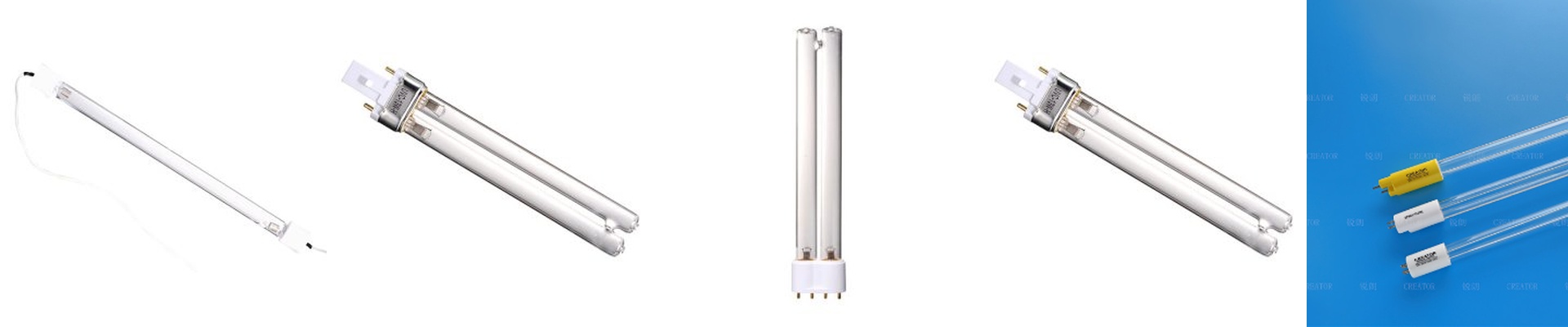
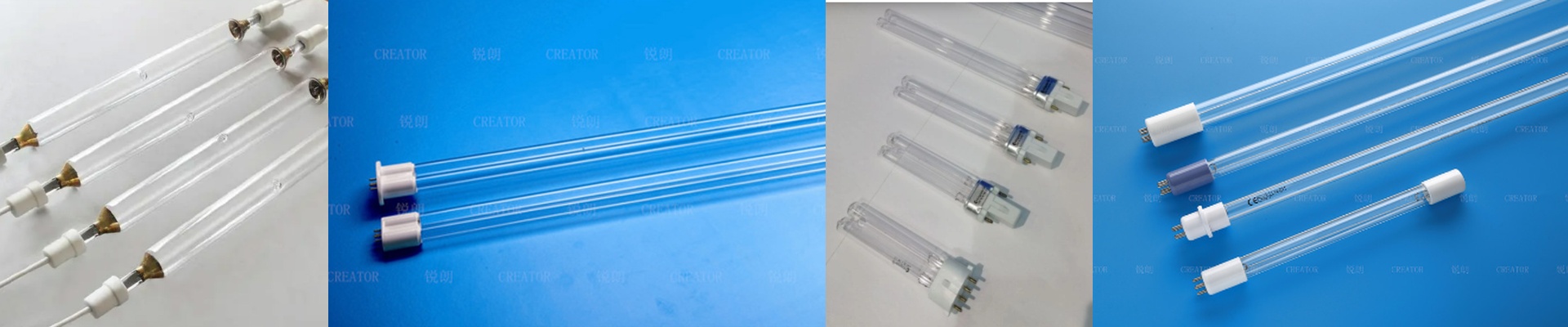
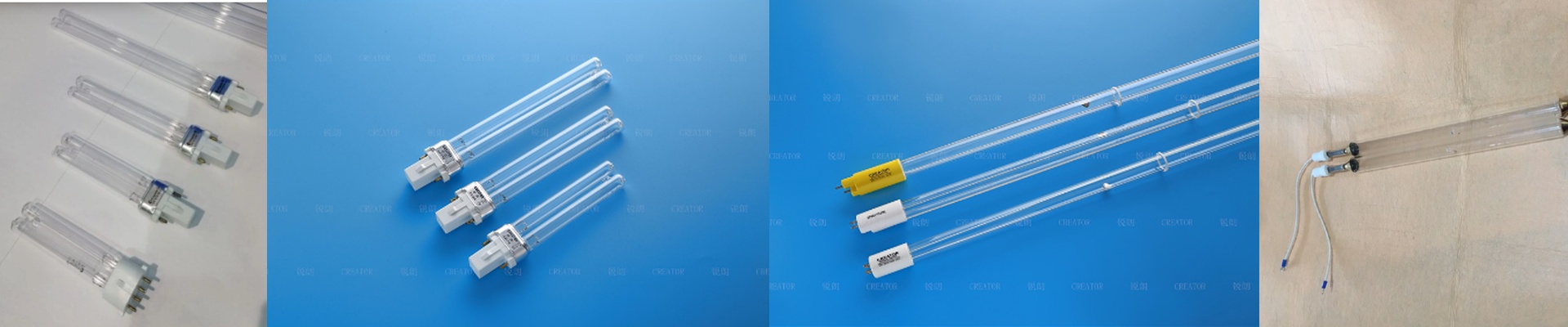
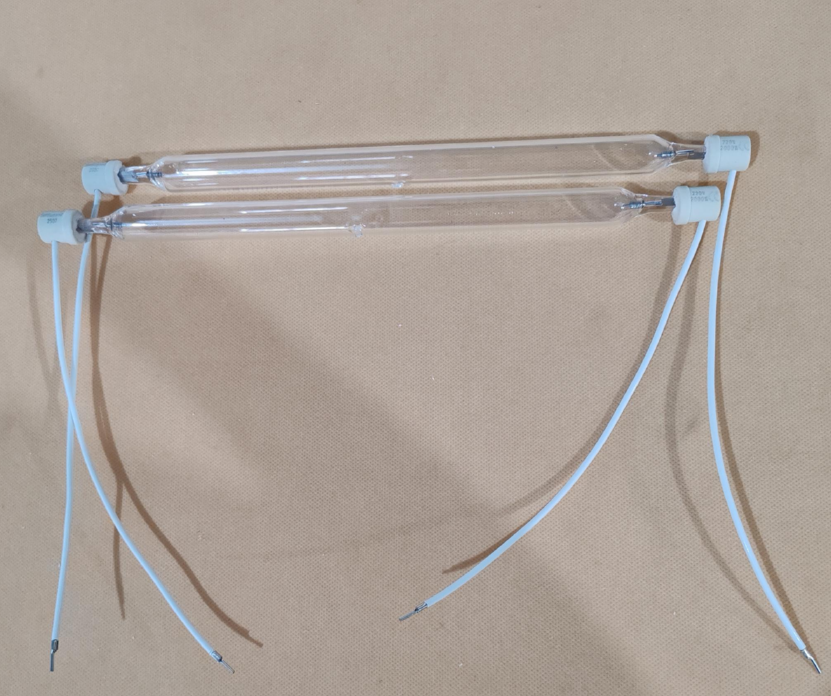
Getting the UV Peak Exactly Right
A lot of lamps call themselves “germicidal,” but if you’re running an industrial line, “close enough” doesn’t cut it. You need to hit that sweet spot at 253.7nm. That’s where the DNA of the germs actually breaks. If your wavelength drifts even a tiny bit, your sterilization efficiency just tanks.
From the Lab to Your Floor
We don’t play guessing games with the output. In the lab, we use spectrophotometers to map out exactly what’s happening inside every batch. It comes down to the materials. We’re obsessive about the purity of the mercury vapor and the quartz sleeves. Why? Because standard glass is basically a wall—it kills the UV-C before it even gets out of the tube. We use high-purity synthetic quartz so those photons actually reach your target.
Heat, Power, and the Balancing Act
Here’s the thing: when you cram high wattage into a small space, things get hot. Fast. To keep the ends from burning out under all that stress, we use thoriated tungsten for the electrodes. It keeps the arc stable. But a word of advice: don’t push these lamps to their absolute limit. Running them at max current is a great way to kill their lifespan. We usually suggest leaving about 10% overhead in your ballast spec so you aren’t overdriving the system.
The Real-World Stuff
When you’re actually wiring these into a production line, the little things matter. Like the pins. If the connectors are sloppy, they’ll wiggle loose the moment your machines start vibrating. We machine ours to tight tolerances to stop that from happening. If you’re swapping these into an old rig, take a second to check your sockets for wear. A loose connection leads to arc tracking, and that’ll fry your lamp base in a few weeks. We’ll give you the raw specs so you can make sure the impedance matches your current ballast perfectly. Simple as that.