
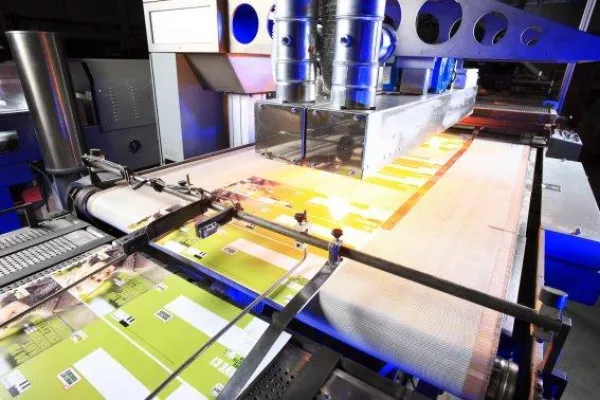
More Than Just Drying Ink: Getting UV Light Right
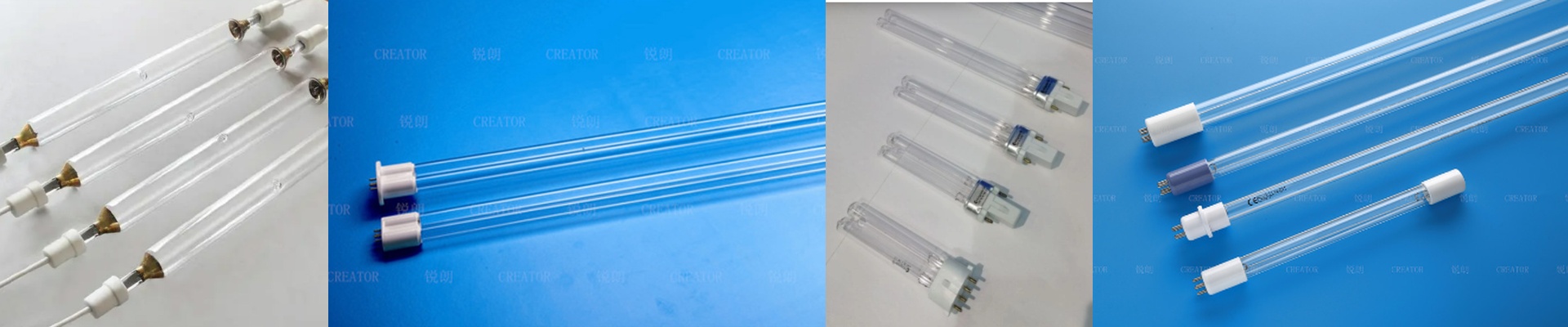
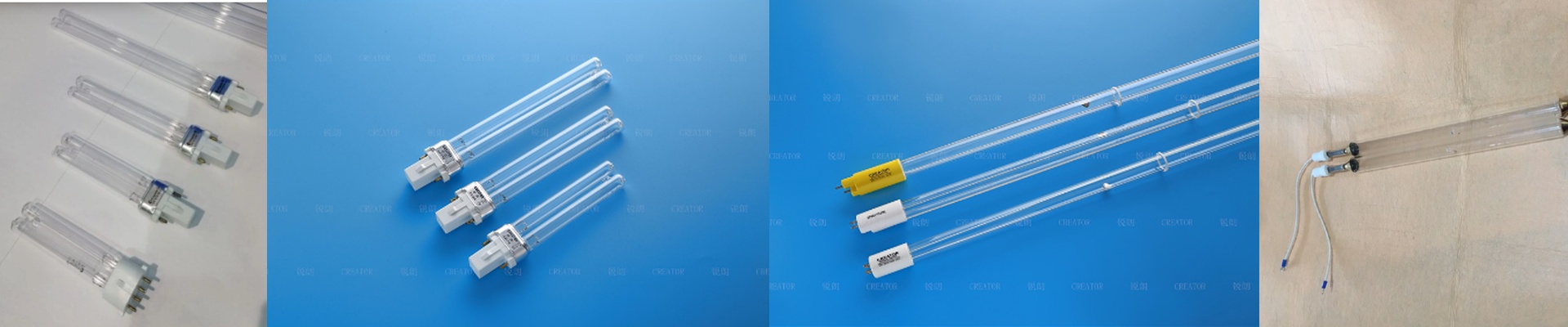
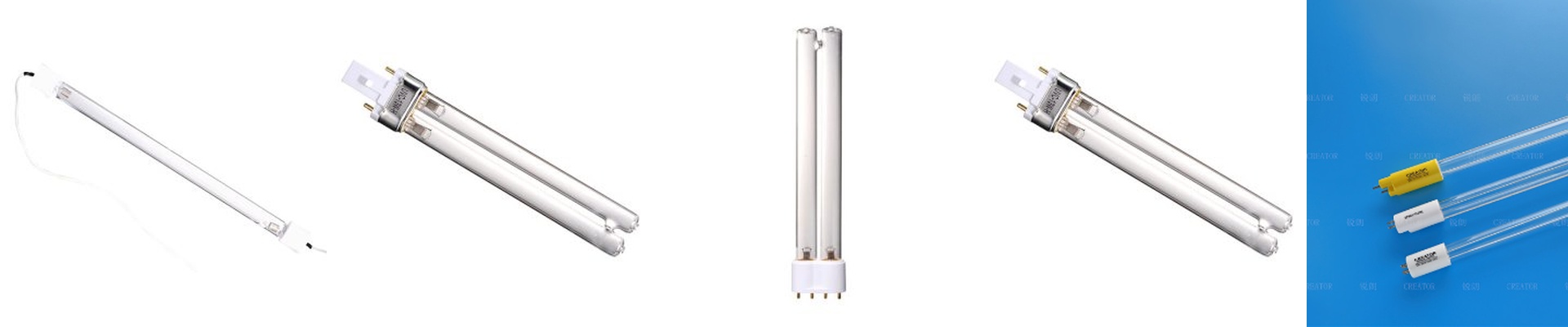
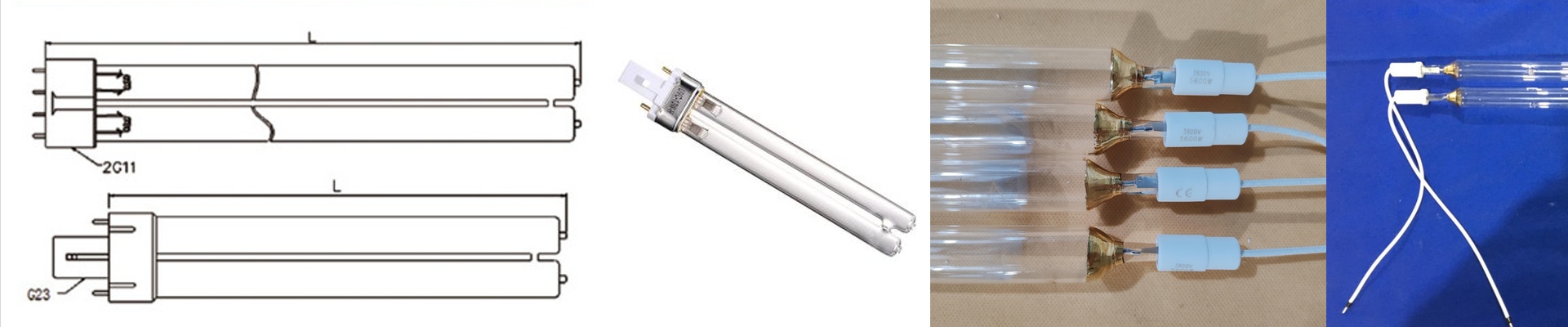
Let’s be honest: most people think UV lamps are just for drying ink. But if you’re actually on the floor running a high-speed line or a robotic arm, you know it’s a lot more precise than that. It’s all about hitting that sweet spot—the exact millijoule (mJ) threshold—so your polymers lock together perfectly without frying the material underneath. The tricky part is the wavelength. You’re usually aiming for a tight window between 254nm and 365nm. If your lamp starts to drift, things go south quickly. You either end up with a tacky, sticky surface because it’s under-cured, or a finish that’s so brittle it cracks the moment you touch it. That’s why we obsess over spectral stability. We make sure the light is consistent from one end of the tube to the other so you don’t find any annoying “dark spots” on your finished parts. Then there’s the heat. High-wattage systems pack a ton of energy into a tiny space, and a lot of that energy turns into infrared radiation. If your cooling blowers aren’t doing their job, you’ve got a problem. You’ll see PET plastics warping or resins degrading before they even have a chance to cure. It’s a mess. To avoid that kind of thermal runaway, you really need to pair your lamp wattage with a cooling manifold that can actually keep up. And nobody wants to spend their weekend rewiring a rack. We designed these for quick, drop-in replacements. You just swap the burnt-out tube and get back to work. We used standard connectors and exact dimensions because downtime is the enemy. Just keep an eye on your hour-meter. UV output drops as the bulb gets older. If you wait too long to swap them out, you’ll start seeing rejects pile up at the end of the line. Better to change the lamp a little early than to deal with a mountain of scrap.