
Getting Your Textile Curing Right (Without the Headache)
Let’s be honest: high-speed textile printing is a balancing act. You want the ink to lock into the fabric the second it hits, but you don’t want to fry your materials in the process. That’s why we built our UV curing systems to be modular. Basically, we give you the building blocks, and you decide how much power you actually need.
Scaling the Power
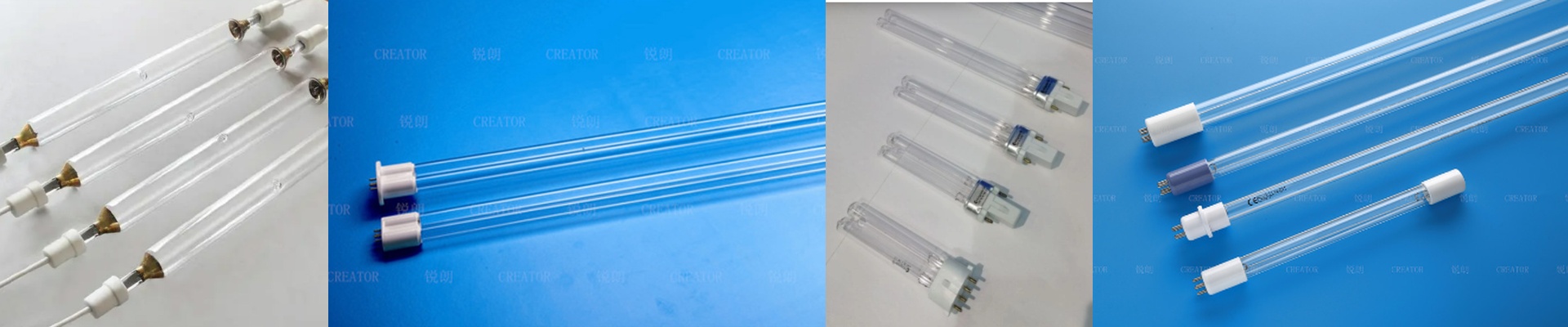
The heart of the system is the lamp array. Think of it like adding more burners to a stove. If you’re working with a thick ink or a fabric that drinks up liquid, you just add more UV modules to the bank. Need to speed up the line to hit a deadline? Just plug in a few more modules. It keeps the “dosage” consistent. This is huge because there’s nothing worse than finishing a massive run only to realize the ink is still tacky, leading to smudges and ruined fabric the moment it gets folded. Now, a word of caution: more power means more heat. If you’re running synthetic blends, you have to be careful. Crank the intensity too high in one spot, and you’ll scorch the fabric. It’s all about finding that sweet spot.
Keeping Things Cool
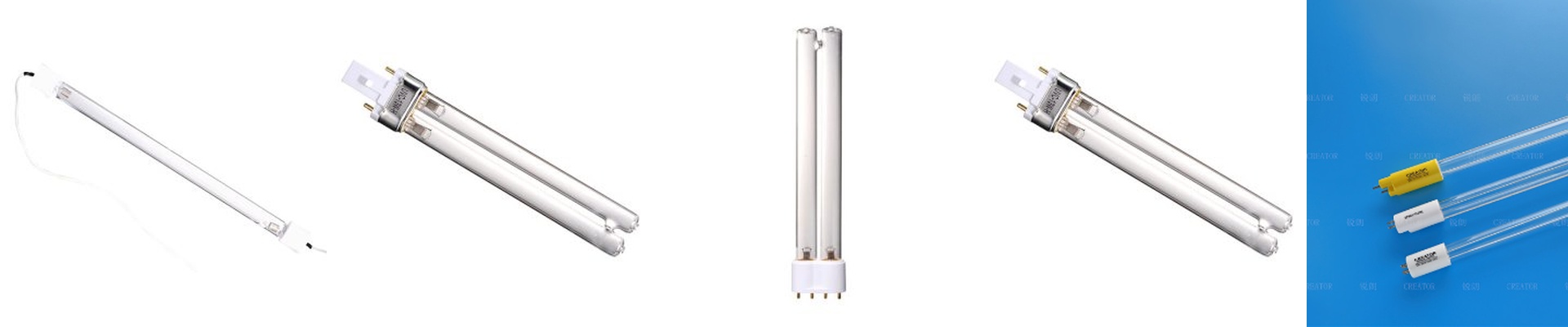
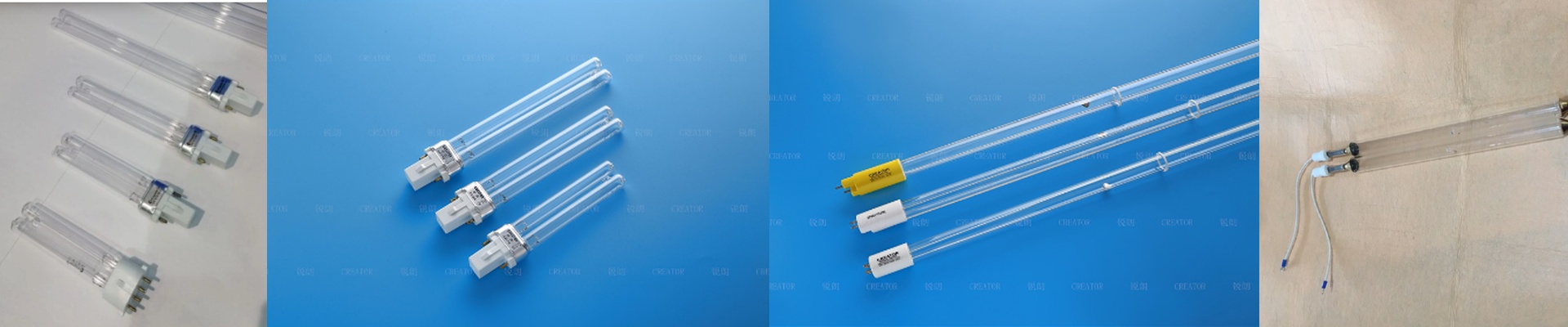
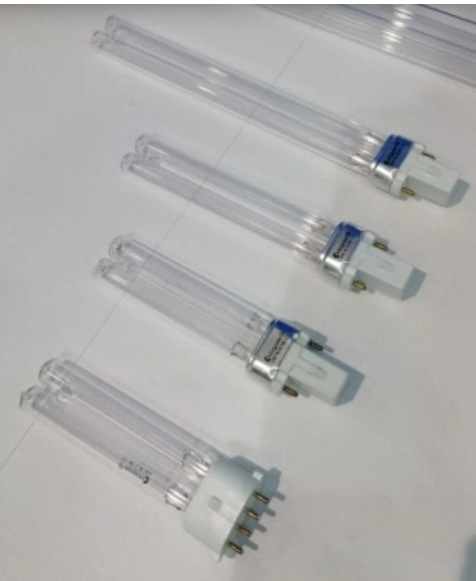
We use high-purity quartz glass for the lamps. Why? Because it lets the UV light through without breaking a sweat when the temperature swings wildly during a shift. But here’s the thing: UV lamps aren’t just about light; they put off a ton of infrared heat. If that heat has nowhere to go, it’ll eat your lamp life and might even warp your printing bed. To stop that, we built in cooling gaps to let the system breathe. Just do yourself a favor and check your exhaust fans every few months. It takes five minutes and saves you from a total meltdown.
Real-World Maintenance
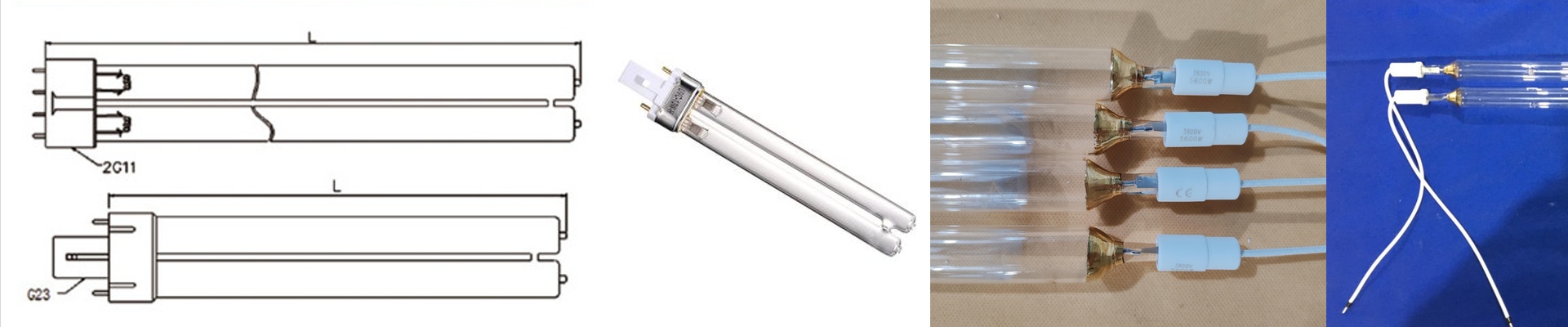
We didn’t want your floor techs spending hours with a wiring diagram every time a bulb pops. So, we used standardized connectors. If a tube burns out, you just swap it for a new one and get back to work. No rewiring, no drama, and way less downtime when you’re in the middle of a peak production run. Sure, these systems take up a bit more room on the floor than those compact LED arrays. But if you’re running a high-volume mill and need your colors and cure to be identical across a wide-format fabric, this is the way to go. It just works.