
Getting Your UV Curing Right
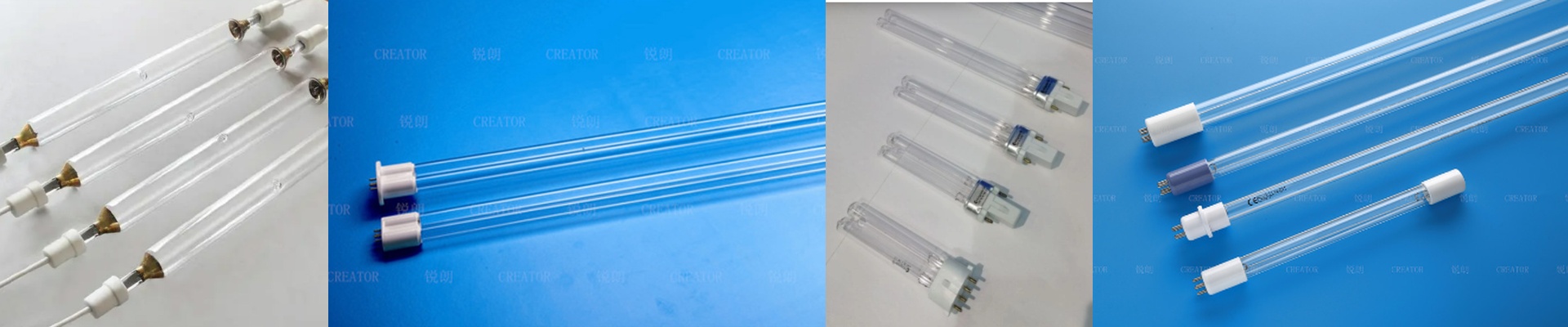
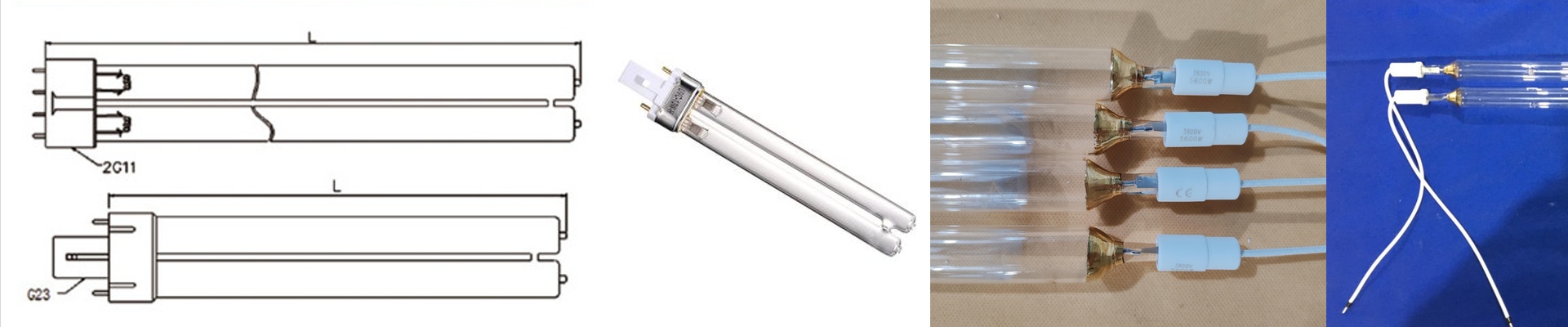
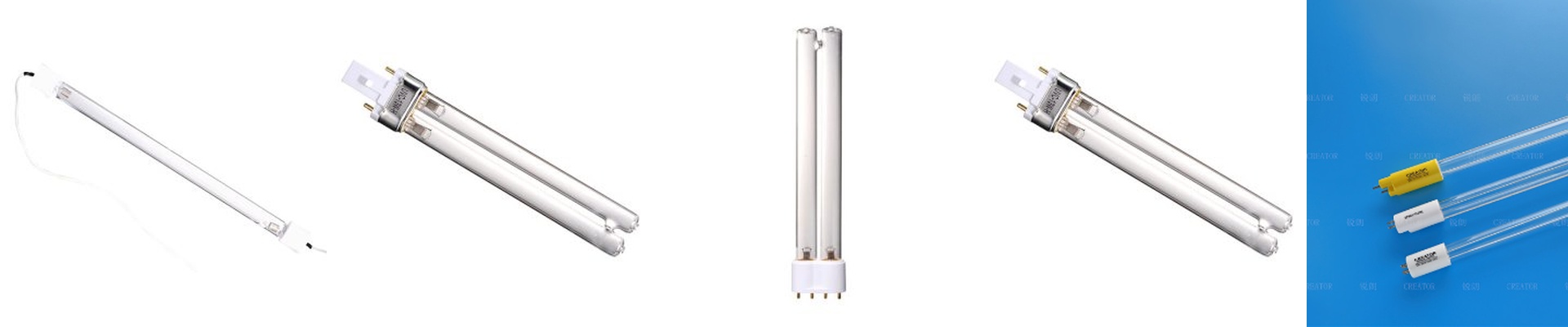
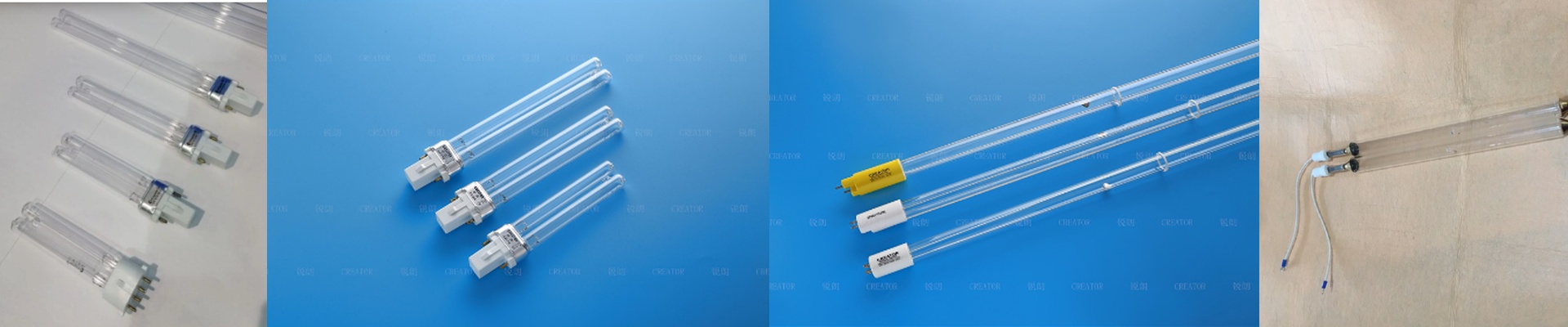
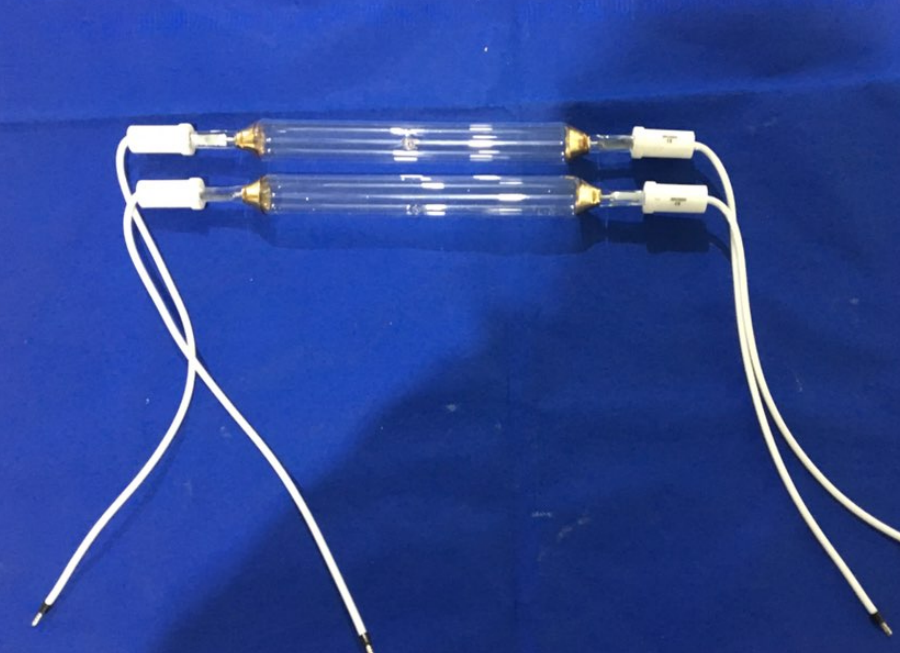
Let’s be honest: UV curing is more than just “drying” ink or glue. It’s a chemistry game. If the wavelengths aren’t exactly right, the whole process falls apart. That’s why we don’t do generic. We build custom UV lamps that fit into your automated lines, focusing on the timing and energy density that actually dictate how fast your cycle runs.
The trick to the right light
Most off-the-shelf lamps are wasteful. They pump out energy in wavelengths that your photo-initiators simply can’t use. It’s a waste of power. We handle this by tweaking the gas fill and phosphor coatings so the light peaks exactly where your resin reacts. Need a narrow-band output for a deep cure? We can adjust the tube diameter and pressure. It stops that annoying problem where the surface looks cured, but the bottom is still tacky to the touch.
Dealing with the heat
We make these systems so they just work—whether you’re swapping out an old part or building a new module. We use G10s or specialized ceramic bases because the connections have to handle high current without pitting. But here’s the catch: high-wattage UV arrays gethot. If you’re pushing 2kW per meter, your cooling blowers have to be up to the task. If the airflow is off, the quartz envelope stresses out and burns out way too soon. We spend time balancing that raw power against the actual heat your machine can handle.
Killing the bottleneck
In a modern setup, the curing station is usually where everything slows down. It’s the bottleneck. We fix that by cranking up the irradiance. By bringing the lamp closer to the substrate, we jam more energy into the material every second. The result? You can speed up your conveyor belt. You get faster line rates, but your polymer still gets that rock-solid cross-link density. We provide the muscle; you just tune the belt speed until it feels right.