
Stop Throwing Away Your UV Curing Systems
For too long, UV curing lamps have been treated like batteries—you use them up, they break, and you toss the whole thing in the bin. It’s wasteful, it’s expensive, and frankly, it’s a mess for the planet. We decided to stop that cycle. Instead of making another “disposable” tool, we’re building industrial assets that actually last. The goal is simple: zero pollution. No toxins, no endless scrap metal, just a system that works.
Smart Power, Less Heat
Here’s the thing about most conveyor lines: they’re often overpowered. You end up blasting your entire product with more UV than it actually needs. We fixed this by going modular. Now, you can pick and choose exactly how much intensity you need for specific spots on your line. You target the zones that actually need the cure, and you leave the rest alone. But a word of caution—high-output lamps gethot. Really hot. If you’re cranking the wattage, that heat has to go somewhere. If your fans and ventilation aren’t sized right, you’re just baking your equipment, which leads to burnout. Keep it cool, and the system stays happy.
Built to Last (And Easy to Fix)
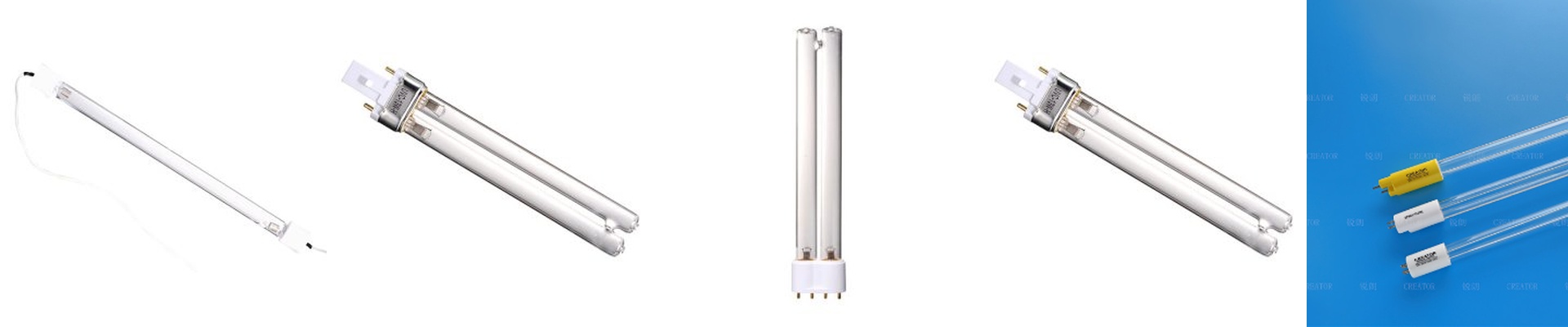
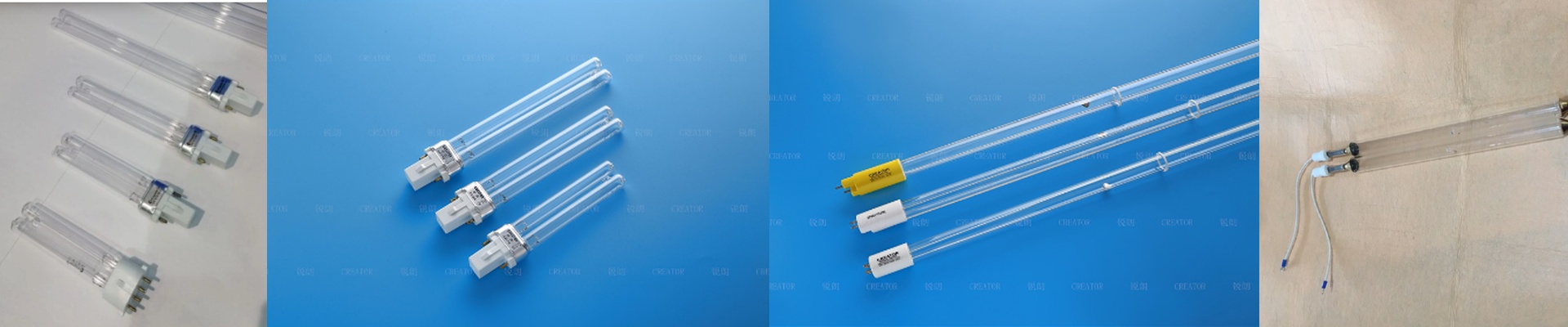
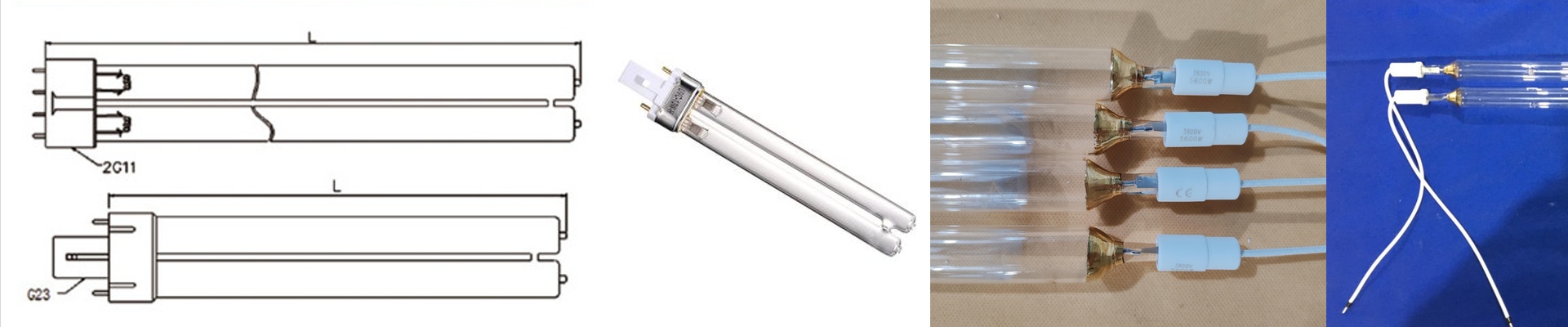
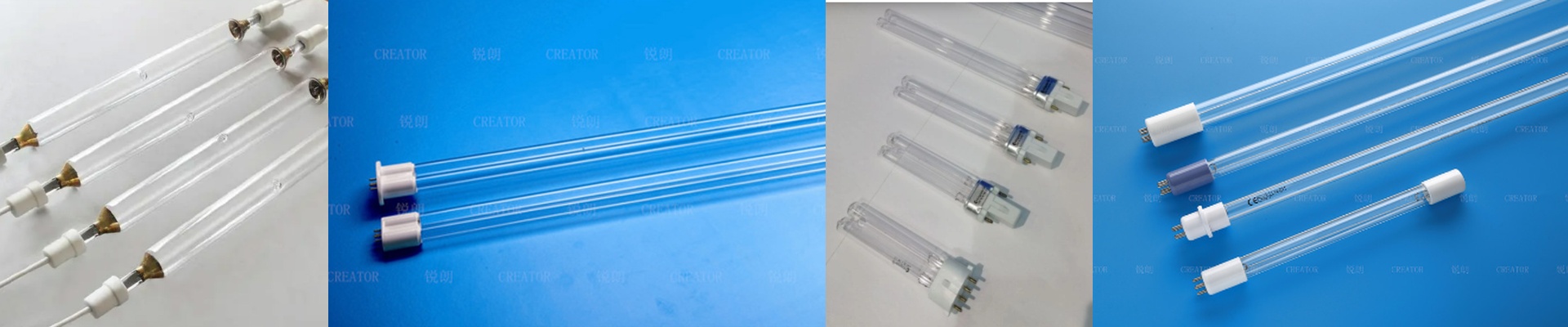
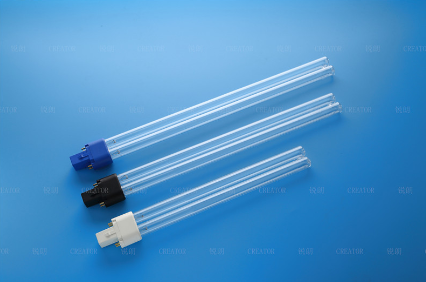
We took a hard look at the materials. Out went the hazardous stuff that off-gasses or leaks chemicals, and in came eco-friendly quartz and stabilized electrodes. These aren’t just “green” choices; they’re tougher. They hold their strength over thousands of hours without degrading. And when a lamp finally does hit its limit? You don’t rip out the whole power supply or the housing. You just swap the tube. It’s a quick fix that keeps piles of electronic waste out of the landfill.
Bringing it to the Shop Floor
If you’ve already got a production line running, you don’t need to tear it all down. These systems are designed to drop right in. We used standard connectors, so wiring it up is fast and painless. You get all the heavy-lifting power of polymerization, but without the nasty baggage of old mercury-based systems. Now, I’ll be honest: the initial cost for a modular chassis is a bit higher. But look at the long game. When you stop replacing the entire system every few years, the cost per part actually drops. It’s just a smarter way to run a shop.