
Stop Thinking of UV Curing as Just “Drying”
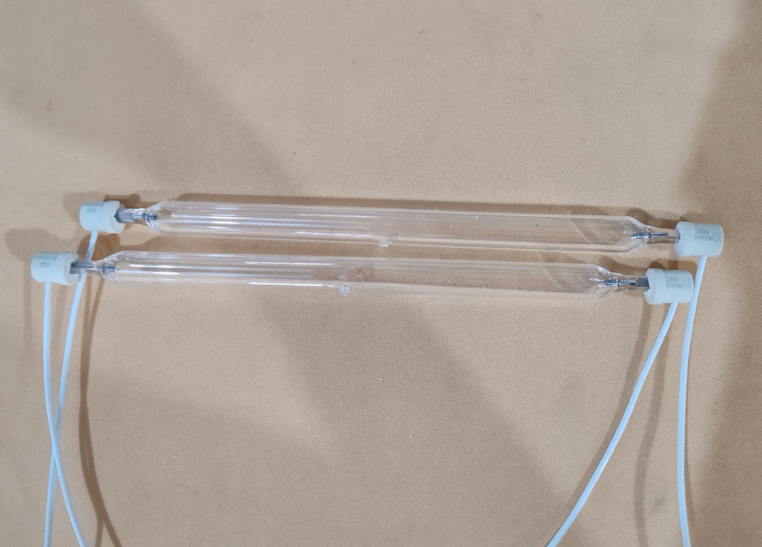
Let’s be honest: the days of just slapping a standalone curing station at the end of a line are over. If you’re running a modern shop, you need your light energy to be as precise as your CNC axes. That’s why we stopped building rigid boxes and started building modular systems. We’re not just “drying” things anymore; we’re delivering a very specific dose of photochemical energy. Right-sizing your power Nobody likes wasting energy. Most fixed-output lamps are oversized, which means you’re paying for power you aren’t even using. With a modular setup, you just add or remove lamp modules until the irradiance matches your line speed and substrate width perfectly. It’s a lean way to work. Plus, we use a bus-based power architecture. In plain English? You can hook up several modules to one controller. It cleans up the cable mess on your floor and makes the electrical side of things way simpler. Keeping things cool Here is the tricky part: high-intensity UV creates a lot of heat. If your cooling isn’t up to the task, you’re going to end up with warped parts or burnt-out lamps. Not a great look. We handle this by using specific quartz envelopes and reflectors. They’re designed to push the UV light onto the product while kicking the infrared heat away. You get the cure you need without cooking your materials. Dealing with the “Uh-oh” moments We’ve all been there. A single tube fails in a fixed system and suddenly your entire line is dead. It’s a nightmare. Our approach makes the lamp head a simple drop-in replacement. You swap the module in a few minutes and get back to work. No need to spend hours recalibrating the whole line. One heads-up, though. This kind of flexibility needs a steady power grid. Voltage spikes can fry the modular drivers, so if you’re running anything over 5kW, definitely get some dedicated surge protection. It’s a small trade-off for a system that can grow and change right along with your business.