
Let’s talk about Modular UV Curing in Textiles
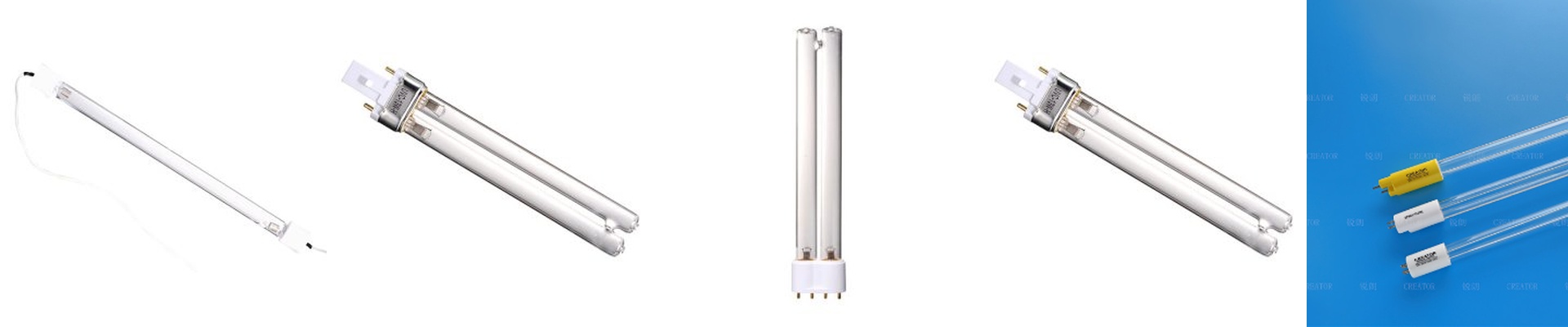
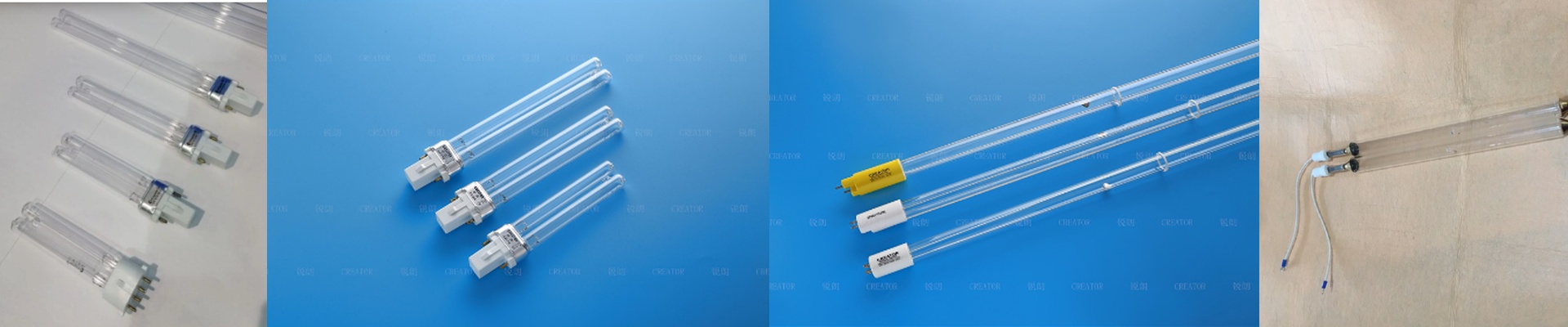
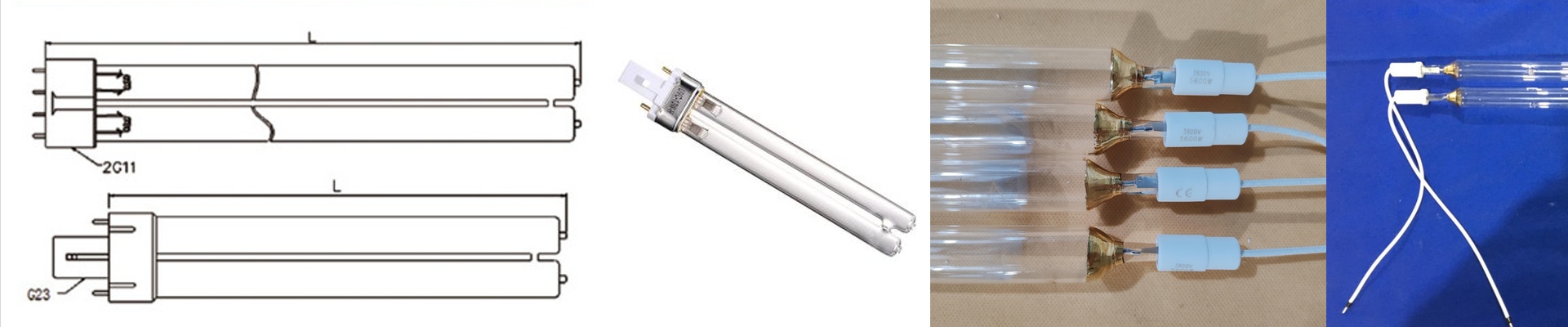
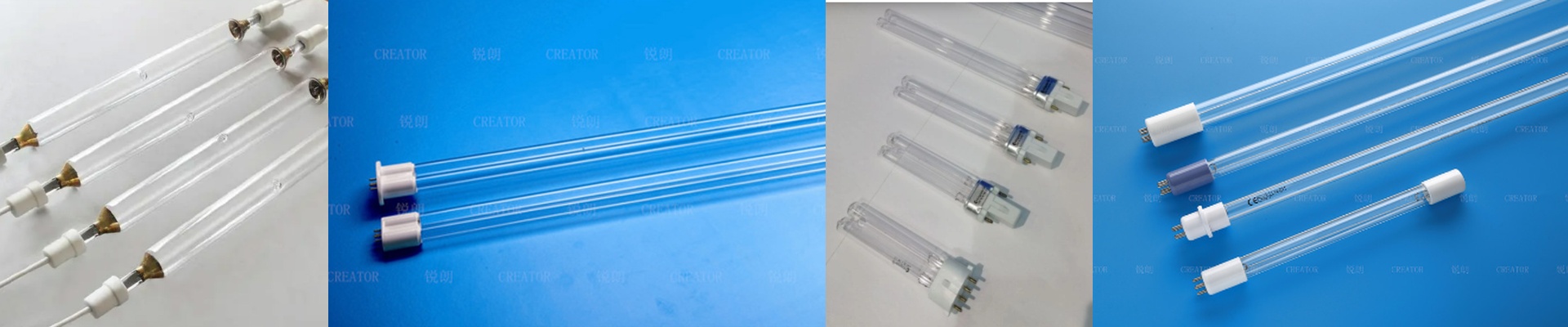
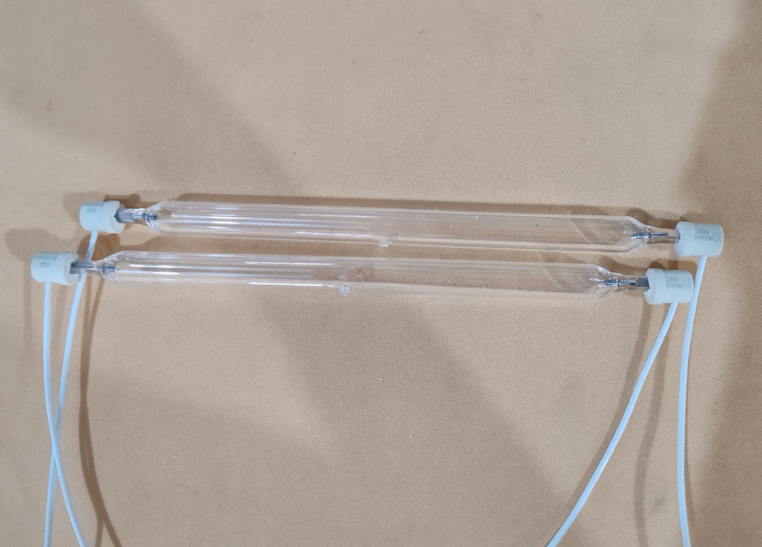
If you’re still relying on wet-chemical drying, you know the drill. It’s slow, it’s messy, and it takes up way too much space. Moving to UV curing changes that. Instead of waiting for things to dry, you’re using light to snap everything into place instantly. We’ve built our lamps to be modular because we know no two production lines are the same. Whether you’re prepping raw fabric or putting the finishing touches on a garment, the gear just fits. Scaling without the headache Here is how we handle the power side of things: we keep it flexible. If you decide to crank up your conveyor speed, you don’t have to buy a whole new system. You just add more lamp modules to the array. It’s that simple. High-wattage lamps give you that intense hit of energy needed to cure inks and coatings in a fraction of a second. Why does that matter? Because there is nothing worse than a “tacky” finish or ink that bleeds because it didn’t set fast enough. Adding more modules stops that from happening. Getting the wavelength right Different fabrics and coatings need different kinds of light. Some jobs need shortwave UV to get deep into thick coatings. Others need longer wavelengths to soak into the fibers. We use quartz glass envelopes to make sure the UV actually gets through to the fabric. One quick tip:keep those tubes clean. It sounds obvious, but fabric lint and dust love to settle on the glass. When that happens, your output drops and you get “hot spots” that can actually scorch your material. A quick wipe saves a lot of wasted fabric. Dealing with the heat Putting these into your existing line is easy, but we have to be honest about the heat. High-intensity UV lamps throw off a lot of IR radiation. If you’re working with heat-sensitive fabrics, you can’t just let them bake. You’ll need a chilled roller or some high-velocity air cooling to pull that heat away. Otherwise, you’re looking at shrunken fabric or a weird yellow tint. Not a great look. We build these things to run 24/7. And since tubes eventually burn out, we made them “drop-in” replacements. You can swap a lamp out without tearing down the whole rig, which means the line keeps moving while you fix the problem.